

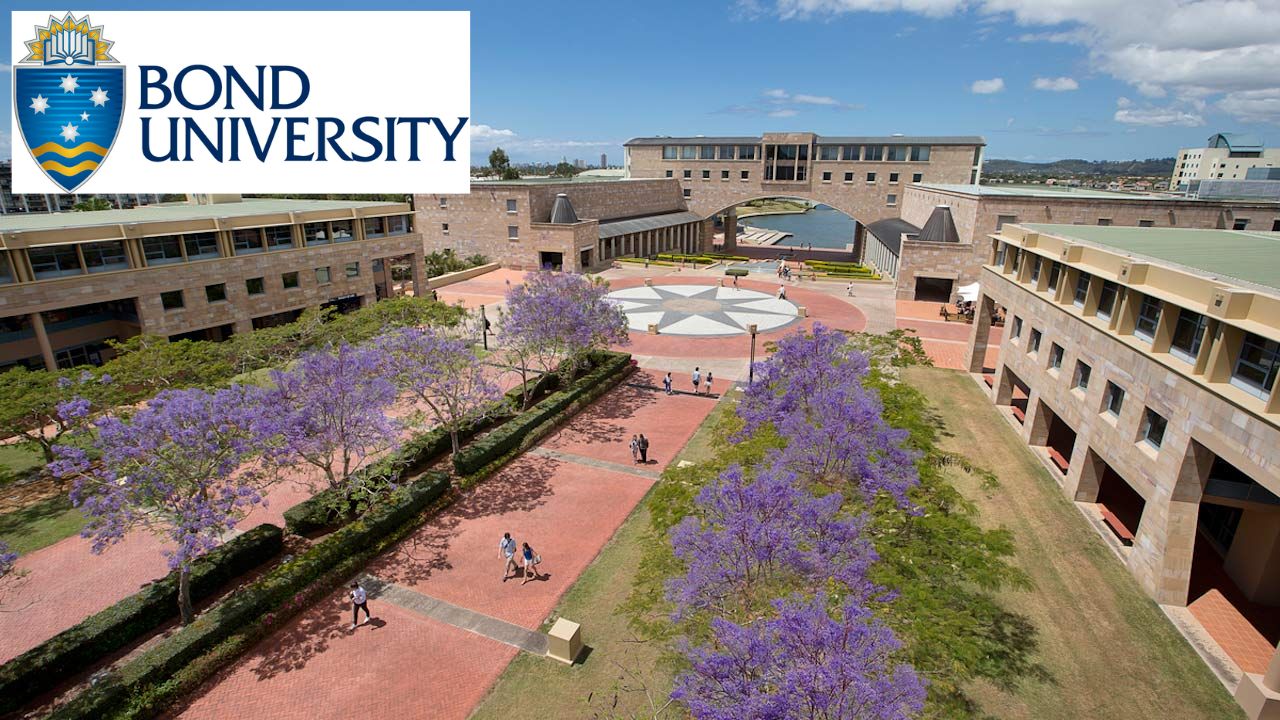
Bond University is recruiting a Development Officer for its Gold Coast campus, with applications accepted through the university's jobs portal under reference 10969. The advertisement is precise about one thing: this is a position built around the machinery of university fundraising rather than its public stage. Donor records, gift processing, appeal logistics, stewardship reports and event administration sit at the centre of the work. The person hired will spend more time inside a contact database than in a donor's living room.
That distinction matters. At a large public university, a development officer may be one cog in a sizable advancement team. At Bond, a private, not-for-profit institution founded in 1987 and running three semesters a year, the same role has shorter lines of accountability and broader daily reach. Philanthropy is not a supplement to the operating budget. It is part of how the university funds scholarships, buildings, research and the donor relationships that sustain all three.
Inside a University Advancement Office
A development officer at an Australian university occupies the space between fundraising strategy and its administrative execution. The role generally includes donor database management, gift acknowledgement, event support, appeal preparation and impact reporting. It does not usually carry a major gift portfolio, although a strong officer will feed prospects into one. Senior gift officers and academic leaders still make the largest asks. The development officer makes the system reliable enough for those asks to land with the right history attached.
The work follows a donor lifecycle. First, prospect research identifies who has capacity and an existing link to the university. Second, cultivation gives that person reasons to stay close: a campus event, a student story, a report on an earlier gift. Third, solicitation turns interest into a commitment. Fourth, stewardship demonstrates what the gift did and keeps the door open for more. In a small office such as Bond's, the development officer is most active in the first and fourth stages, which are also the stages most likely to be neglected when leaders chase new money.
Data is the unglamorous centre of this job. When a dean meets a returning donor, the strength of that conversation often depends on a record the development officer has touched: which appeal the donor last supported, whether the thank-you was sent, what campus program the donor cares about. A clean database can make a routine meeting feel personal. A dirty one can end a relationship that took years to build.
Bond's physical campus sharpens the work. The university sits on a single Gold Coast site at Robina, where a prospective donor can meet a professor, a scholarship student and an advancement staff member in one afternoon. That proximity is hard to reproduce at a multi-campus public university. It also raises the cost of administrative failure, because there is nowhere to hide a mismatch in the calendar or a donor record that was not updated.
Why the University Is Recruiting Now
University advancement in Australia has been professionalising for more than a decade. Part of that shift is about certification and shared standards. Fundraising Institute Australia runs training and professional pathways for exactly this kind of role, and Philanthropy Australia follows the giving environment that university teams work inside. A recruitment round is not an isolated event; it is Bond adding to a field that increasingly expects formal competencies rather than goodwill.
Bond's own campus offers an example of what the development function is for. The Abedian School of Architecture exists through the support of the Abedian family, a philanthropic commitment that named and shaped a school. Such gifts are not one-off transactions. They require prospect research before the approach, careful stewardship after the commitment, and years of correspondence in between. A single development officer cannot land that kind of gift, but the pipeline does not move unless someone keeps the records, sends the reports and manages the relationships behind the scenes.
The university's three-semester calendar adds another layer. Scholarship rounds come around more frequently than at a two-semester institution, donor events must fit a tighter academic timetable, and annual appeals have less room for delay. The officer will feel multiple faculty deadlines converging. That compression is not a flaw in the role; it is part of what working at Bond means.
What the Job Actually Demands
Applicants sometimes confuse a development officer title with a fundraising role built on personal charm. The reality is more operational. The strongest candidates tend to arrive from two places. Some are already working in nonprofit or school fundraising and know a donor database well. Others are university staff moving across from student recruitment or alumni relations, bringing campus knowledge and learning the discipline of gift administration.
The technical skills are concrete. A customer relationship management system, often Raiser's Edge or a similar platform, is the primary tool. The officer prepares mail and email files, records gifts, runs queries for event invitations and builds reports for academic leaders. Written communication is equally central, because stewardship letters and impact reports carry the institution's voice. A stewardship letter with a donor's name misspelled is not a small error. It is evidence that the university does not pay attention to the people funding its priorities.
Development officers also handle personal data governed by Australian privacy law. Donor consent for communications, stored gift histories and sensitive bequest intentions all sit inside the same database. The university's obligations under the Privacy Act 1988 are not a side note. They shape what the officer can record, how appeals can be run and what can be shared with faculties. A candidate who understands data protection as a practical constraint, not an administrative nuisance, has an immediate advantage.
There is also a temperamental requirement. University fundraising involves long feedback loops. An appeal can fail for reasons invisible to the officer who prepared it; a donor can go quiet for a year and then return with a bequest intention. The people who last in these roles are comfortable with that uncertainty and keep preparing the next cycle anyway. That patience is hard to test in an interview and easy to see in a CV that shows several years in one institution rather than six months in several.
Applying and What to Watch
The official position description is available on the Bond University careers page. The same opening is tracked on the AcademicJobs university jobs board, which is useful for candidates comparing similar roles across the sector. Applications should lead with systems competence and evidence of managing donor or stakeholder relationships, rather than generic claims about passion for education.
A shortlist for a role like this usually involves an interview and a practical component, such as drafting a donor letter or running a data exercise. Candidates who can demonstrate clean data handling and donor-ready written communication in the same sitting tend to rise quickly. A cover letter that names a particular Bond scholarship, building or donor-funded program will do more than a general expression of interest, because it shows the candidate has already started doing the work of understanding the institution.
The harder measure of success will arrive in year two. The database will be cleaner, the event calendar will be running, and the university will want to know whether the pipeline produces more and better gifts. Bond is hiring for competence now, but it is really hiring for the patience to see a long fundraising cycle through.



.jpg)


.jpg)



Discussion
Be the first to comment on this article!
You’ll be asked to sign in before your comment is posted.