
Exploring Advanced Research Opportunities in Australian Legal Scholarship
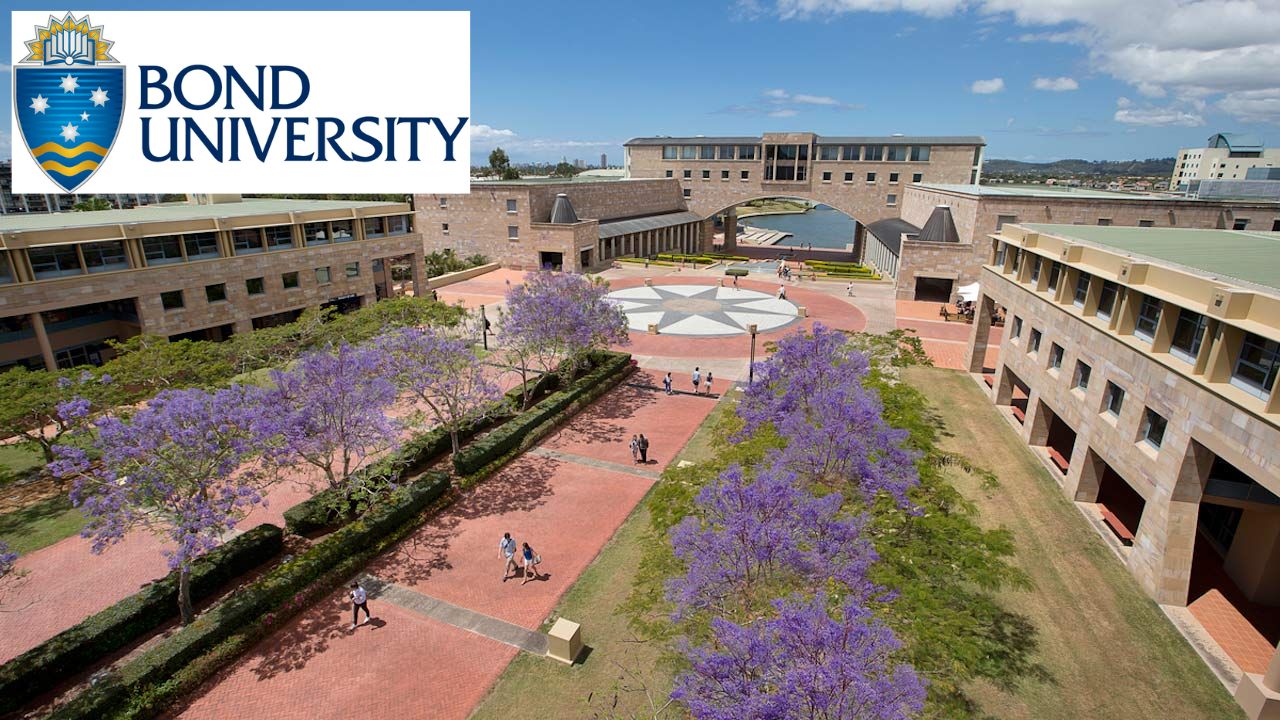
Bond University on the Gold Coast is extending an invitation to qualified law graduates through a targeted call for expressions of interest in its Doctor of Philosophy program. This initiative, hosted by the Faculty of Law, focuses on pressing contemporary issues at the intersection of international trade, resource policy, and national economic resilience. Prospective candidates have the chance to contribute original research under expert supervision while benefiting from the university's supportive research environment.
Background on Bond University Faculty of Law
Bond University stands out among Australian institutions for its emphasis on professional legal education combined with high-impact research. The Faculty of Law maintains a strong reputation for delivering rigorous programs that prepare graduates for diverse careers in practice, policy, and academia. Its research strengths span commercial law, international law, and emerging areas such as technology regulation and global economic governance. Students benefit from small cohort sizes, personalized mentorship, and access to extensive resources including a globally connected law library.
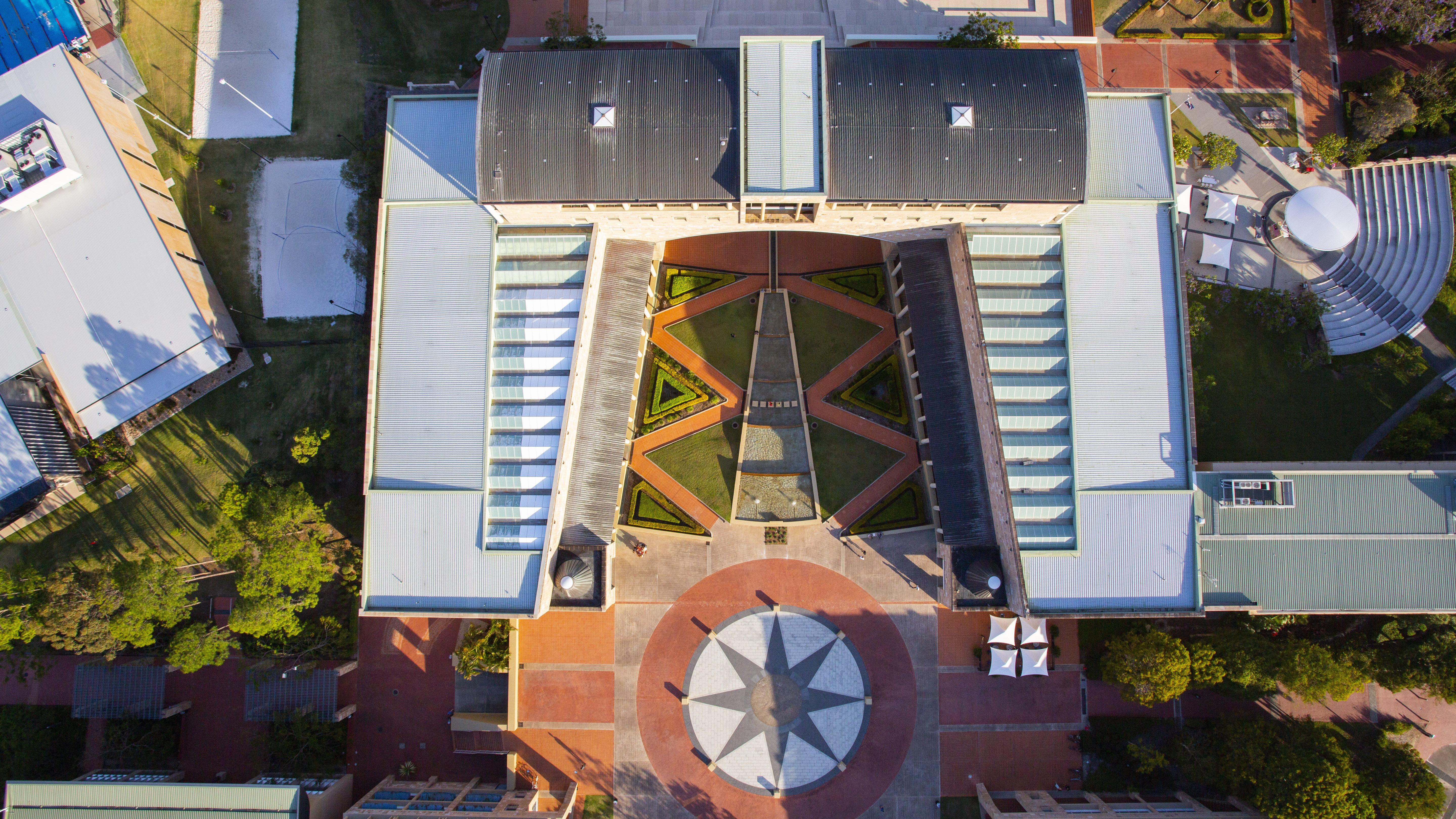
The university's location on the Gold Coast provides an ideal setting for focused doctoral work, with modern facilities and proximity to industry and government networks. Research students are encouraged to engage with real-world challenges, fostering connections that extend beyond the campus.
Details of the Current Expressions of Interest Call
The Faculty of Law is specifically seeking expressions of interest for PhD candidates to explore two interconnected research themes: critical minerals trade in the Australian context and Australia’s trade and economic security amid shifting global dynamics. Successful applicants will work under the guidance of Associate Professor Umair Ghori and Associate Professor Matthew Lister, both recognized experts in their fields.
Candidates are encouraged to propose their own projects within these broad areas, allowing flexibility for innovative approaches. The opportunity is open to domestic and international graduates who meet entry requirements, with a strong preference for those demonstrating substantial prior research experience through honours or masters theses.
Understanding Critical Minerals Trade and Its Global Significance
Critical minerals, including lithium, rare earth elements, cobalt, and nickel, form the backbone of modern technologies from electric vehicles and renewable energy systems to defense applications and electronics. Australia possesses significant reserves of these resources and has positioned itself as a key player in global supply chains. Research in this area examines how regulatory frameworks can balance trade openness with domestic value-adding and security objectives.
Key questions include strategies for promoting local processing without violating international commitments, the role of export controls and strategic partnerships, and the integration of environmental, social, and governance standards alongside First Nations engagement. Comparable jurisdictions offer valuable lessons for policy design in this rapidly evolving sector.
Australia’s Trade and Economic Security in a Changing World Order
Global trade dynamics have grown increasingly complex, influenced by protectionist measures and geopolitical tensions. The second research stream invites exploration of how “America First” style policies affect Australian interests, including implications for tariffs, industrial strategies, and supply chain vulnerabilities. Scholars can investigate the adequacy of existing tools such as diversification efforts, investment screening, and economic security frameworks.
This theme also considers reforms needed to address trade coercion, disruptions, and strategic vulnerabilities while maintaining alliances and pursuing multilateral engagement. The work has direct relevance to policymakers and industry stakeholders navigating these challenges.

Benefits and Support Available to Successful PhD Candidates
Selected students receive comprehensive support tailored to higher degree research. Eligible Australian and New Zealand citizens, along with permanent residents, can access tuition fee waivers through the Australian Government’s Research Training Program. International students may qualify for partial waivers depending on circumstances.
Additional opportunities include competitive applications for living stipend scholarships, currently valued at approximately $34,315 AUD per annum for full-time study in 2026. Candidates may also access paid roles as research assistants or tutors within the faculty, subject to program requirements and availability. Industry internship pathways further enhance practical experience and career development.
All successful applicants must be based full-time at the Gold Coast campus, ensuring immersive engagement with supervisors and the broader research community.
Eligibility Requirements and Application Process
Essential qualifications include a Bachelor of Laws with honours, Juris Doctor, or Master of Laws, plus demonstrated experience completing a substantial research project. Strong legal analysis, writing skills, and the ability to collaborate effectively are required. Desirable attributes encompass project management experience and prior peer-reviewed publications.
Expressions of interest must be submitted through the university portal by the deadline of Friday, 14 August 2026. Required materials include a position title, a two-page statement on research interest and proposed topic, a one-page response to selection criteria, curriculum vitae with two academic referees, academic transcripts, and a sample of written academic work such as a thesis or journal article.
Enquiries can be directed to the Faculty of Law for personalized guidance.
The Value of Pursuing a PhD in Law at Bond University
A doctoral qualification from Bond equips graduates for leadership roles in academia, government, international organizations, and private sector advisory positions. The faculty’s focus on impactful, niche research excellence allows students to develop specialized expertise with real-world applications. Personalized supervision ensures steady progress through program milestones, while the university’s emphasis on student wellbeing supports a balanced research journey.
Graduates often leverage their training to influence policy debates, contribute to industry innovation, and advance scholarly understanding in critical areas like trade law and resource governance.
Broader Context of Higher Degree Research in Australian Universities
Australia maintains a robust system for supporting advanced research training through initiatives that promote both domestic talent development and international collaboration. Programs like the one at Bond exemplify opportunities available across the sector for law graduates interested in addressing global challenges through rigorous inquiry. These pathways contribute to building a skilled research workforce capable of tackling issues ranging from economic security to sustainable resource management.
Future Outlook and Career Implications
As global demand for critical minerals continues to rise alongside evolving trade policies, expertise in these domains will remain highly sought after. PhD graduates from this program will be well-positioned to contribute to strategic decision-making in government departments, think tanks, multinational corporations, and academic institutions. The skills developed—advanced legal analysis, policy evaluation, and cross-disciplinary thinking—translate effectively across multiple sectors.
Prospective applicants are encouraged to align their proposals with emerging priorities in sustainability, Indigenous engagement, and resilient supply chains to maximize impact and relevance.
Actionable Steps for Prospective Applicants
Interested candidates should begin by reviewing detailed program entry requirements and preparing strong supporting documents that highlight research alignment with the specified themes. Reaching out to potential supervisors early can provide valuable insights into project development. Exploring related resources on Australian research funding and university offerings helps inform a competitive application.
Timely submission before the August deadline positions applicants for consideration in this specialized opportunity.



Discussion
Be the first to comment on this article!
You’ll be asked to sign in before your comment is posted.