
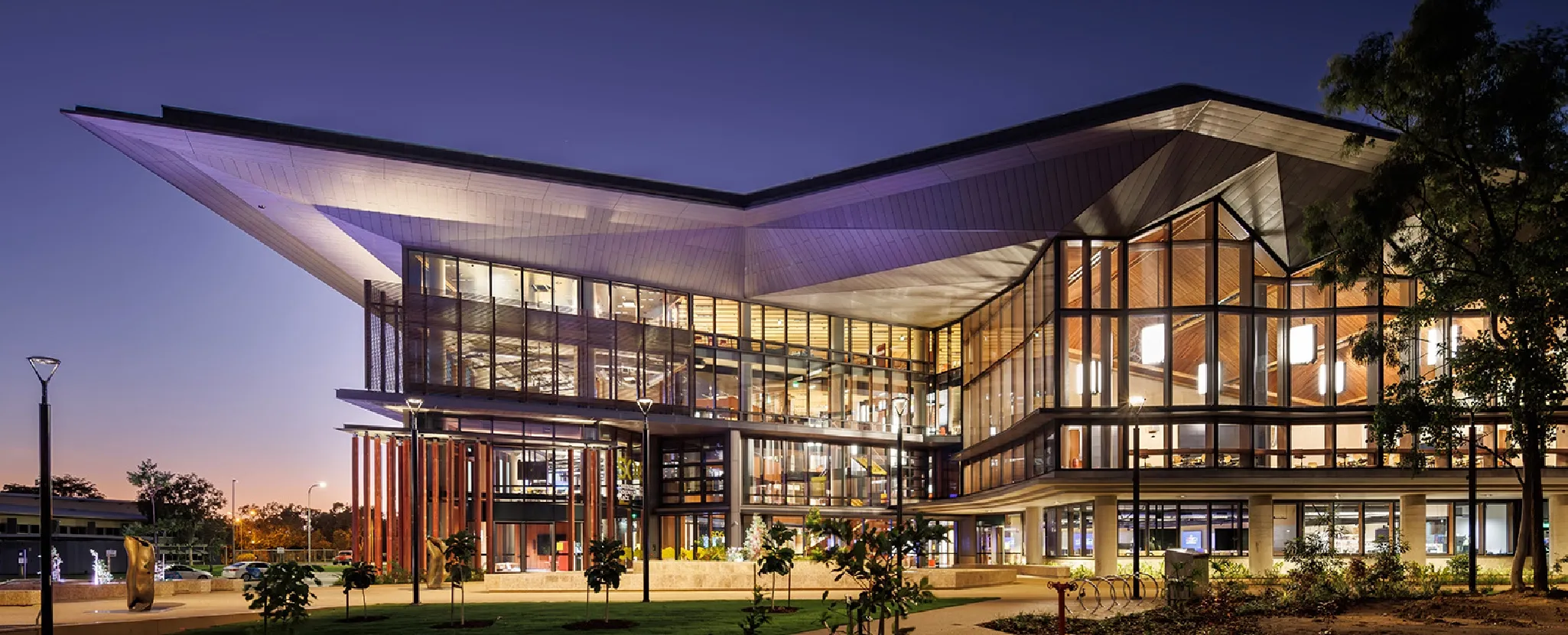
This casual role at James Cook University in Mount Isa lets you support nursing students in rural Queensland without signing away your flexibility.
You prepare the clinical skills lab, set up simulation equipment, and keep everything safe and organised so classes run smoothly. The Murtupuni Centre for Rural and Remote Health needs reliable people who know their way around clinical spaces and take infection control seriously.
The day-to-day work
Classes happen on a schedule, so your hours shift with teaching demand. One shift you might unpack mannequins and lay out wound-care kits. The next you restock gloves, check expiry dates on supplies, and log everything before the next group arrives. You work with academic staff who run the sessions and students who are building real skills for remote practice.
The job lists eight core tasks. You ready the spaces before students walk in. You pack down after. You help anyone using the lab with equipment questions. You keep the rooms clean to infection-control standards. You track stock and order what runs low. You keep records on maintenance and incidents. You follow every workplace health and safety rule. And you flag problems the moment they appear.
That last point matters in a rural setting where equipment can be harder to replace quickly. Mount Isa sits hundreds of kilometres from the nearest major city. The centre trains health workers who will stay and serve those communities, so the lab has to stay ready.
What the role asks of you
You need practical experience in a clinical, lab, or education setting. You should already understand how to handle clinical consumables safely and why WHS rules exist in the first place. Strong organisation helps when priorities change between one class and the next. Attention to detail keeps records accurate and spaces hygienic.
Communication counts too. Students and visiting staff will ask questions. You answer clearly and stay helpful. The role suits someone who likes working alone some days and with a small team on others.
Desirable extras include time spent supporting nursing education or simulation mannequins. Stock control or equipment maintenance experience also stands out. None of these are mandatory, but they shorten the learning curve.
Why candidates overlook strong fits like this one
Most people scroll past casual ads because they assume the hours are too unpredictable or the pay too low. In reality the role caps at 36.25 hours a week but rarely hits that every week. Teaching calendars create natural peaks and troughs. That pattern suits parents, people studying, or anyone already working part-time elsewhere.
Another mistake is sending the same resume to every ad. The JCU posting spells out exactly what they want in the first ninety days: reliable lab prep, safety compliance, and accurate records. Mirror those phrases in your application and you stand out immediately.
Four steps to a competitive application
- Read the duty list twice. Pull the exact responsibilities into your resume bullet points and your cover letter.
- Write a one-page cover letter that names the centre and the town. Generic letters get binned fast.
- Attach a clean, recent resume that shows any clinical, lab, or education-adjacent work first.
- Submit before the August 5 close. Late applications rarely get considered when the pool is already solid.
Most committees hate long boilerplate. They want to know in thirty seconds whether you can keep a lab safe and ready. Give them that evidence up front.
Rural context that changes the stakes
Mount Isa sits in north-west Queensland. The centre focuses on rural and remote health because those regions face chronic workforce shortages. Every student who trains here and stays contributes to better local care. Your behind-the-scenes work directly affects how prepared those students feel on placement and in their first jobs.
The casual nature also lets the university scale support up and down with semester demand. You get variety without the full-time commitment that scares some experienced clinicians away from education roles.
If you already hold current registration or recent clinical experience, the transition feels natural. Even without it, solid lab or technical support backgrounds transfer well once you learn the specific simulation gear.
What happens after you apply
Expressions of interest stay on file. When teaching schedules firm up, the centre contacts suitable candidates for shifts. You might start with a few hours and build from there. The team values reliability, so consistent performers often get first call for extra work.
Training on the specific equipment and local safety procedures happens on the job. You do not need to arrive as an expert on every mannequin model.
Pay and conditions follow university casual rates for the classification. The main draw remains the location and the direct link to rural health training.



Discussion
Be the first to comment on this article!
You’ll be asked to sign in before your comment is posted.