
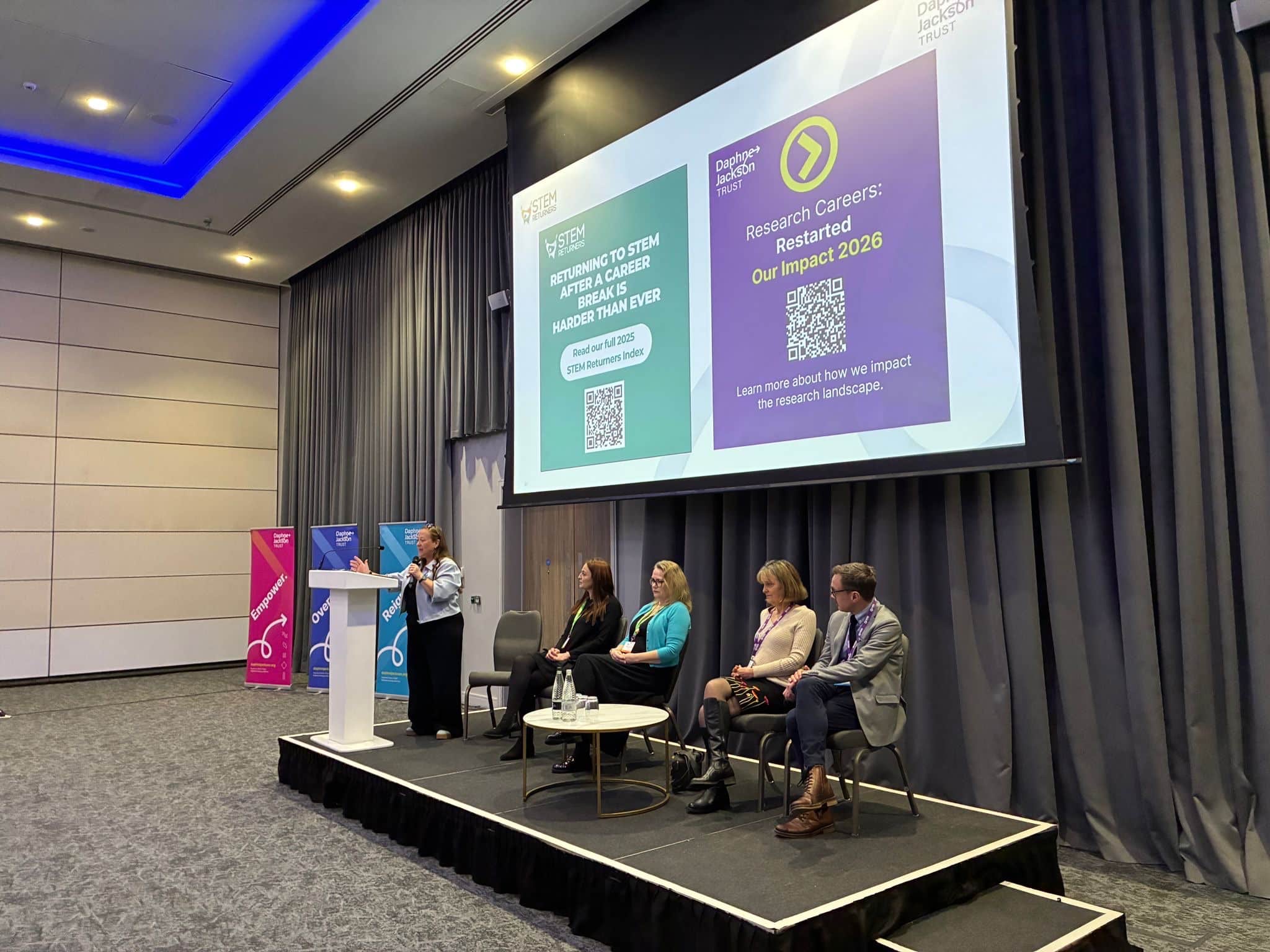
The Research Technical Professional Daphne Jackson Fellowship at Durham University is not a standard research job advert, and that's exactly why you should pay attention if you've stepped away from the lab bench or a core facility.
Most fellowships assume an unbroken career. This one starts from the opposite assumption: a break of two years or more does not erase your technical judgement, your bench skills, or your ability to run an instrument suite. It treats the return as the point.
The Daphne Jackson Trust has built its name on part-time, paid fellowships that combine a research project with retraining, hosted inside UK universities and research institutes. Durham University is one of the hosts, and this specific opening is aimed at research technical professionals rather than only academic researchers.
That matters because technical staff are the people who keep research moving. They maintain equipment, train students, manage safety, and solve problems that never make the paper's author list. A fellowship that names them directly is rare.
If you've been out of the workforce for caring, health, or other personal reasons, the trick is knowing what the scheme actually asks for and where the common application mistakes happen.
What Durham's fellowship actually involves
Daphne Jackson fellowships usually run part-time, often at 0.5 full-time equivalent, for around two years. The research is real, but it is built around your return, not around a project that demands sixty hours a week from day one.
You work with a host supervisor at Durham to shape a research or technical work plan. The Trust then expects a retraining element, which can mean refreshing lab techniques, learning new software, attending courses, or rebuilding confidence in a research environment.
The host pays for the fellowship through sponsorship. For you, the practical result is a paid post with a clear remit: you return and retrain while producing useful research or technical output, without pretending you never left.
Do not read that as a soft option. The scheme's reputation rests on fellows completing meaningful work. But it is designed for a phased return, which is the whole point.
Who counts as a research technical professional
At Durham and similar universities, research technical professionals run core facilities, manage specialist equipment, support experimental work, and carry out technical development. You might have held a title like research technician, senior technician, experimental officer, or facility manager before your break.
The fellowship's technical framing means you do not need to be applying for a traditional lectureship to be eligible. The Trust looks for people with research or technical experience who can return to a hosted project. A PhD helps in many cases, but the scheme's eligibility sits on your experience and the break itself.
The official application page on the Daphne Jackson Trust site has the current eligibility details and the Durham-specific instructions. Check it before you spend time writing anything.
The application process in plain terms
Start with eligibility. The Trust normally expects a career break of at least two years. You then need to find or be matched with a host supervisor at Durham who can support your proposal.
Your application is not just a CV. It's a case for why this return plan fits your experience and the host's research or technical needs. The strongest applications name the skills you want to refresh and why they're relevant to the project.
- Confirm the length and reason for your career break against the current Trust criteria.
- Look at Durham's research strengths and technical facilities before contacting anyone.
- Draft a short return plan: which skills you want to refresh, which techniques you can contribute from day one, and a realistic timeline for the first six months.
- Approach a potential host supervisor with enough detail to show you've done the homework.
- Complete the official form on the Daphne Jackson Trust application page, not through a generic university job portal.
What makes this different from a standard postdoc
A standard postdoc advert usually describes a project and expects the applicant to fit it. A Daphne Jackson fellowship starts with the returner and builds a project around their experience and retraining needs.
This changes the conversation with a host supervisor. You are not pitching yourself as a fully independent researcher on day one. You are proposing a structured return, with the Trust's framework behind you.
That framework also changes the risk for the institution. The part-time schedule gives you time to refresh, while the host gets a colleague who is not being asked to perform as if the break never happened.
For candidates who have been out for several years, that distinction is the reason to apply. The alternative is too often a full-time post with a probation clock and no formal retraining.
Why the technical focus matters now
University research depends on technical staff in ways job adverts rarely admit. A facility manager who knows why a particular mass spectrometer drifts on humid days is hard to replace. So is the technician who can keep a microscopy suite running while training three new PhD students.
When experienced technical professionals leave research, the institution loses practical knowledge that no induction pack can restore. Return-to-work schemes aimed at this group are still uncommon, which makes a named Durham fellowship more significant than the small number of posts might suggest.
The Daphne Jackson Trust has spent years normalising the idea that a career break should not end a research career. Its model works because it builds retraining into the role rather than expecting someone to return at full speed after a long absence.
Sponsorship and eligibility: where people get confused
One confusion is the word 'fellowship'. People expect a personal grant they apply for and take anywhere. A Daphne Jackson fellowship is hosted and sponsored. The host institution agrees to provide the research environment and usually contributes to the funding package.
That means you should not submit a purely generic proposal. Durham needs to see why the work fits its facilities and research priorities. The Trust needs to see a return plan that justifies the retraining component.
Another confusion is the career break threshold. Some candidates assume any gap works. The Trust sets a minimum break, and it needs to be explained. A short period of unemployment between contracts may not read the same way as a caring or health-related break.
What Durham offers technical returners
Durham's research environment includes core facilities and specialist equipment across science, engineering, and technology groups. Technical staff there support a broad range of experimental work, which gives a returning fellow room to find a realistic niche.
You should use Durham's research pages to identify current groups and equipment before contacting anyone. A targeted enquiry beats a broad one every time.
What strong applicants do differently
The applicants who stand out do not waste the first paragraph explaining why they left. They mention the break plainly: dates, reason in one line, and then move to what they can do now. Committees are not looking for apology; they're looking for a feasible return plan.
They also connect their technical background to Durham specifically. That means checking which facilities exist, what equipment the relevant groups use, which techniques fit the host's current direction, and how the group handles data. A vague offer to help anywhere reads as weaker than a targeted one.
Finally, they ask for the retraining they actually need. If you've been away from liquid chromatography for four years, say so. If your computational workflow moved from one platform to another, name it. The fellowship exists to fund that refresh.
How to use the AcademicJobs listing
The Research Technical Professional Daphne Jackson Fellowship listing on AcademicJobs gives you the quick view: host institution, fellowship type, official application route, and the headline detail you need before you build a full application.
Keep the official Durham University Daphne Jackson Fellowship page open alongside it. The AcademicJobs listing points you there for the detail that actually determines eligibility.
This week, open the official Durham fellowship page and write down the dates of your career break. Then list Durham research groups whose technical needs match what you used to do. That list is your first approach email.













Discussion
Be the first to comment on this article!
You’ll be asked to sign in before your comment is posted.