
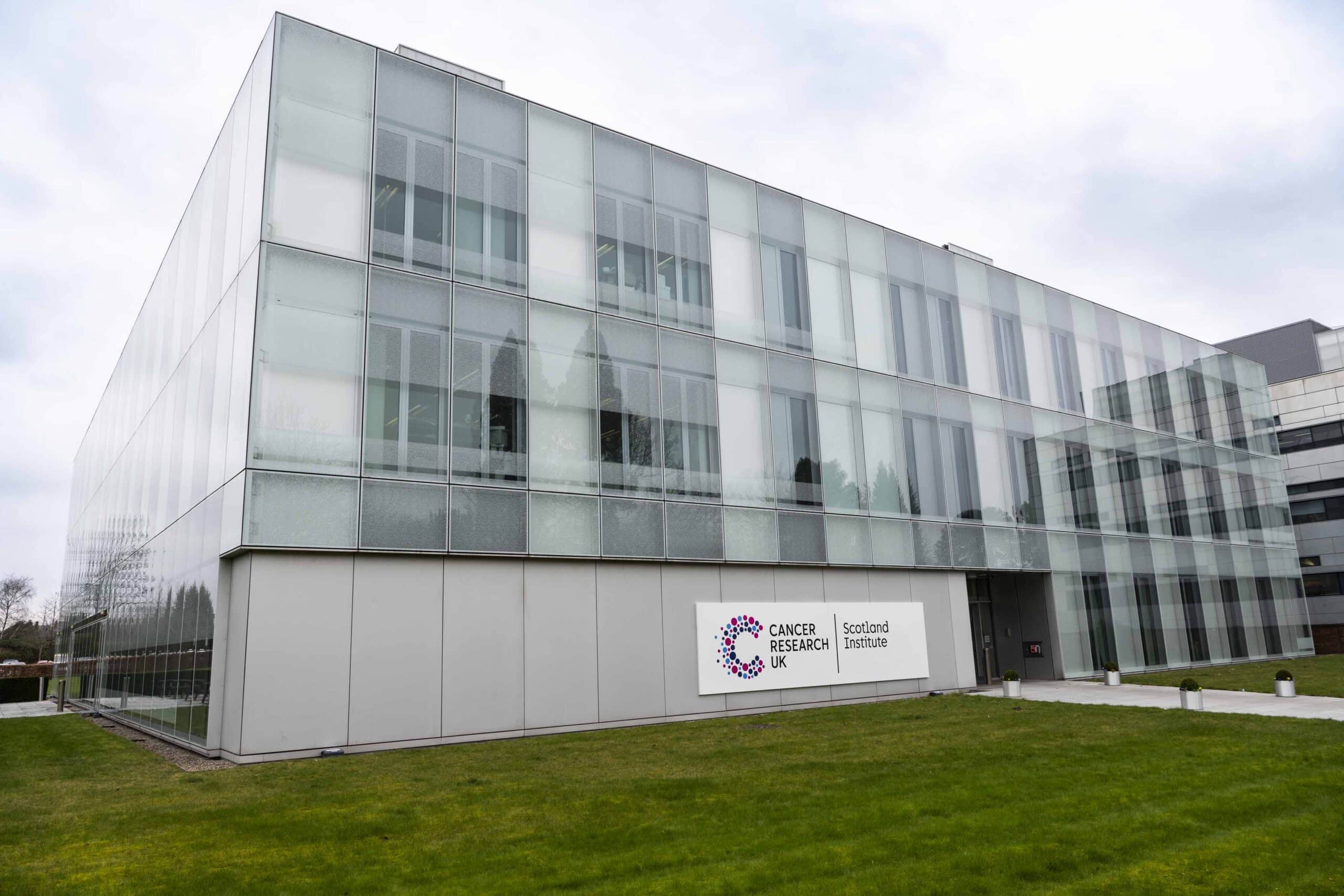
Most return-to-research fellowships are aimed at academics. The one Newcastle University has opened with the Daphne Jackson Trust is aimed at research technical professionals who have been out of the lab, the imaging suite or the workshop for two years or more.
That matters because universities rarely build formal return routes for technical staff. They should. The people who keep instruments running and facilities compliant are as hard to replace as any postdoc, and a two-year break doesn't erase their value. If you're one of those returners, this opening deserves your attention now, not a week before the closing date.
The role sits inside what Newcastle calls its research technical professional career pathway. That's a specific staff group, not a catch-all phrase. You're not applying for a postdoc with a different label; you're applying to return to specialist technical work.
A paid, part-time route back into technical research
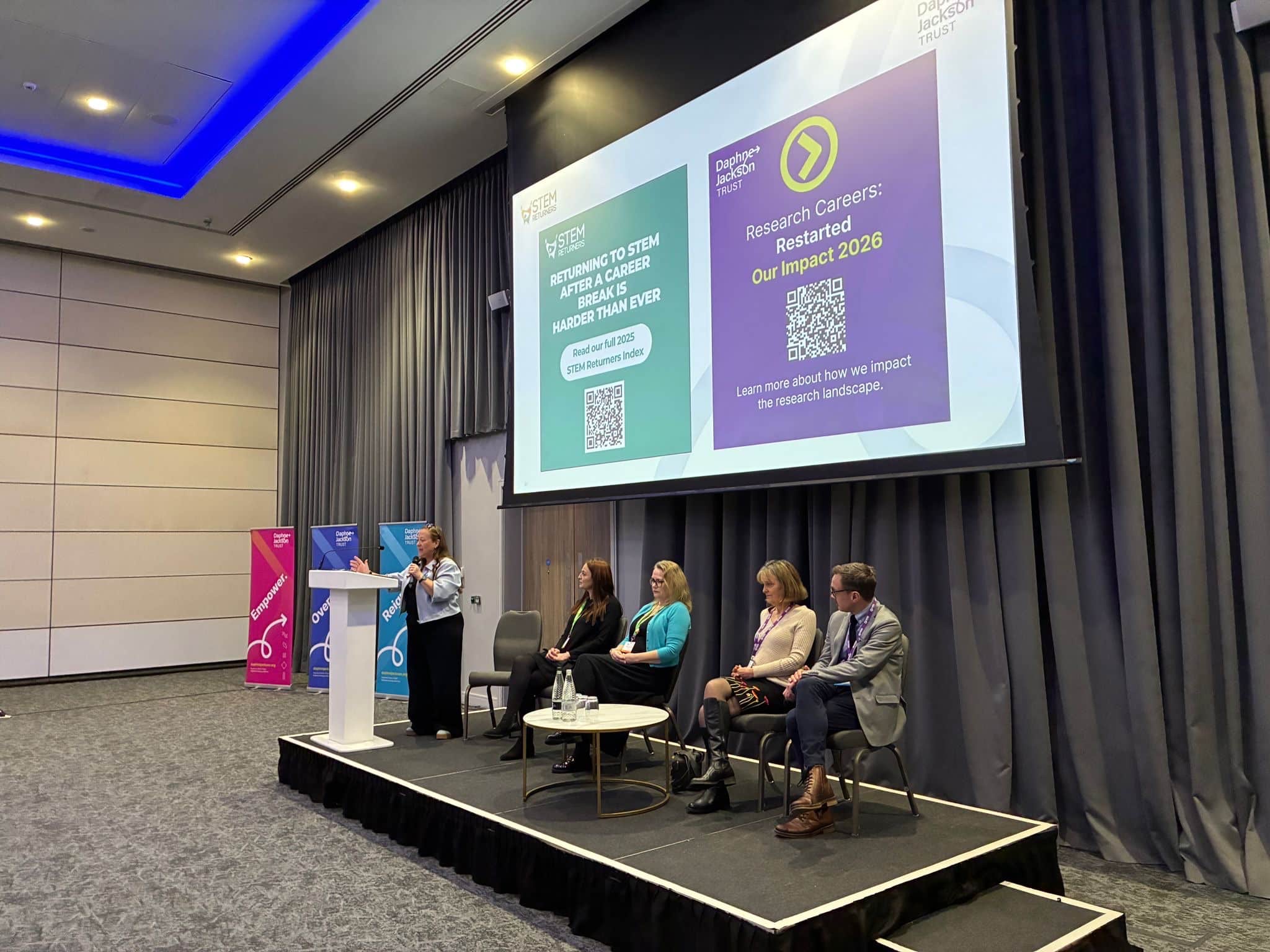
The Daphne Jackson Trust is a UK charity that exists to bring researchers back after a career break. The Fellowship is not a one-off grant or a training voucher. It's a paid, part-time research role hosted by a university or research institution. The host employs the fellow, pays a pro-rata salary, and provides a separate allowance for retraining, conference travel and other costs that help someone catch up.
The standard shape is 0.5 FTE over two years. The Trust says it has supported more than 400 returners since it was founded in 1992. That length matters: two years is enough to retrain properly, not just to reacquaint yourself with a lab before the funding ends.
Why the technical workforce needed this
A career break does not leave your technical knowledge frozen. Methods move, software changes, instruments get decommissioned, safety regimes tighten. Two years away can mean returning to machines you've never touched and protocols that didn't exist when you left. Think of a flow cytometry specialist who left in 2021 and comes back to instruments that now use different lasers and software. That's not a gap; it's a retraining need.
It's also why initiatives like the Technician Commitment exist. More than 100 universities and research institutions have signed it, pledging better visibility, recognition, career development and training for technical staff. Newcastle is a signatory, and a returner fellowship aimed at research technical professionals fits that commitment. You can see the signatory list on the Technician Commitment website.
The wider labour market helps explain the timing. Senior technical staff are hard to replace; specialist facility managers can be harder to recruit than many academic posts. Returners with deep technical backgrounds are not a soft option. They're often exactly the people universities need.

Who should apply
Eligibility is specific, so read it before you invest time. You need a PhD or equivalent research experience, and you need a career break of at least two years for family, caring or health reasons. The break is the qualifying condition; it's not a scheme to switch institutions while staying in work.
Men are eligible. The Trust does not run a women-only programme, even though women make up a large share of returners after caring breaks. If you've been out for health reasons, you apply through the same route.
This particular call sits in a research technical professional pathway. That's a specialist career for people who run equipment, develop methods, manage facilities and train others to use them. If that's the career you're returning to, say so directly. Don't bury it under academic-style language.
How the application process works
The application goes through the Daphne Jackson Trust, not through Newcastle's standard vacancies page. The full call, current closing date and named contact are on the Newcastle University fellowship page. Read it before you contact anyone.
Then work through these six steps:
- Write one page about your technical background before the break. Name the instruments, methods, software and facilities you used. Generic language wastes space.
- Explain the break itself. State why you left and what you have done since. The Trust wants evidence that you've thought about returning, not just that you've been waiting for an advert.
- List the retraining you'll need. If the software changed, name the software. If you need recertification or refresher training, say which one.
- Talk to the named Newcastle contact early. Don't ask for a job in your first email. Ask whether your technical area and likely retraining plan fit the call.
- Draft the Trust's application form directly. Don't spend two weeks on a generic CV before opening the form.
- Submit once the answers are specific and complete. A clear, honest application beats a polished one that says nothing about your technical past.
You can also see the opening alongside related UK roles on AcademicJobs.com.
What the funding covers
A Daphne Jackson Fellowship is a job, not a bursary. The fellow is an employee of the host institution, paid pro rata for a 0.5 FTE appointment over two years. There is also an allowance for retraining, conference attendance and related costs. It does not provide a full-time salary or a permanent post.
For some returners, the part-time design is part of the point. It leaves room for caring responsibilities while rebuilding technical currency. For others, it's a financial calculation. Work out whether half-time pay fits your household before you commit. The Trust's main site explains how fellows are employed and what the allowance covers.
What makes Newcastle's call different
Many returner fellowships are tied to a single project or a named grant. This one is tied to a career pathway, and that changes how you should read the advertisement. Newcastle is not simply filling a pair of hands for one study. It's making a bet on someone who can return to the technical workforce and stay.
That's the right bet. UK universities face real shortages of experienced technical staff. People who know how to run specialist facilities, maintain instruments and train researchers are scarce. A fellowship aimed at returners in this area responds directly to that tight labour market, and it gives applicants a clearer route than the usual find-a-supervisor-and-hope model.
Your next step this week
Don't wait for the closing date to get close. Start with a small, concrete action: read the Newcastle call, note the named contact, and send a short email describing your technical background, the length of your break and one question about whether your planned retraining fits the role.
That email will tell you more than another week of reading. Returner applications are won by people who start the conversation early and get specific fast.








Discussion
Be the first to comment on this article!
You’ll be asked to sign in before your comment is posted.