

Deakin University Vice-Chancellor Professor Iain Martin resigned effective immediately on June 9, 2026, just days after the institution announced proposals for a major restructure expected to result in the loss of 130 to 150 positions. Chancellor Claire Higgins informed staff via email that the University Council had accepted the resignation with respect, noting Professor Martin had led the university for nearly seven years since his appointment in July 2019.
Details of the Proposed Restructure and Job Losses
The announcement of the leadership change followed closely on consultations over a restructure aimed at reducing duplication across academic and professional portfolios. Reports indicate the changes could affect around 140 roles in total, including approximately 105 professional staff positions and 33 roles in digital, technology, and campus facilities areas. Some accounts describe elements of a "spill and fill" process, where positions are abolished and staff must compete for a reduced number of new or revised roles, often at potentially lower classifications or pay rates. The university framed the proposals as necessary to streamline operations and address an evolving operating environment, despite describing its overall financial position as strong.
Background on Professor Iain Martin’s Tenure
Professor Martin assumed the role of President and Vice-Chancellor in mid-2019, guiding Deakin through the challenges of the COVID-19 pandemic and subsequent recovery. During his leadership, the university navigated significant revenue pressures from reduced international student numbers while pursuing growth in research output and domestic enrollment. His departure leaves a notable gap at a time when many Australian universities continue to grapple with post-pandemic adjustments, rising operational costs, and shifting government policy settings around funding and international education.
Deakin University’s Financial and Operational Context
Deakin reported a headline surplus of A$56 million for 2025, marking the first positive result after three years of deficits. Revenue grew 10 percent year-on-year, supported by a 15 percent increase in international student earnings, while staff costs rose 5 percent to represent 59 percent of total income. The 2025 annual report highlighted an underlying result closer to A$3.8 million on A$1.5 billion in income and noted ongoing challenges, including below-target international acceptances for 2026 commencements. These figures underscore the delicate balance many institutions face between maintaining service quality and controlling expenditure amid volatile enrollment patterns.
University leaders have pointed to the need for structural efficiencies to sustain long-term viability. The proposed changes come against a backdrop of broader sector pressures, including enterprise agreement salary increases and the costs associated with supporting expanded teaching and research activities.
Historical Patterns of Staffing Adjustments at Deakin
This is not the first time Deakin has undertaken significant workforce reshaping. In 2020, the university proposed around 400 position reductions amid pandemic-related revenue forecasts of A$250–300 million shortfalls. A further round in 2021 targeted up to 220 roles. The latest proposals continue a pattern seen across Australian higher education, where institutions periodically review staffing structures in response to funding cycles, enrollment shifts, and strategic realignments. Past experiences have often involved extensive consultation periods, union negotiations, and support packages for affected staff.
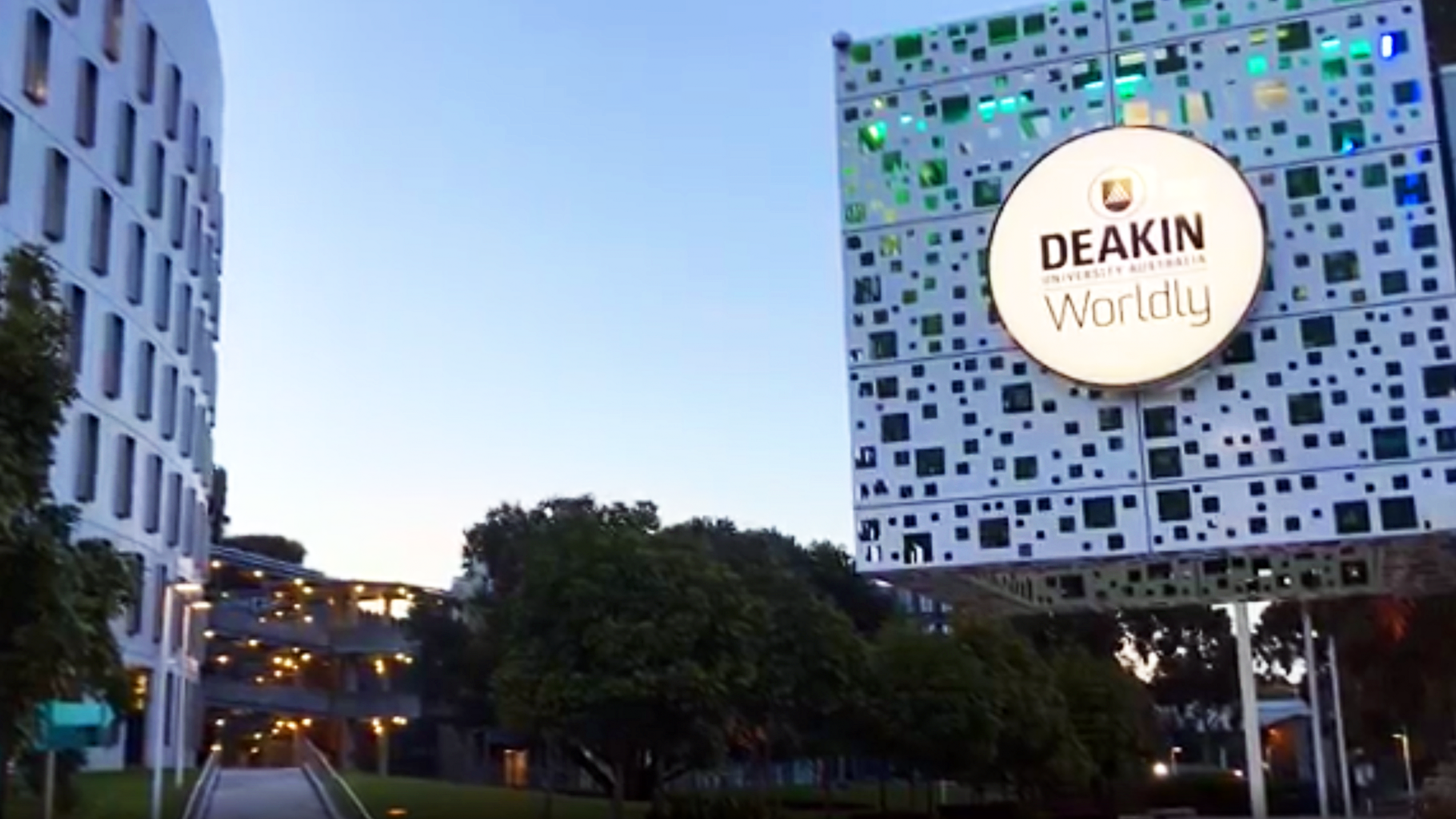
Photo by Deakin University on Unsplash
Reactions from Staff, Unions, and the Campus Community
Staff responses have included expressions of surprise and anxiety, with many noting the abrupt nature of the vice-chancellor’s exit and the timing relative to the restructure consultations. The National Tertiary Education Union campus branch highlighted confusion among members and called for greater transparency around the decision-making process. Student representatives, including those from the Deakin University Student Association, have emphasized the importance of protecting the student experience during any transition period. Social media discussions among current and former staff reflect a mix of concern over job security and speculation about underlying governance dynamics.
Interim Leadership Arrangements
Professor Matthew Clarke, Deputy Vice-Chancellor Research and Innovation, has stepped in as caretaker Vice-Chancellor effective immediately. The University Council is expected to appoint an acting vice-chancellor in the coming weeks while a formal search process for a permanent successor is initiated. Such interim arrangements are common in higher education during unexpected leadership transitions and aim to provide continuity in day-to-day operations and strategic oversight.
Broader Implications for Australian Higher Education
The events at Deakin reflect wider trends in the sector, where governing bodies and executive teams balance financial sustainability with academic mission and staff welfare. Australian universities have faced recurring cycles of expansion and contraction influenced by international student markets, domestic policy changes, and economic conditions. Governance questions, including the relationship between councils, chancellors, and vice-chancellors, have surfaced in several institutions recently. The lack of a publicly stated reason for Professor Martin’s resignation has fueled discussion about internal processes and the challenges of leading large, complex organizations through periods of change.
Similar leadership transitions have occurred at other universities amid staff opposition to savings measures, highlighting the personal and institutional toll of prolonged uncertainty. Observers note that transparent communication and robust consultation mechanisms can help mitigate morale impacts and support retention of key talent.
Impacts on Academic Careers and Institutional Reputation
For academics, professional staff, and early-career researchers, restructures of this scale can create short-term uncertainty around role security, workload distribution, and career progression pathways. Deakin’s multiple campuses across Victoria, including Geelong and Melbourne, mean effects are felt regionally as well as in major metropolitan centers. Prospective job seekers monitoring opportunities in Australian higher education may observe heightened caution in recruitment while transitions unfold. At the same time, periods of change can open avenues for new strategic priorities and refreshed leadership teams.
Future Outlook and Sector Trends
Looking ahead, Deakin and peer institutions are likely to continue refining operating models in response to enrollment patterns, research funding landscapes, and workforce expectations. Emphasis on digital transformation, decasualisation of employment, and alignment of academic offerings with student and employer needs remains prominent. The appointment of a new vice-chancellor will be watched closely for signals about strategic direction, particularly regarding international engagement, research intensification, and campus experience. Sector-wide, discussions around sustainable funding models and the value proposition of university degrees continue to shape policy debates.

Photo by Deakin University on Unsplash
Navigating Change in Higher Education Environments
Staff and job seekers alike benefit from staying informed through official university channels and professional networks. Resources on career development in academia, including guidance on CV preparation, interview strategies, and understanding institutional priorities, can assist those exploring opportunities. Monitoring announcements from bodies such as Universities Australia and the National Tertiary Education Union provides additional context on sector conditions. Institutions that prioritize clear communication and support during transitions often maintain stronger engagement with their communities over the longer term.


Discussion
Be the first to comment on this article!
You’ll be asked to sign in before your comment is posted.