

Bond University is hiring a Director of Sport, and the title understates the job. This is an executive sport management role with budget authority, staff leadership and responsibility for a high-performance precinct. It is not a senior coaching position with a better parking spot.
If you are weighing whether to apply, start from that premise. The Director of Sport at Bond sits inside a private, not-for-profit university on the Gold Coast, Queensland. The university runs its competitive and social sport programs under the Bond Bull Sharks brand. A director-level hire means the university wants someone to run the whole operation: participation pathways, high-performance programs, facilities, partnerships, compliance and the student-athlete experience.
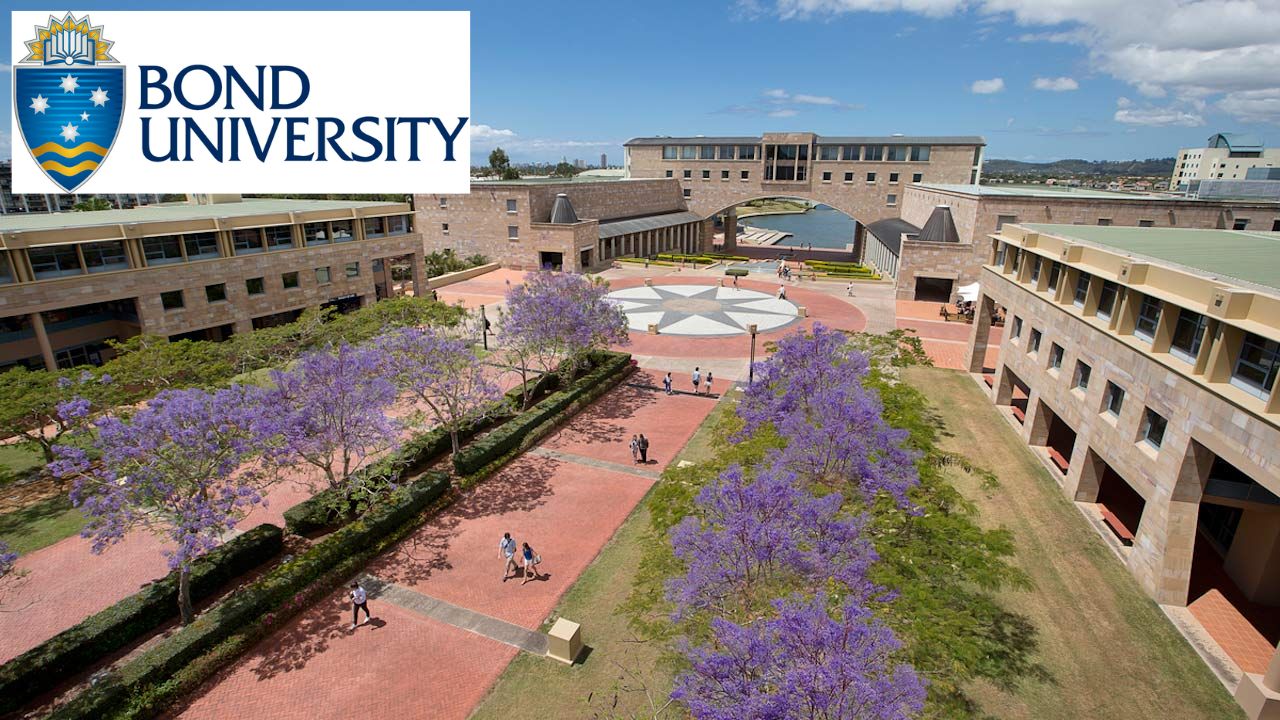
Bond University is based at Robina. It was established as Australia's first private not-for-profit university, and its campus includes a dedicated sport precinct with a 50-metre pool, a strength and conditioning gym and field-sport facilities. Sport is central to how Bond presents itself to students, alumni and the wider Gold Coast community. That visibility shapes the role. The person appointed will be judged on results far beyond the scoreboard.
What the role actually owns
Director-level sport roles in Australian universities rarely look like a single job description. They look like a portfolio. Bond's advertisement sets out its own selection criteria, but the recurring domains in roles of this seniority are well understood by people who have held them.
- Sport strategy and program design across elite, competitive and social pathways.
- Budget and financial management covering scholarships, facility operations and competition costs.
- Staff leadership for coaches, strength and conditioning teams, administrators and student workers.
- Facility and event management for training, competition and community bookings.
- Compliance with university policies, national sporting body rules and child safety standards.
The panel will want evidence that you have owned outcomes in most of these areas, not just been present while someone else made the decisions. In sport, titles often outpace accountability. This role is the reverse. You will be measured on the quality of the student-athlete experience and the financial and reputational health of the sport program.
Why the title matters more than the coaching badges
A Director of Sport is not the same as a head coach with a bigger budget. Coaches are accountable for a team's performance within a season. A director is accountable for the system that makes those seasons possible: coaching appointments, player development pathways, facility scheduling, scholarship allocations, risk management and community partnerships. In a university setting, the director also carries academic alignment and student welfare responsibilities that do not appear on a club organogram.
That is why panels often shortlist candidates with management experience outside their own sport. You may have been a rugby coach for a decade, but if another candidate has run a multi-sport program, managed a facility and answered to a board, that candidate will likely interview ahead of you. Show the panel you can manage the operation, not just the game.

The Bond sport operation behind the title
Bond University's sport pages describe the clubs, facilities and scholarship pathways that fall under the Bond University Sport operation. The Bull Sharks brand covers the university's competitive teams, and the Robina campus provides a dedicated sports precinct. Sport at Bond is not a peripheral activity; it is woven into student recruitment, alumni engagement and the university's public profile on the Gold Coast.
That visibility changes the role. You are not just running fixtures; you are managing a recognisable brand and its relationships with schools, clubs, sponsors and families. The Director of Sport can expect regular interaction with senior university staff, external sporting bodies and community partners. Candidates who have only ever worked inside one club may need to show how their experience transfers to a multi-stakeholder environment.
The role's scope also extends to the student experience beyond elite competition. Social sport, recreation programs and facility access for the broader student population typically sit inside a university sport director's remit. At Bond, that means balancing the needs of scholarship athletes, club players and students who just want to use the pool. It is a management exercise in competing demands, not a single-minded pursuit of trophy results.
How to read this job ad like a candidate, not a fan
Start with the advertisement itself. The full position description is on Bond University's jobs portal, and the listing is mirrored on AcademicJobs.com. Read it twice: once to understand the outcomes, and once to identify the evidence the panel will ask for. Most applicants read the first page, skim the selection criteria and submit a CV that looks like every other sport CV on the desk.
Do not do that. University panels screen against the criteria before they interview. If the document asks for demonstrated experience managing budgets, say what budget you managed and what you did with it. If it asks for staff leadership, name the roles you led and the improvement you drove. The people shortlisting this role will not infer your capability from a list of tournament wins.
Pay close attention to the reporting line and the governance structure. A director-level hire usually reports to a senior university executive, a pro vice-chancellor or an equivalent role. The advertisement should make that clear. Knowing who you will report to tells you how the university weights sport in its organisational structure, and it tells you what kind of decisions you will be expected to take without escalation.
Before you apply
The strongest candidates treat the application as a management exercise, not a fan letter. Work through these steps before you hit submit.
- Download the position description and highlight every selection criterion asking for demonstrated leadership, financial management or program delivery.
- Map two or three concrete examples from your current or previous roles against those criteria, with measurable change where possible.
- Rewrite your CV so the first half page shows governance, budget ownership and staff leadership before coaching results.
- Draft a cover letter that answers one question: what will be different in the sport program at the end of your first year?
- Clarify your work rights and willingness to relocate before applying. Gold Coast roles draw candidates from across Australia and overseas, and panels prefer clarity on this early.
University sport in Australia operates within a broader system led by UniSport Australia, the peak body for university sport. If your background is in community or state-level sport rather than university sport, show how you have worked with peak bodies, member organisations or multi-club environments. The panel needs to know you can step into a governance-heavy role, not just a busy one.
This week's move
Do one thing this week: download the position description and write down the top three outcomes the role is expected to deliver in its first twelve months. If you cannot name them in one sentence each, you are not ready to apply. If you can, start rebuilding your CV around those outcomes now. The best candidates will be doing exactly that while others are still deciding whether to upload an old resume.



Discussion
Be the first to comment on this article!
You’ll be asked to sign in before your comment is posted.