
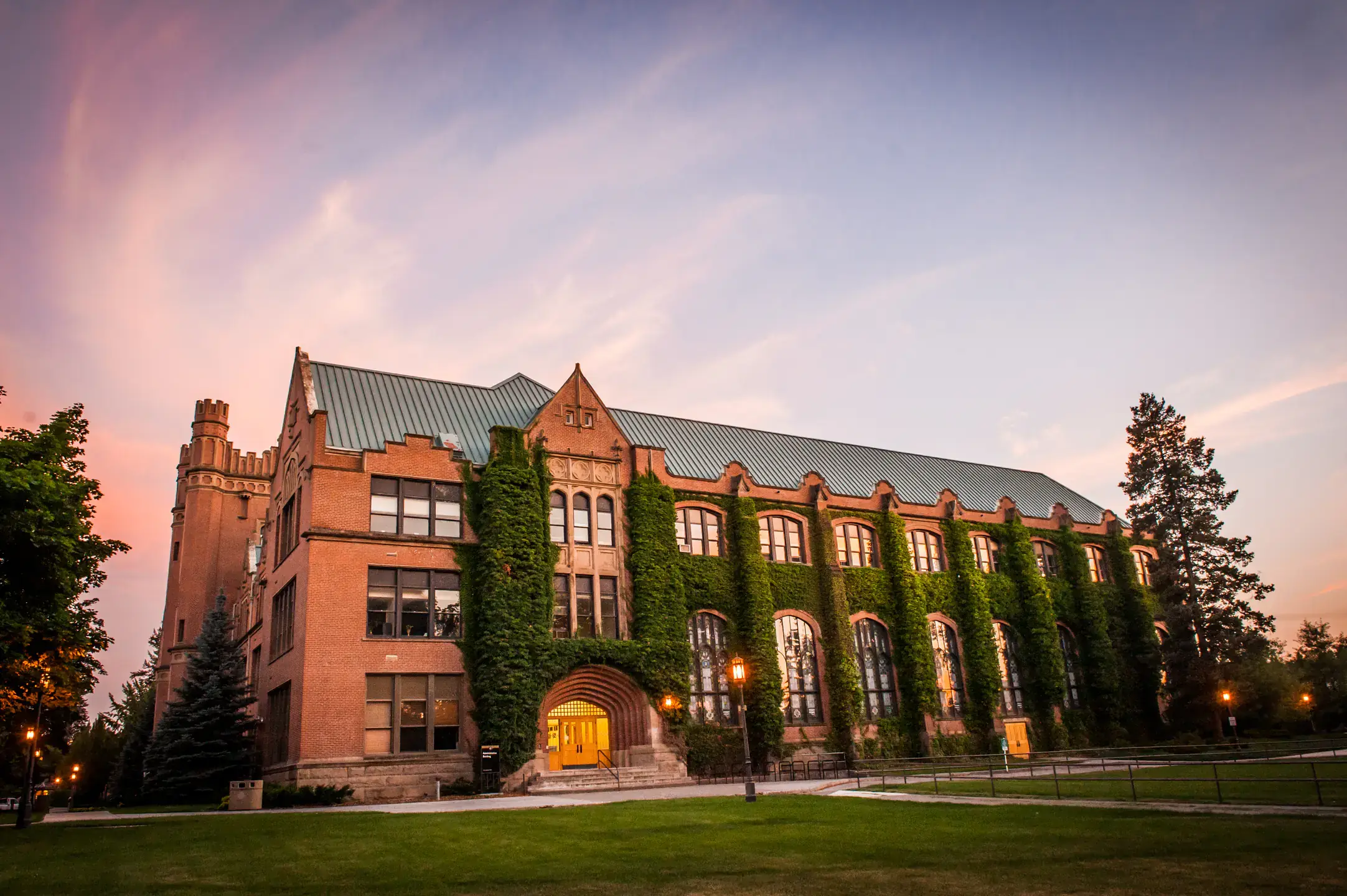
University of Idaho Launches Search for Key Leadership Role in Campus Facilities
The University of Idaho has announced an exciting opportunity for an experienced professional to step into the role of Executive Director of Facilities Engineering, Operations, and Maintenance. This position, based in Moscow, Idaho, represents a pivotal leadership opportunity within one of the state's flagship public research institutions. The role focuses on overseeing the comprehensive management of the university's physical infrastructure, ensuring that buildings, systems, and utilities support the institution's core missions of education, research, and community engagement.
With responsibilities spanning strategic planning, operational oversight, and partnership management, this executive position plays a vital part in maintaining a safe, efficient, and sustainable campus environment. Candidates with strong backgrounds in engineering, operations, or public administration will find this role particularly compelling as it combines technical expertise with high-level administrative leadership.
Understanding the Scope of Facilities Leadership in Modern Universities
Facilities management in higher education encompasses far more than routine maintenance. It involves the strategic stewardship of an institution's physical assets to create environments that foster learning, innovation, and well-being. At its core, this discipline ensures that classrooms, laboratories, residence halls, and support buildings operate reliably while meeting evolving standards for safety, accessibility, and energy efficiency.
Effective facilities leadership requires balancing immediate operational needs with long-term capital planning. Professionals in these roles coordinate teams of technicians, engineers, and support staff while collaborating with academic departments to anticipate future space and infrastructure requirements. The University of Idaho's new executive director will lead a team of over 50 staff members dedicated to these objectives.
Key Responsibilities of the Executive Director Position
The selected candidate will provide comprehensive leadership for facilities operations and maintenance across the University of Idaho campus. Primary duties include overseeing building systems to ensure they remain accessible, sustainable, and fully functional for students, faculty, and staff. This encompasses everything from HVAC and electrical systems to plumbing and structural integrity.
A significant aspect of the role involves capital planning and engineering oversight for the university's utility public-private partnership, commonly known as a P3. The executive director will serve as the primary liaison with the private operator of this utility system, ensuring seamless integration between campus needs and partnership performance. Additional responsibilities include implementing advanced maintenance work order systems, refining preventative maintenance programs, and leveraging technology to enhance operational efficiency.
The position also emphasizes engineering support for daily operations and participation in broader university capital planning efforts, particularly around addressing deferred maintenance and facility upgrades. Customer service excellence remains a cornerstone, with the leader expected to deliver timely, professional responses to campus stakeholders.
Why Facilities Excellence Matters for Student Success and Institutional Reputation
High-quality facilities management directly influences the overall campus experience. Well-maintained buildings contribute to student satisfaction, retention, and even enrollment decisions. Research indicates that prospective students often consider the condition and appeal of campus infrastructure when choosing where to pursue their education.
Beyond aesthetics and comfort, robust facilities operations support safety and regulatory compliance. This includes managing emergency preparedness, ensuring accessibility under relevant laws, and maintaining indoor air quality and environmental standards. For research-intensive institutions like the University of Idaho, reliable laboratory and specialized facility support is essential for advancing scientific discovery and academic excellence.
Cost management represents another critical dimension. Strategic facilities leadership helps control operational expenses through energy efficiency initiatives, optimized maintenance schedules, and proactive asset management, freeing resources for academic priorities.

Current Trends Shaping Facilities Management in U.S. Higher Education
Institutions across the country are embracing technology to transform facilities operations. Computerized maintenance management systems (CMMS), Internet of Things sensors, and data analytics enable predictive maintenance, reducing downtime and extending equipment life. Smart campus initiatives integrate these tools to provide real-time insights into space utilization and energy consumption.
Sustainability has emerged as a top priority. Universities are pursuing certifications such as LEED, implementing energy conservation measures, and exploring renewable energy options. Public-private partnerships like the one managed by this new executive director offer innovative funding mechanisms for utility infrastructure while transferring certain operational risks.
Addressing deferred maintenance remains a persistent challenge. Many campuses face aging infrastructure that requires substantial investment. Leaders in this field must develop creative strategies to prioritize projects, secure funding, and communicate needs to institutional stakeholders and governing boards.
The Role of Public-Private Partnerships in Campus Utility Management
Public-private partnerships have gained traction in higher education as a way to modernize infrastructure without overburdening institutional budgets. In a typical P3 arrangement for utilities, a private entity finances, designs, builds, and operates systems such as heating, cooling, and power generation in exchange for long-term service agreements.
The University of Idaho's approach allows the institution to benefit from specialized expertise and capital investment while retaining oversight through dedicated leadership. The executive director will play a crucial role in aligning the partnership with campus goals, monitoring performance metrics, and ensuring that utility services support academic and research activities effectively.
Successful P3 management requires strong negotiation skills, technical knowledge, and the ability to foster collaborative relationships between public and private sector teams. This position offers the opportunity to shape such a model in a real-world university setting.
Qualifications and Experience Sought for This Leadership Opportunity
Ideal candidates bring at least eight years of progressive leadership experience in facilities management, engineering, utilities, or related public administration fields. A bachelor's degree in engineering, operations management, construction management, architecture, or a closely related discipline is required, with advanced degrees and professional certifications viewed favorably.
Preferred qualifications include a Professional Engineering license, Project Management Professional credential, or APPA Certified Educational Facilities Professional designation. Experience with P3 structures, LEED standards, district utility systems, and higher education environments strengthens an application significantly.
Beyond technical expertise, the role demands exceptional interpersonal skills, strategic thinking, and a commitment to inclusive, data-driven decision-making. The ability to lead diverse teams, manage complex budgets, and communicate effectively at all organizational levels is essential.
Supporting the University of Idaho's Mission Through Infrastructure Leadership
As a land-grant institution, the University of Idaho serves students across the state with programs in agriculture, engineering, natural resources, and many other fields. The physical campus in Moscow provides the foundation for these activities, and effective facilities leadership ensures that this foundation remains strong.
The executive director will contribute directly to creating welcoming, safe, and comfortable spaces that enhance teaching, learning, and research. By advancing sustainable practices and efficient operations, this leader supports the university's broader goals of accessibility, innovation, and community impact.
Emergency response capabilities form part of the position, underscoring the critical nature of facilities oversight in maintaining campus continuity during unexpected events.

Actionable Insights for Professionals Considering This Career Path
Individuals aspiring to similar executive roles in higher education facilities should focus on building a diverse portfolio of experiences. Hands-on operational knowledge paired with strategic planning capabilities creates a compelling profile. Pursuing relevant certifications and staying current with industry trends through professional associations can provide valuable advantages.
Networking within higher education circles and gaining exposure to capital projects or partnership management further prepares candidates. Demonstrating measurable impacts in previous roles, such as cost savings, improved service metrics, or successful technology implementations, helps applications stand out.
The University of Idaho offers a supportive environment for professionals committed to making a tangible difference in campus operations while enjoying the quality of life in the Pacific Northwest.
Future Outlook for Facilities Leadership in Higher Education
As higher education continues to evolve, facilities executives will increasingly serve as strategic partners in institutional planning. Climate resilience, digital transformation, and changing student demographics will shape priorities in the years ahead. Leaders who combine technical acumen with visionary thinking will be well-positioned to guide their institutions through these shifts.
Opportunities like the one at the University of Idaho highlight the growing recognition of facilities management as a cornerstone of institutional success. Professionals ready to lead with integrity, innovation, and a service-oriented mindset will find rewarding paths in this dynamic field.
Interested candidates are encouraged to review the full position details and submit materials through the official application portal by the priority deadline.



Discussion
Be the first to comment on this article!
You’ll be asked to sign in before your comment is posted.