
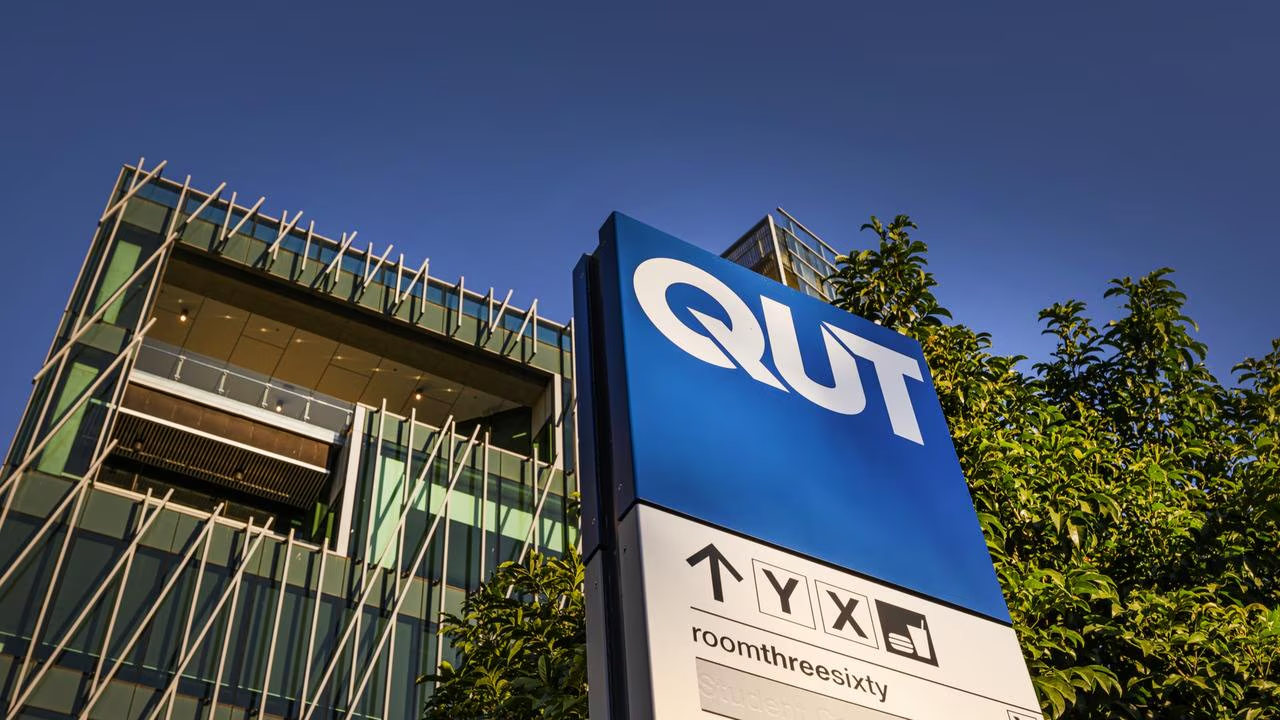
If you handle nucleic acid isolation, run PCRs, and train lab users on Illumina or Nanopore platforms without constant hand-holding, the Genomics Technologist role at QUT deserves your attention right now.
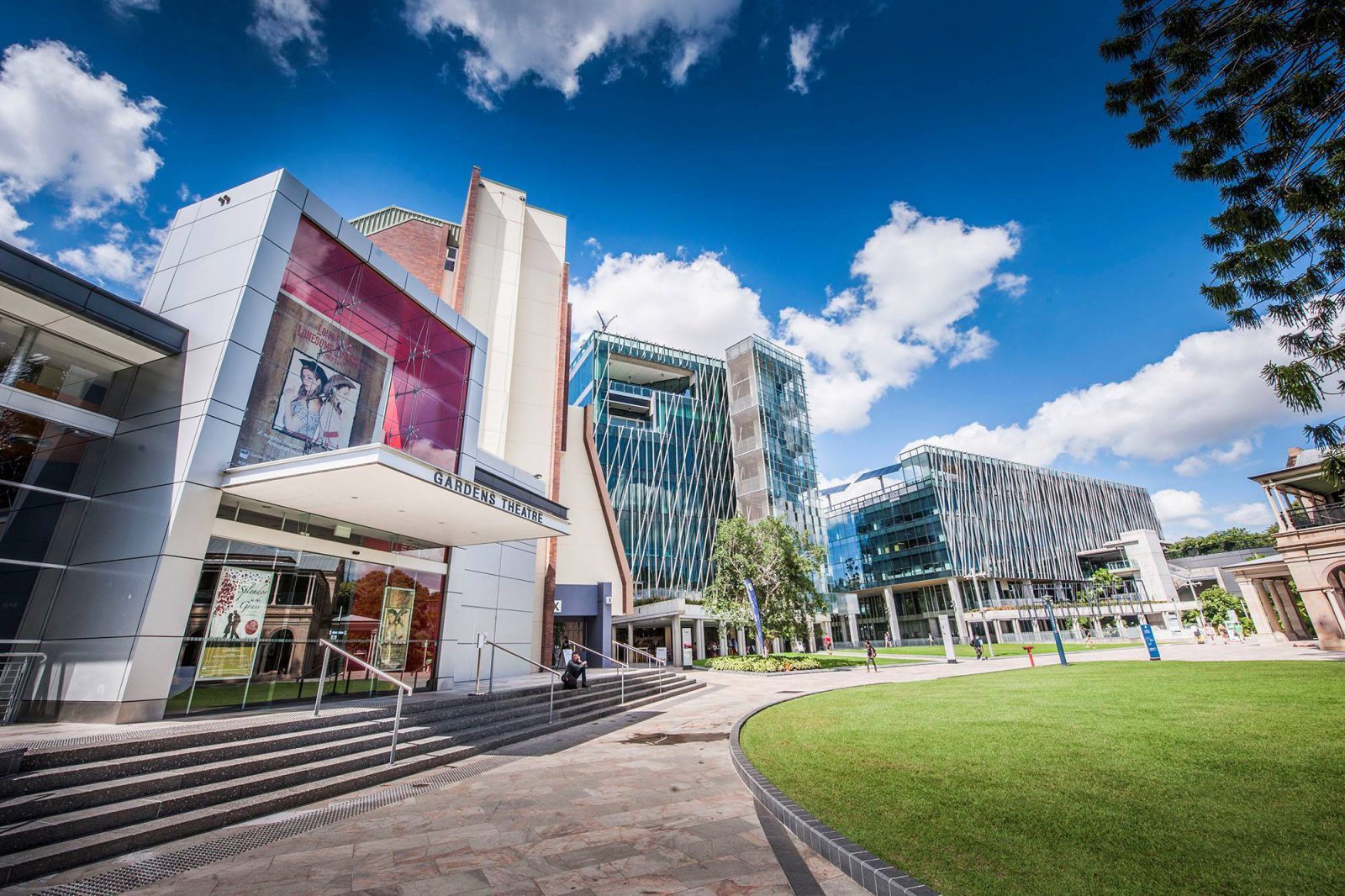
The position sits inside the Central Analytical Research Facility, or CARF, on the Gardens Point campus in Brisbane. It supports academic researchers and industry partners who need next-generation sequencing services. Fixed-term for two years, full-time, with a package that lands between $111,341 and $120,557 including super and leave loading.
Work covers both new and established sequencing methods. You will run Illumina short-read sequencing, Nanopore long-read work, single-cell RNA sequencing, and older microarray approaches. Daily tasks include preparing samples from cells or tissue, checking nucleic acid quality, performing enzymatic and mechanical library prep, and troubleshooting when runs go sideways.
The role also involves training other users so they can operate equipment safely and get reliable data. You will field questions from internal teams and external clients, help set up projects that respect ethics and intellectual property rules, and look for small process improvements that save time or reduce errors.
Applications opened on 27 July 2026 and close 17 August 2026 at 11:30 pm. That gives you a tight window. Strong candidates usually have a degree in molecular biology, genetics or a related field plus hands-on experience with the exact techniques listed in the ad.
Key requirements include proven skill with cellular and tissue material handling, DNA and RNA extraction, quality checks, PCR, gel electrophoresis, and preferably some single-cell or long-read work. Experience training others in a shared facility helps, along with the ability to talk clearly to both researchers and commercial partners.
Most people waste their first application attempt by sending the same generic documents they used for the last five roles. The ad already tells you exactly what matters. Match your examples to those bullet points instead of hoping the committee fills in the blanks.
- Read the full position description twice and highlight every technical skill mentioned.
- Pull three specific projects from your recent work that show you have done those exact steps.
- Write a short cover note that names the technologies you have used and one result you delivered for a client or research group.
- Have a colleague who runs similar workflows check whether your examples are clear and credible.
- Submit through the official QUT system before the final weekend rush.
Bad habits that kill applications include long rambling letters that repeat the selection criteria word for word and resumes that bury relevant lab experience under unrelated admin tasks. Committees at places like CARF see dozens of files. They notice when someone has actually done the work versus someone who lists the words.

Genomics facilities across Australia keep expanding because researchers need reliable technical support to turn raw samples into usable data. A role like this gives you exposure to multiple platforms, regular interaction with both academic and industry users, and the chance to keep your own skills current on equipment that smaller labs cannot afford.
QUT already runs a Centre for Genomics and Personalised Health that connects similar capabilities to real health and agricultural questions. The technologist position sits at the practical end of that pipeline.
Check the full details and apply at the QUT portal or review the consolidated listing on Academic Jobs. Either route leads to the same opportunity.
One practical step this week: open your current resume and add bullet points that name the exact sequencing platforms and sample-prep methods you have used in the last two years. Send the updated version to yourself so it is ready when you start the application form.




.jpg)






Discussion
Be the first to comment on this article!
You’ll be asked to sign in before your comment is posted.