
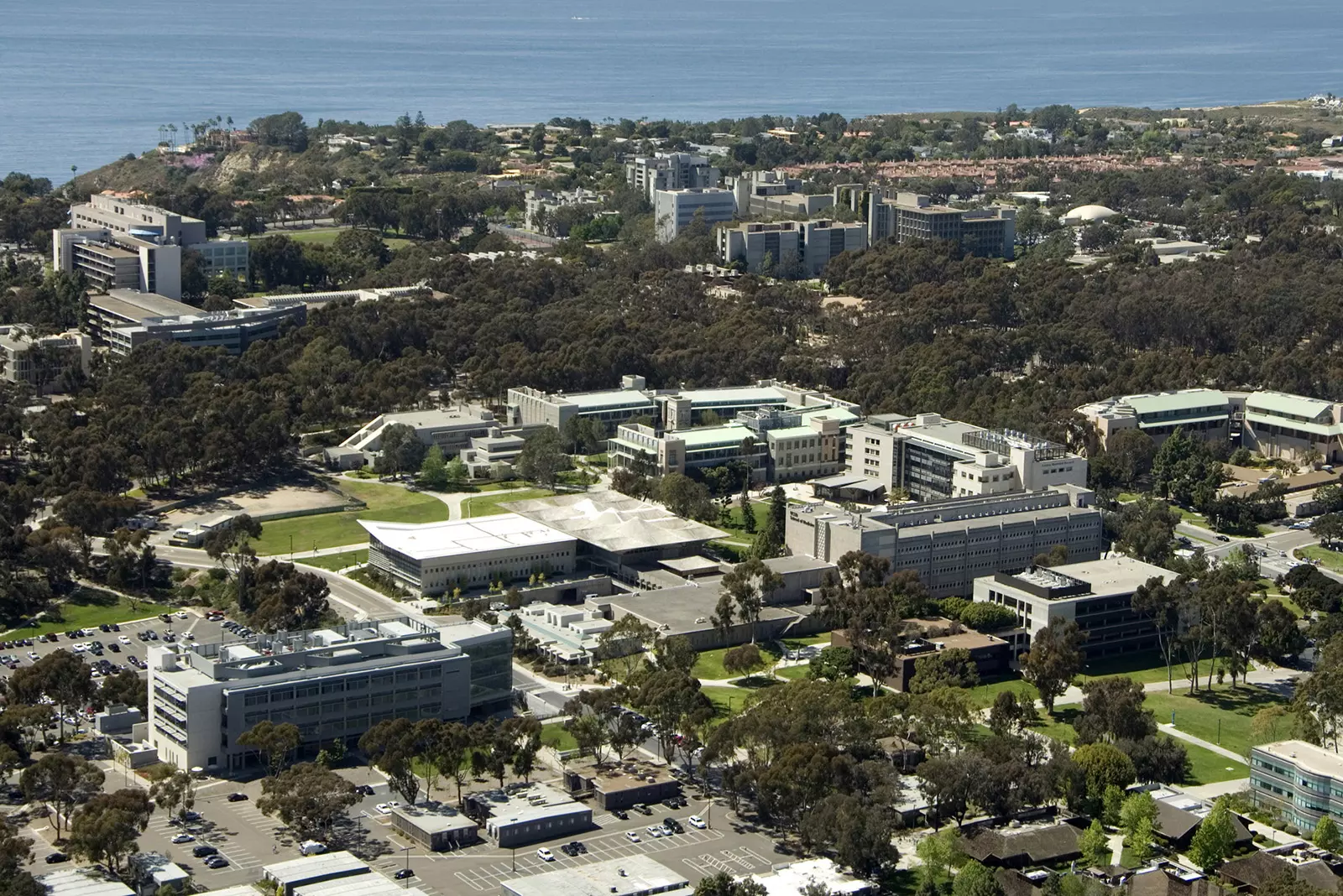
The University of California San Diego has opened a search for the next Director of the Halıcıoğlu Data Science Institute. The role carries a salary range of $200,000 to $400,000 and sits at the center of one of the largest recent investments in data science infrastructure at any public research university.
Recent Expansion at UC San Diego
In April 2026, alumnus Taner Halıcıoğlu pledged an additional $50 million, bringing his total support for data science at the campus to $125 million. That gift folded the existing institute together with the San Diego Supercomputer Center into the new Halıcıoğlu School of Data Science and Computing. The combined unit now commands substantial computing resources and a mandate to scale both education and center-scale research projects.
The institute itself began in 2018 with an earlier $75 million gift from the same donor. Its stated mission is to build the scientific foundations of data science, create new methods and infrastructure, and train students and partners to apply those tools to pressing problems.
What the Director Position Requires
The search description calls for an internationally recognized leader in data sciences who can combine intellectual vision with academic entrepreneurship. Primary tasks include charting a forward path for the institute inside the new school, recruiting and retaining faculty and staff, fostering interdisciplinary work across campus, expanding degree programs, and cultivating external partnerships and philanthropy.
Successful candidates will need demonstrated experience building collaborative research programs that cross traditional department lines. The search is being conducted by Isaacson, Miller; materials are accepted on a rolling basis.
Scale of Data Science Programs Nationwide
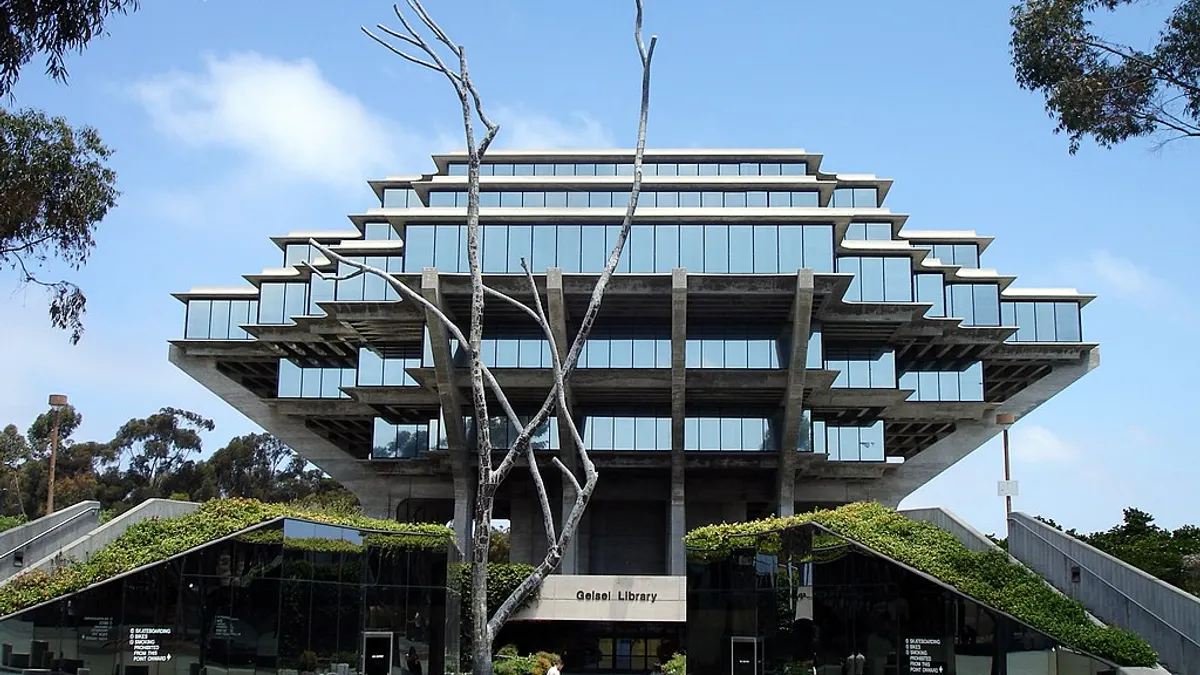
More than 1,000 data science or analytics degree programs now exist across U.S. universities. Enrollment in some established majors has tripled in less than a decade. That growth creates demand for leaders who can manage shared computing platforms, coordinate faculty from multiple disciplines, and keep research data reusable after project personnel move on.
One Lab's Experience with Data Infrastructure
A collaborator—call her Dr. K—spent three weeks re-collecting and re-documenting datasets that had been generated on a departed postdoc’s laptop during a multi-institution project. The data existed but lived in undocumented folders with no README or version control. Multiply that story by every lab working across institute boundaries and the scale of lost effort becomes clear. Surveys in several fields show that only a quarter to half of generated data ends up reusable and documented; the rest departs with the people who created it.
What This Means for Your Lab
A director who prioritizes shared folder structures, standardized metadata, and persistent computing allocations can reduce exactly that kind of rework. Labs gain access to documented datasets from neighboring groups, training programs that teach reproducible workflows from day one, and clearer pathways into large collaborative grants. The practical payoff shows up in weeks saved per project rather than in abstract policy statements.
Concrete Next Step
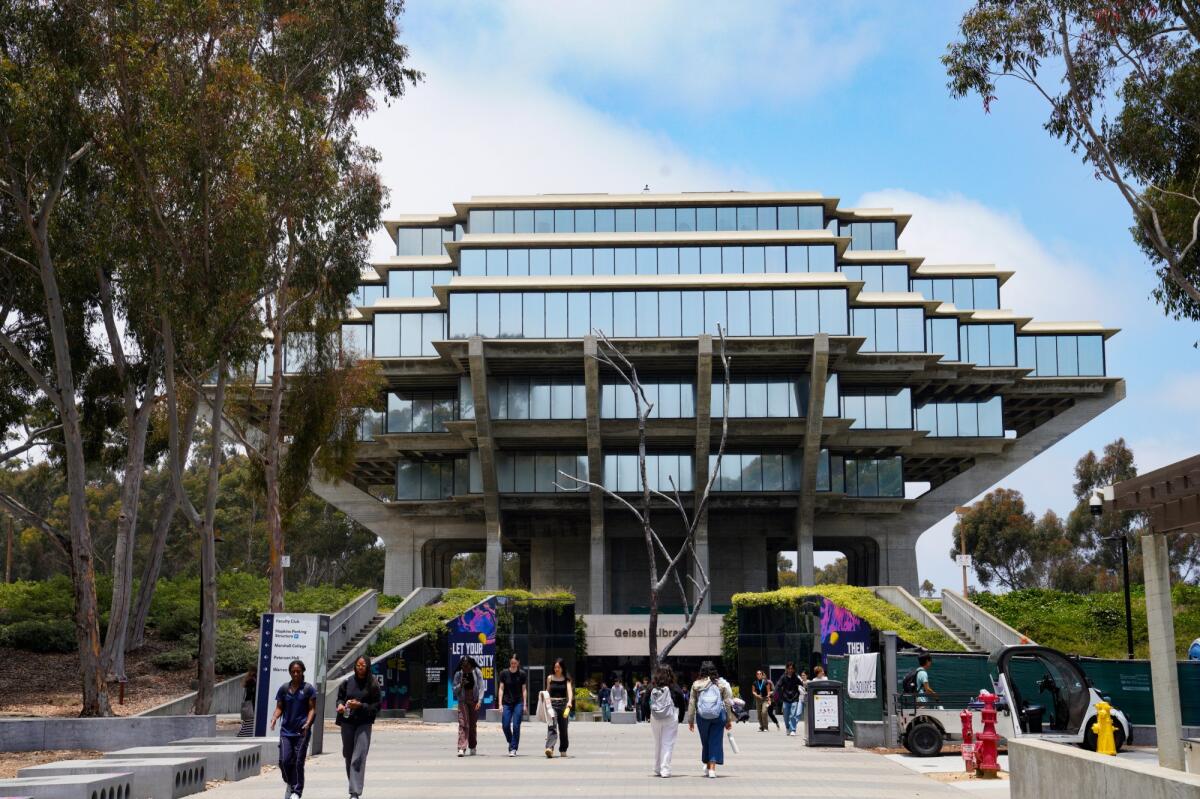
If you or a colleague are considering the role, review the full position description on the Isaacson, Miller site and prepare a statement that outlines a specific vision for scaling interdisciplinary research and data infrastructure at the institute. Applications move forward as they arrive.








 Jobs.jpg)



Discussion
Be the first to comment on this article!
You’ll be asked to sign in before your comment is posted.