
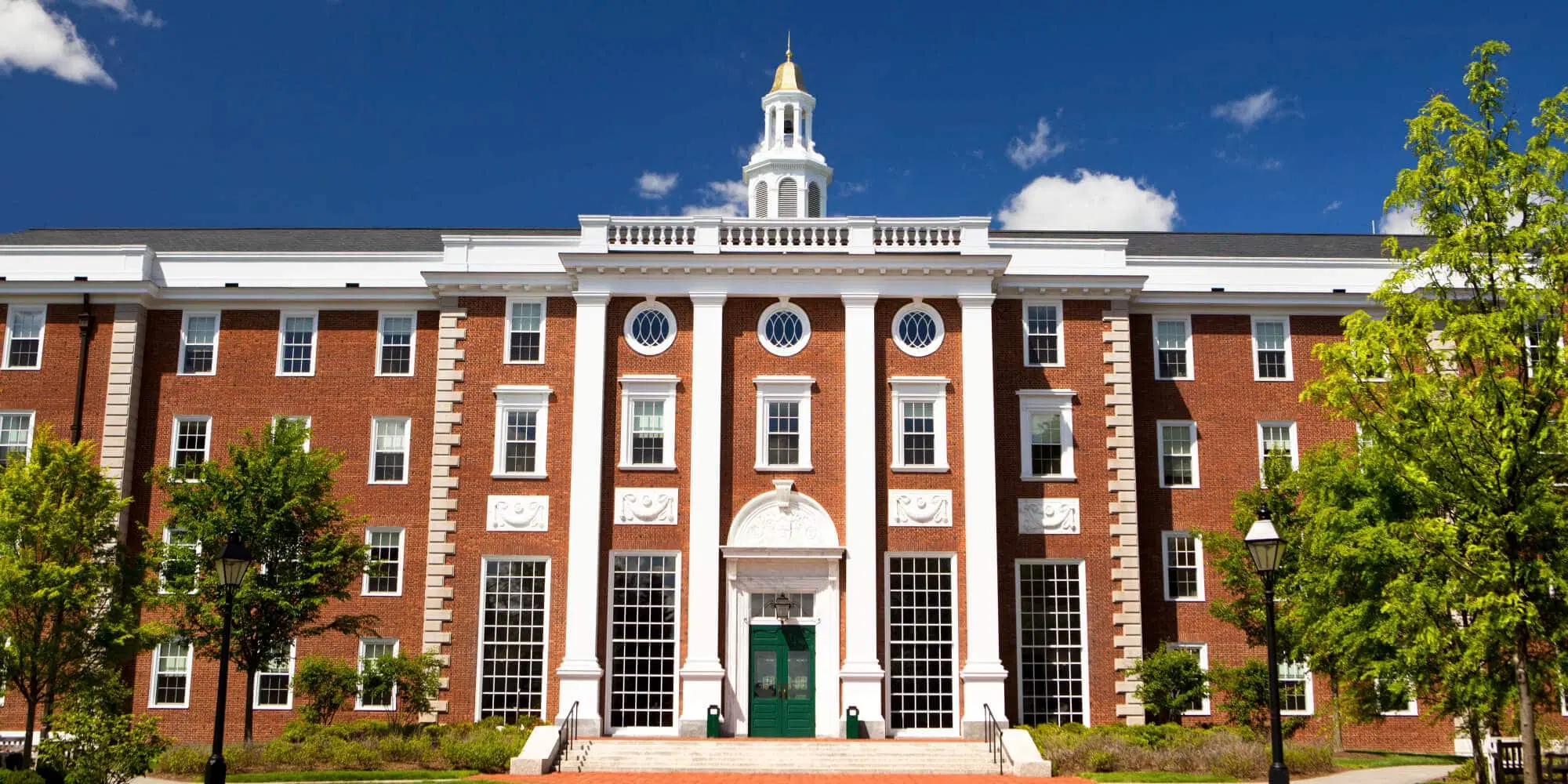
Harvard just put a student affairs role on the market that touches every undergraduate before they choose a concentration: Dean of First-Year Students. The job is posted in Cambridge, Massachusetts, and the careers portal carries it under job ID 2013. You do not need a Harvard degree to be taken seriously, but you do need to know what this job is actually managing.
Most people hear "dean of first-year students" and picture a person who fixes roommate conflicts during orientation. That is part of it. The bigger part is building the system that catches first-year students before they disappear quietly into academic trouble, homesickness, or isolation. At a place where nearly every student expects to succeed, the hard work is not gatekeeping. It is making sure a 17- or 18-year-old asks for help before the problem has a transcript number attached.
What the Role Actually Covers in Cambridge
At Harvard College, the first-year dean sits inside the student affairs structure that runs orientation, residential advising, and parent and family communication. The office works with proctors, resident deans, and academic advisers who are scattered across the Yard. That means the job is as much about coordination as it is about direct student contact. You are not running a one-person help desk. You are setting expectations for a network of adults who see students at different times and in different moods.
Harvard's first-year experience is unusually structured. Students live in entryways within the historic Yard, each with a proctor and a resident dean. The first-year dean helps make that residential layer connect with academic advising rather than competing with it. If you have run first-year programs at a public university with a centralized advising office, this will feel similar in principle but more diffuse in practice. You will spend significant time on alignment, not just programming.
That is also why the search committee will ask about cases, not concepts. They want to know what you did when a student stopped attending mandatory advising check-ins and nobody on the residential staff noticed for three weeks. Your answer should mention the specific people you called, the date you escalated, and what changed afterward.
The Posting Won't Tell You Everything
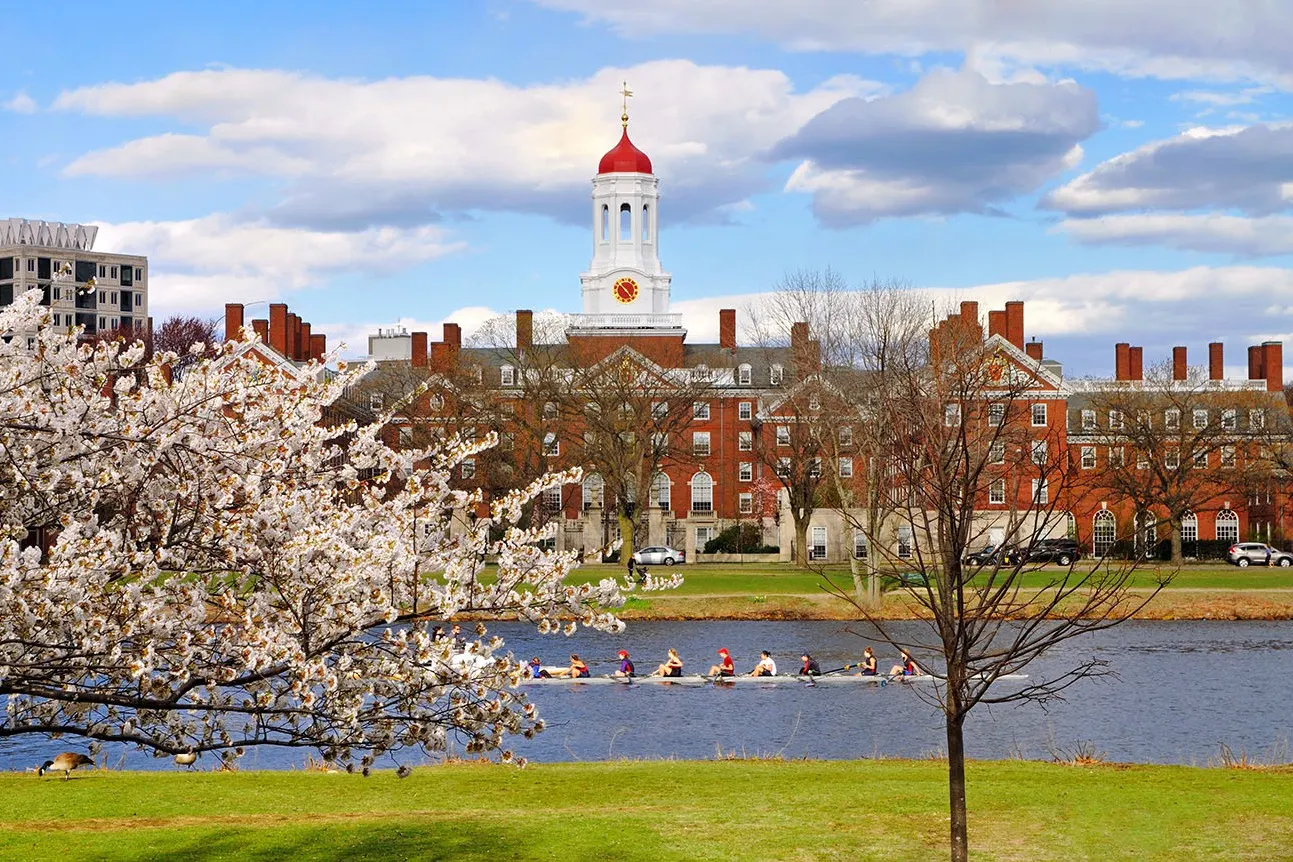
Harvard's public job ads are lean. The official posting gives you the basics: location, job ID 2013, and a list of responsibilities that sound broad until you read them through a first-year lens. But the real shape of the role becomes clearer when you read what the College publishes for incoming students. The Harvard College First-Year Experience Office describes the programs you would inherit or reshape, from pre-orientation to first-year advising.
One thing the ad does not include is a salary band. That is common for senior administrative roles at Harvard, and it should not stop you from applying. It does mean you need to ask about compensation at the first appropriate moment. If you are coming from a state institution with a published pay scale, the private university market will feel less transparent. Ask for the range when a recruiter contacts you, not in the first sentence of a cover letter.
You can compare how the role is being presented outside Harvard's own portal by looking at the same listing on AcademicJobs.com. This is useful for one reason: it shows you what other candidates see and lets you gauge the role against similar first-year dean positions across the country.
For wider context, the National Resource Center for the First-Year Experience and Students in Transition has documented for decades how coordinated first-year programs affect persistence. That is the research base most search committees expect you to know, even if they never mention it by name.
What Candidates Get Wrong
The most common mistake is treating this like a pure student affairs role. It is not. The first-year dean at an Ivy League research university has to speak the language of faculty committees, general counsel, campus safety, mental health services, and anxious families. If your cover letter leads with your love of student development theory and never mentions working with faculty or legal counsel, the committee will put it aside.
Another mistake is listing programs instead of outcomes. There are hundreds of administrators who have run orientation. Far fewer can say they cut summer melt for first-generation students by a measurable amount, shortened the time between an academic alert and a student meeting, or rebuilt a parent communication plan after a public incident. Lead with the second thing.
Here are five moves that will sharpen an application faster than another degree:
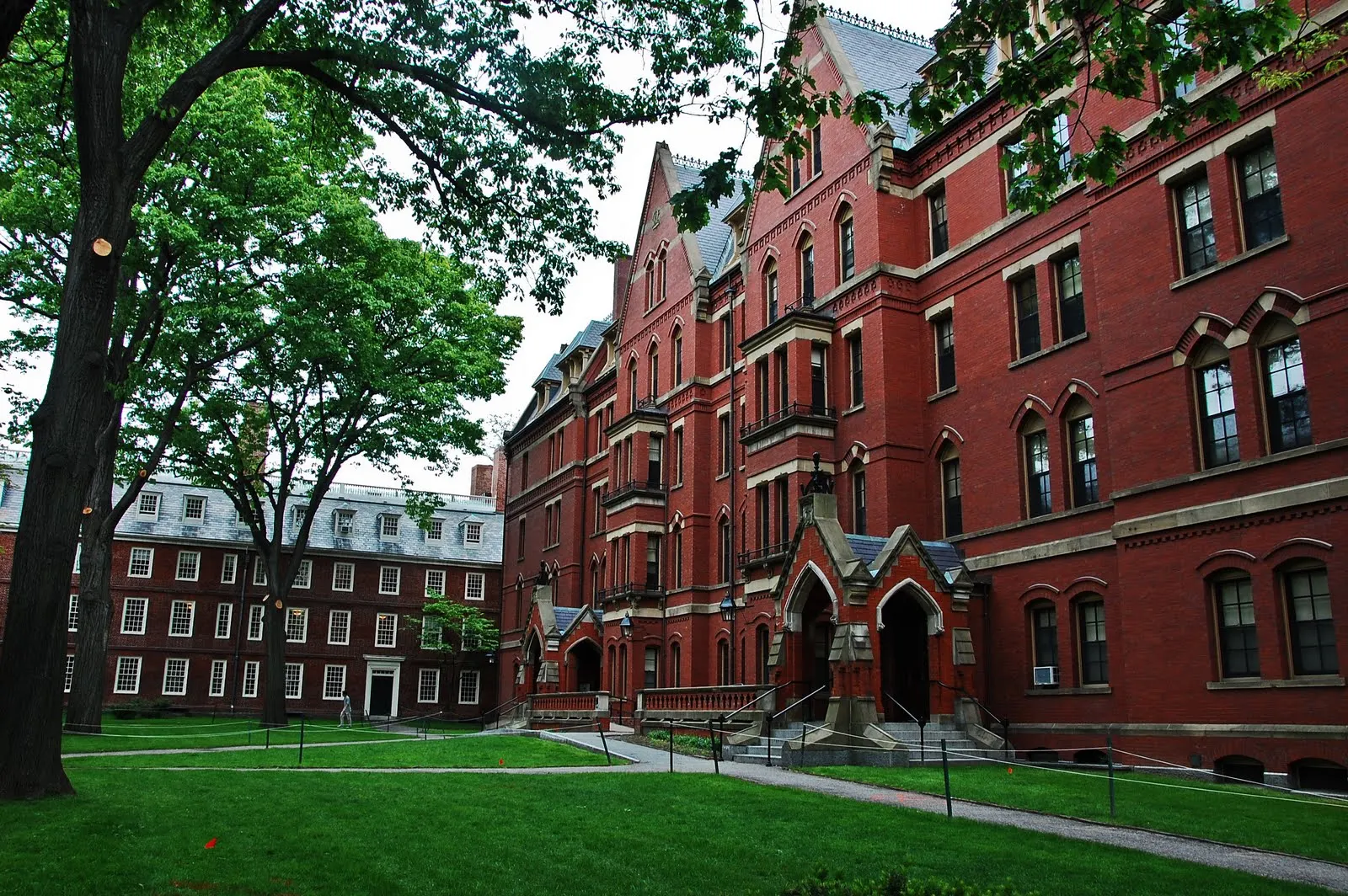
- Read the First-Year Experience Office site until you can describe entryway advising, proctors, and resident deans without notes.
- Write your cover letter around the first 90 days. Name the two or three people you would meet first and why.
- Take your last two performance evaluations and mark every result that ties to retention, advising response time, or family satisfaction.
- Ask a student affairs colleague outside Harvard to read the posting and tell you what they think the committee is hiding in plain sight.
- Clear thirty minutes this week to compare the Harvard role with at least two similar dean positions on the university jobs board.
The Hiring Timeline and Market Reality
Harvard does not run fast searches. Senior student affairs searches can take twelve to sixteen weeks from posting to finalist interviews. If you are applying from outside Massachusetts, plan for multiple rounds: an HR screen, a search committee video interview, and likely a campus finalist day that runs from morning until evening. Do not wait until the finalist invitation to think about relocation.
Cambridge is one of the most expensive higher education labor markets in the country. Housing costs will shape your decision more than the title does. If you are halfway through a job search and the salary band does not cover a move, say so early. It saves your time and the committee's.
This is also the kind of role that can change the shape of a career. Student affairs leaders who run a large first-year operation at a residential research university often move into associate vice president or vice president roles within a few years. The risk is that the job consumes every evening. First-year students have crises at 10 p.m., and the families have questions at 6 a.m.
How to Apply Without Wasting Your Shot
Use the official Harvard posting as your source of truth. Read the responsibilities, then write down the one phrase that you would change if you had the job for a semester. Committees remember applicants who can see the gap between what a job description promises and what a first-year student actually experiences.
Before you submit, ask yourself one question: Would I hand this cover letter to a resident dean at 11 p.m. on move-in day? If the answer is no, rewrite it until the answer is yes.
This week, download the posting and highlight every verb in the responsibilities section. If your last performance review does not give you a story for each verb, fix that gap now. A strong internal candidate will have the institutional knowledge. A strong external candidate will have the pattern recognition. The committee is looking for someone who can bring both.



Discussion
Be the first to comment on this article!
You’ll be asked to sign in before your comment is posted.