

James Cook University posted a lecturer ad that actually spells out the day-to-day work instead of hiding it behind ten paragraphs of legal language.
If you track animals, model their paths, or want to teach ecology in one of Australia’s richest field locations, this role lines up with real needs in tropical conservation.
What movement ecology covers and why it matters here
Movement ecology studies the causes, mechanisms and consequences of how organisms travel through landscapes and seascapes. Researchers combine GPS collars, camera traps, statistical models and long-term field data to understand migration routes, dispersal after habitat loss, and how invasive species shift their ranges.
In northern Queensland the questions are urgent. Land clearing, invasive predators and shifting rainfall patterns change how mammals such as rock-wallabies or northern bettongs use space. Data from movement studies directly informs fencing design, corridor planning and feral-cat control programs run by state agencies and Indigenous ranger groups.
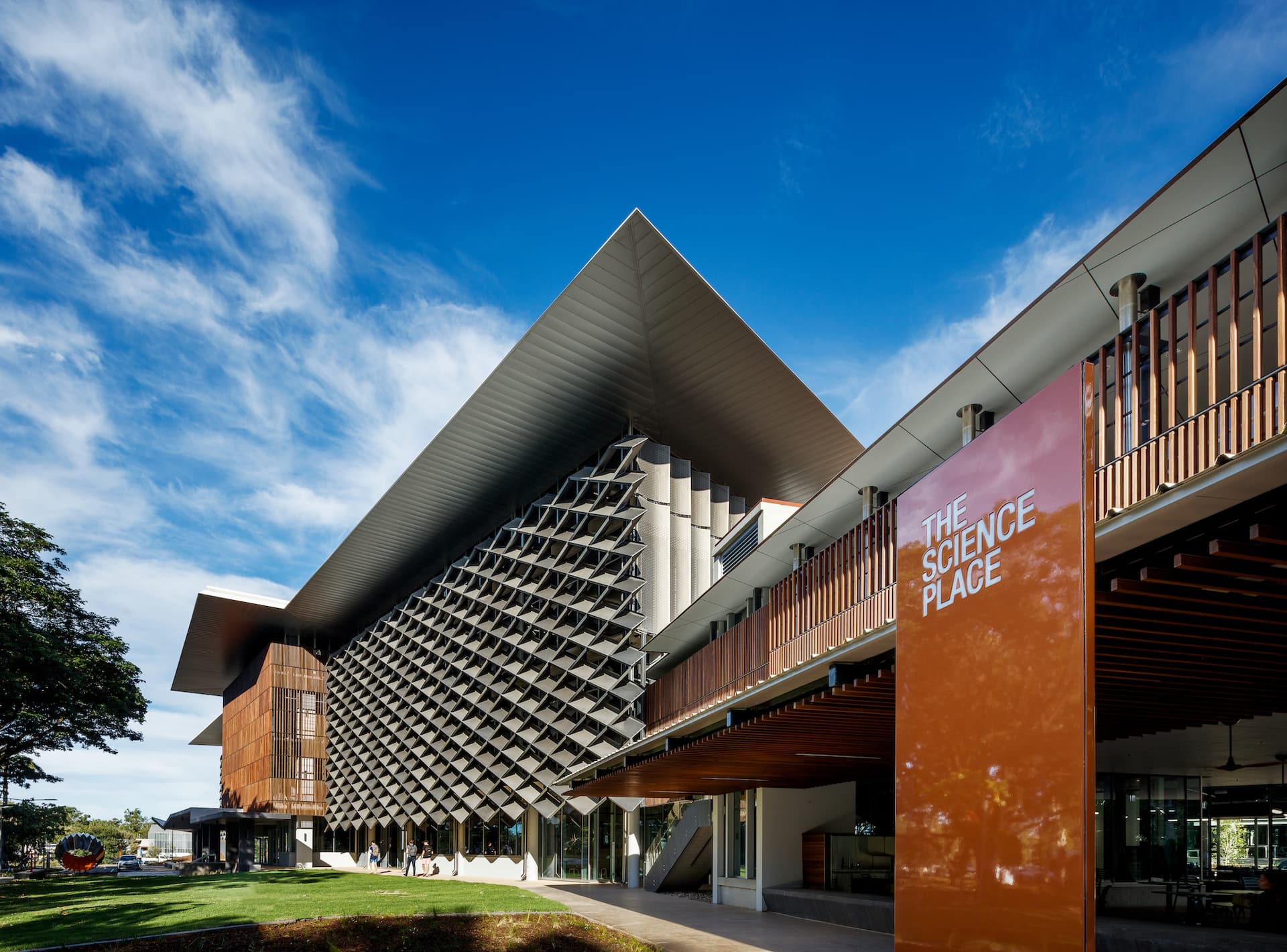
JCU’s Townsville campus sits minutes from savanna, rainforest and reef systems. Staff already publish on insect migration and mammal space use; the new lecturer will extend that work into spatial learning in mammals and the effects of fragmentation and climate change.

The role on offer
The continuing Level B position combines teaching in ecology and conservation biology with building an externally funded research program. You will supervise Honours and HDR students, contribute to undergraduate units, and run field projects that pair on-ground observation with modern tracking and analysis tools.
Selection criteria emphasise a developing research profile in animal movement ecology, evidence of teaching effectiveness, and the ability to attract competitive grants. Formal training in science education is viewed favourably but not mandatory.
Salary sits between $112,810 and $133,110 plus 17 percent superannuation. The role is full-time and based at the Bebegu Yumba campus.
Why this ad stands out
Most university postings bury the actual research focus under generic statements about “excellence” and “engagement”. This one names the core interest—spatial learning in mammals—and flags the environmental pressures the work should address. It also lists the practical skills required: field ecology paired with analytical or monitoring methods.
That clarity helps candidates decide quickly whether their track record matches. Strong applicants still need to show they can teach, supervise and win funding, but at least they know the scientific direction from the first paragraph.
Preparing a competitive application
Read the position description and selection criteria before you open your CV. Map every claim you make to one of the listed points.
- Update your resume with the three most relevant field datasets or papers, including exact methods and outcomes.
- Write a cover letter that opens with your movement-ecology experience and closes with how you would teach the core units at JCU.
- Prepare a separate document that addresses each selection criterion in order, using specific examples rather than general statements.
- Ask a colleague who has sat on hiring panels to review the package for clarity and fit.
Submit through the JCU careers portal by the 3 September 2026 deadline. Enquiries go to the Head of Zoology and Ecology.
Practical next step this week
Pull your strongest movement-related dataset or manuscript and rewrite its abstract so a non-specialist can see the conservation link. That single exercise will sharpen both your application and any future grant pitch.



Discussion
Be the first to comment on this article!
You’ll be asked to sign in before your comment is posted.