
Discover a Leadership Opportunity in Cultural Heritage at a Leading Tropical University
James Cook University (JCU) in Townsville, Queensland, is seeking a dynamic professional to take on the pivotal role of Manager, Cultural and Special Collections. This full-time position offers an annual salary range of $111,960 to $128,567 plus up to 17% employer superannuation, generous leave entitlements, and the chance to shape the stewardship of culturally significant materials in one of Australia's most distinctive regional universities.
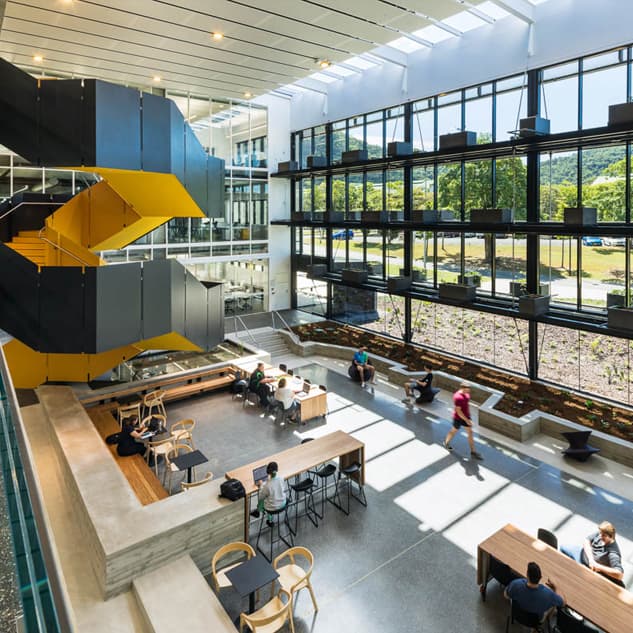
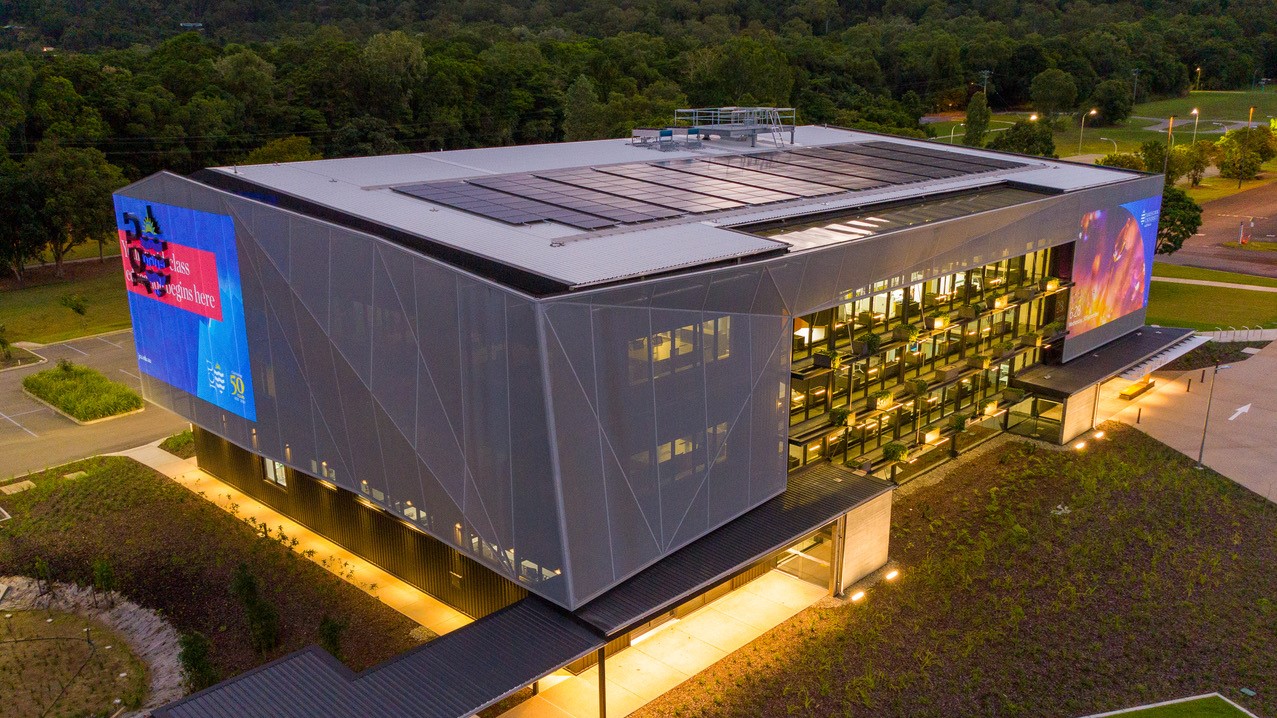
Located at the Bebegu Yumba campus in Townsville, the role sits within Library Services and places the successful candidate at the heart of preserving and promoting JCU's unique holdings. These collections reflect the rich history, culture, and environment of North Queensland and the broader tropics, including materials of particular importance to Aboriginal and Torres Strait Islander communities.
Understanding James Cook University and Its Commitment to the Tropics
JCU stands as a prominent institution dedicated to creating brighter futures through education and research that addresses local and global challenges. With campuses in Townsville and Cairns, plus study centres across Queensland and beyond, the university emphasises tropical expertise in fields ranging from marine science and environmental studies to Indigenous knowledge and health sciences.
The university's location in the tropics provides unparalleled access to unique ecosystems and cultural landscapes. This setting naturally informs its library collections, which prioritise materials documenting the social, historical, and natural heritage of the region. Special collections at JCU serve not only academic purposes but also foster connections with local communities, alumni, and international researchers interested in tropical studies.
The Vital Role of Cultural and Special Collections in Australian Higher Education
Special collections within university libraries encompass rare books, manuscripts, archives, photographs, maps, artworks, and other unique items that hold significant cultural, historical, or research value. Unlike general circulating collections, these materials require specialised handling, preservation strategies, and access protocols to ensure their longevity while maximising their utility for scholarship and public engagement.
In the Australian context, these collections often include substantial holdings related to Indigenous cultures. Proper management demands deep cultural competency, respect for protocols around sensitive materials, and collaboration with Traditional Owners. JCU's emphasis on Aboriginal and Torres Strait Islander collections aligns with national priorities for reconciliation and the recognition of Indigenous knowledge systems within academia.
Across Australian universities, special collections support interdisciplinary research, enrich teaching through primary source analysis, and contribute to community outreach via exhibitions and events. They help institutions define their identity and legacy while providing tangible links to the past that digital resources alone cannot replicate.
Key Responsibilities of the Manager, Cultural and Special Collections
The successful candidate will provide strategic leadership across the full lifecycle of JCU's culturally significant collections. Core duties include developing and implementing policies for preservation, conservation, and access; managing digitisation initiatives to enhance discoverability; and curating exhibitions and public programs that raise awareness of the university's cultural heritage.
Collaboration forms a cornerstone of the role. The manager will work closely with academic staff to integrate collections into teaching and research, partner with external organisations such as museums and archives, and engage with community stakeholders. Innovation in digital access and online services is expected, alongside traditional stewardship practices.
As a member of the Library leadership team, the position also involves staff supervision, resource allocation, strategic planning, and service evaluation to ensure alignment with JCU's broader institutional goals and pedagogical approaches.
Essential Qualifications and Experience for Success
Applicants must hold postgraduate qualifications in Library and Information Science, Cultural Heritage, Archives, Museum Studies, or a closely related field. Eligibility for Associate membership of the Australian Library and Information Association (ALIA) is required, underscoring the professional standards expected in this sector.
Extensive hands-on experience delivering client-centred services in library or cultural heritage settings is essential. This includes demonstrated expertise in information literacy, academic liaison, specialist collections management, and research support. Leadership experience managing teams, budgets, and complex operations in dynamic environments will be highly valued.
Cultural competency stands out as a critical requirement, particularly experience working with culturally sensitive materials from Aboriginal and Torres Strait Islander communities. Strong communication, stakeholder engagement, and partnership-building skills are necessary to foster relationships both within the university and with external groups. Proficiency in integrating information and communication technologies into library operations rounds out the profile.
Current Trends Shaping Special Collections Management in Australian Universities
University libraries across Australia are navigating a period of transformation driven by digital technologies, evolving user expectations, and a renewed focus on diversity and inclusion. Virtual reading rooms and digitisation projects have expanded access to rare materials, allowing researchers worldwide to engage with collections without physical travel.
Preservation challenges remain prominent, including the need for emergency management plans and sustainable conservation practices amid climate considerations relevant to tropical locations. Funding pressures and the demand for measurable impact have encouraged libraries to highlight the unique value of special collections in fundraising, alumni relations, and institutional branding.
Professional development through bodies like ALIA supports practitioners in staying current with best practices for description, access, and ethical stewardship. Regional universities such as JCU play a distinctive role by safeguarding collections that reflect localised histories often underrepresented in metropolitan institutions.
Impact on Research, Teaching, and Community Engagement
Effective management of cultural and special collections directly enhances the research capabilities of JCU staff and students. Primary sources from the tropics enable groundbreaking work in history, anthropology, environmental science, and Indigenous studies. Exhibitions and events derived from these collections create immersive learning experiences that complement classroom instruction.
Community benefits extend beyond the campus. Public programming can strengthen ties with North Queensland residents, support cultural revitalisation efforts, and contribute to tourism and educational initiatives in the region. Partnerships with Indigenous organisations ensure that collections are managed in culturally appropriate ways, promoting mutual respect and knowledge sharing.
By elevating the visibility of these holdings, the Manager position helps position JCU as a leader in tropical cultural heritage preservation, attracting collaborators, donors, and future students who value authentic connections to place and history.
How to Prepare a Competitive Application for This Role
Applications close on 20 July 2026 at 11:55 pm. Candidates should prepare a current resume alongside a tailored cover letter that explicitly maps their experience to the key selection criteria outlined in the position description.
Highlight specific achievements in collection development, digital initiatives, staff leadership, and work with Indigenous materials. Demonstrating an understanding of JCU's tropical focus and commitment to the region will strengthen an application. References to relevant professional networks or ALIA involvement can further illustrate alignment with sector standards.
Shortlisted applicants can expect a thorough recruitment process focused on both technical competencies and cultural fit. Preparing examples of strategic projects, stakeholder collaborations, and innovative service delivery will prove advantageous during interviews.
Broader Career Pathways in University Library and Cultural Heritage Roles
Positions like the Manager, Cultural and Special Collections represent senior opportunities within the library and information sector. Career progression often moves from specialist librarian or archivist roles into management, with increasing responsibility for strategy, teams, and institutional impact.
Related positions frequently appear at other Australian universities, state libraries, museums, and cultural institutions. Skills in digital preservation, community engagement, and cultural competency are in growing demand as institutions prioritise inclusive practices and technological advancement.
Professionals in this field contribute to a vital ecosystem that safeguards Australia's documentary and material heritage while supporting education and research. The combination of subject expertise, leadership, and interpersonal skills opens doors to executive library positions and advisory roles in heritage policy.
Looking Ahead: The Future of Special Collections in Higher Education
As higher education continues to evolve, special collections will remain essential anchors of institutional identity and scholarly resources. Advances in artificial intelligence and digital humanities promise new ways to analyse and present these materials, while ethical considerations around access and repatriation will require ongoing dialogue.
Regional universities like JCU are particularly well-placed to lead in areas such as tropical and Indigenous collections management. Investment in roles that combine traditional curatorial expertise with modern leadership and digital fluency will ensure these treasures continue to inspire future generations.
This opportunity at JCU offers not only a rewarding career move but also the chance to make a lasting contribution to cultural preservation in one of Australia's most unique environments.


