
Expressions of Interest Now Open for a Specialised PhD Opportunity in International Commercial Arbitration
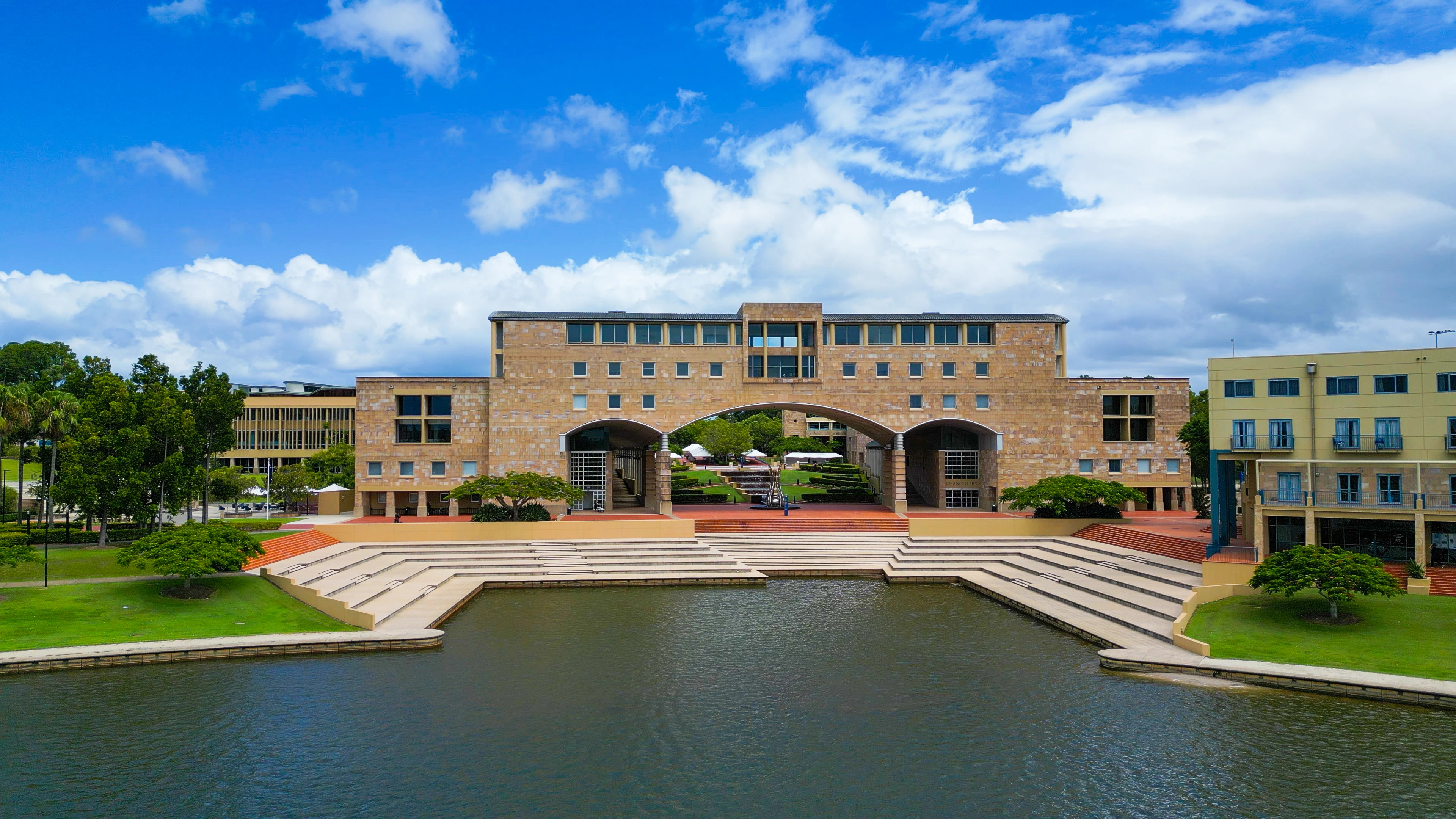
Bond University on Australia’s Gold Coast is inviting expressions of interest from qualified law graduates for a PhD focused on International Commercial Arbitration. This targeted call highlights the Faculty of Law’s commitment to advancing research in one of the most dynamic areas of global dispute resolution. Prospective candidates have until 14 August 2026 to submit their materials through the university’s dedicated portal.
International commercial arbitration serves as a preferred mechanism for resolving cross-border business disputes, offering parties greater flexibility, confidentiality, and enforceability compared to traditional court litigation. With global trade volumes continuing to expand and supply chains growing more complex, the demand for expert researchers and practitioners in this field has never been higher. Bond’s initiative positions successful applicants at the forefront of these developments.
The Research Focus Areas Driving This PhD Call
The doctoral project will centre on several core themes within international commercial arbitration. Candidates are encouraged to explore the governing law of the arbitration agreement, including the intricacies of choice-of-law clauses and multi-tier dispute resolution mechanisms. Another key area involves consent to arbitrate and the boundaries of party autonomy, examining how far parties can shape their own dispute resolution processes.
Additional research questions address the enforceability of arbitration agreements and arbitral awards, alongside issues of arbitrability and public policy considerations. Mandatory arbitration of specific disputes also features prominently. Comparative studies drawing on different jurisdictions are explicitly welcomed, allowing candidates to propose original projects that align with their expertise while remaining within the broad scope outlined by the supervisors.
This structured yet flexible framework enables deep scholarly inquiry into practical challenges faced by businesses, legal practitioners, and arbitral institutions worldwide. Successful theses could contribute meaningful insights to ongoing debates about harmonisation of arbitration laws and the evolving role of technology in proceedings.
Why Bond University’s Faculty of Law Stands Out for Arbitration Research
Bond University has built a strong reputation for delivering high-quality legal education and impactful research. The Faculty of Law emphasises professional relevance alongside academic rigour, fostering an environment where students and researchers engage with real-world issues. Its location on the Gold Coast provides a vibrant setting that supports both focused study and access to professional networks across Australia and the Asia-Pacific region.
The university’s approach to higher degree research includes personalised supervision, access to extensive resources, and opportunities for collaboration. Candidates benefit from a supportive community that values student wellbeing and professional development. This PhD call aligns with Bond’s broader strategy of nurturing niche research excellence in areas such as international dispute resolution.
Expert Supervision from Leading Academics in the Field
Successful applicants will work under the guidance of Dr Louise Parsons and Dr Winnie Jo-Mei Ma, both recognised experts in international commercial arbitration. Dr Parsons brings extensive experience in private international law, civil remedies, and the legal aspects of emerging technologies. Her background includes coaching teams for the Willem C. Vis International Commercial Arbitration Moot, providing students with practical insights into arbitral advocacy.
Dr Ma specialises in international commercial arbitration and private international law, with a distinguished career that includes roles in arbitral institutions and teaching appointments across multiple jurisdictions. Her research often examines the law applicable to the substance of arbitral disputes and harmonisation of judicial approaches to arbitration agreements. Together, the supervisors offer complementary perspectives that enrich the doctoral experience and support high-quality, publishable outcomes.
The Growing Significance of International Commercial Arbitration Globally and in Australia
International commercial arbitration has emerged as the dominant method for resolving disputes arising from cross-border contracts. Its advantages include party autonomy in selecting arbitrators and procedural rules, neutrality of the forum, and widespread enforceability of awards under the New York Convention. As international trade and investment continue to flourish, particularly in the Asia-Pacific, the need for sophisticated research into arbitration practices grows accordingly.
Australia maintains a pro-arbitration stance, with legislative frameworks supporting efficient proceedings and minimal court intervention. Recent global trends point to increased focus on efficiency measures, the integration of technology such as electronic filings and virtual hearings, and greater attention to sustainability and ESG considerations in disputes. Geopolitical shifts and regulatory changes are also generating new categories of commercial conflicts that arbitration is well-positioned to address.
Researchers entering the field today can influence how arbitration adapts to challenges like sanctions regimes, cryptocurrency disputes, and climate-related commercial issues. A PhD from Bond equips graduates to contribute to these conversations through academic publications, policy work, or practice.

Eligibility Requirements and What Makes a Strong Application
Applicants must hold a Master of Laws, Juris Doctor, or Bachelor of Laws with Honours. Demonstrated experience in completing a substantial research project, such as a master’s or honours thesis, is essential. Strong legal analysis, writing skills, and the ability to work collaboratively are also required.
Desirable attributes include prior study in arbitration, evidence of project management capabilities, and a track record of peer-reviewed publications. Candidates should be prepared to reside full-time on the Gold Coast campus and meet all standard Bond University PhD entry requirements.
The expression of interest package includes a two-page statement outlining interest in the research areas and a proposed topic, a one-page response to selection criteria, a current CV with academic referees, transcripts, and a sample of written academic work. These materials allow the faculty to assess both academic preparedness and alignment with the project’s objectives.
Financial Support, Scholarships, and Additional Opportunities
Eligible Australian and New Zealand citizens, along with permanent residents, can access tuition fee waivers through the Research Training Program. International students may qualify for partial waivers. The successful candidate will also be encouraged to apply for living stipend scholarships, with the current full-time rate set at $34,315 AUD per annum for 2026.
Beyond funding, the role offers potential employment as a research assistant or tutor within the Faculty of Law, subject to availability and program requirements. Industry internship opportunities through Bond’s networks provide valuable real-world experience, allowing researchers to apply their expertise to practical challenges while building professional connections.
These supports reflect Bond’s investment in developing the next generation of legal scholars and practitioners equipped to handle complex international disputes.
Career Pathways and Long-Term Impact of This Research Degree
A PhD in International Commercial Arbitration opens doors to diverse careers. Graduates often pursue academic positions at universities in Australia and overseas, contribute to arbitral institutions, or join leading law firms specialising in dispute resolution. Others move into policy advisory roles with governments or international organisations focused on trade and investment frameworks.
The skills developed—advanced legal research, critical analysis of cross-jurisdictional issues, and the ability to produce high-quality scholarly work—transfer readily to consultancy, in-house counsel positions, and even judicial clerkships. In an era of increasing cross-border commerce, expertise in arbitration remains highly sought after.
Completing this degree at Bond positions graduates to make meaningful contributions to the field, whether through teaching the next cohort of law students, shaping institutional rules, or advising on high-stakes commercial matters.
How This Opportunity Fits Within Australia’s Higher Education Landscape
Australia continues to attract international research students due to its world-class universities, supportive funding mechanisms, and strategic location in the Asia-Pacific. Law faculties across the country are expanding offerings in specialised areas like alternative dispute resolution to meet industry needs.
Bond’s call for expressions of interest exemplifies how individual institutions are proactively identifying and nurturing talent in niche yet globally relevant fields. It complements broader national efforts to strengthen research capacity in areas that support economic competitiveness and legal innovation.
Prospective candidates considering options in Australia will find this opportunity particularly appealing for its focused supervision, clear research agenda, and tangible support structures.
Preparing Your Expression of Interest and Next Steps
Candidates should begin by reviewing the detailed research themes and reflecting on how their background and interests align. Developing a concise yet compelling research proposal that demonstrates originality and feasibility is key. Reaching out to the Faculty of Law for preliminary enquiries can provide additional clarity before submission.
Attention to the application components—particularly the written statements and sample work—helps showcase readiness for doctoral-level inquiry. Early preparation allows time for refinement and ensures all materials meet the specified formats and page limits.
With the deadline approaching on 14 August 2026, interested graduates are encouraged to act promptly to position themselves for this specialised research pathway.

Looking Ahead: The Future of Arbitration Research and Education
As international commerce evolves, so too will the questions facing arbitration practitioners and scholars. Topics such as the use of artificial intelligence in arbitral decision-making, the handling of climate-related commercial disputes, and the interplay between arbitration and regulatory frameworks are likely to gain prominence.
Bond University’s initiative ensures that emerging researchers are prepared to address these developments. By fostering rigorous, comparative, and practically oriented scholarship, the program contributes to a stronger, more adaptive global arbitration ecosystem.
For law graduates passionate about dispute resolution and international law, this PhD opportunity represents a timely chance to deepen expertise and influence the field’s trajectory.



Discussion
Be the first to comment on this article!
You’ll be asked to sign in before your comment is posted.