Most theological job adverts ask for a generalist. This one asks for someone who can teach mission as a discipline and do mission as a practitioner.
The Church of Ireland Theological Institute (CITI) in Dublin has advertised a Lecturer in Missiology and Pioneer Ministry. If you read the title quickly, you might file it under another academic post. That would be a mistake. The wording tells you exactly what the Church of Ireland wants to form in its clergy and lay leaders over the next decade.
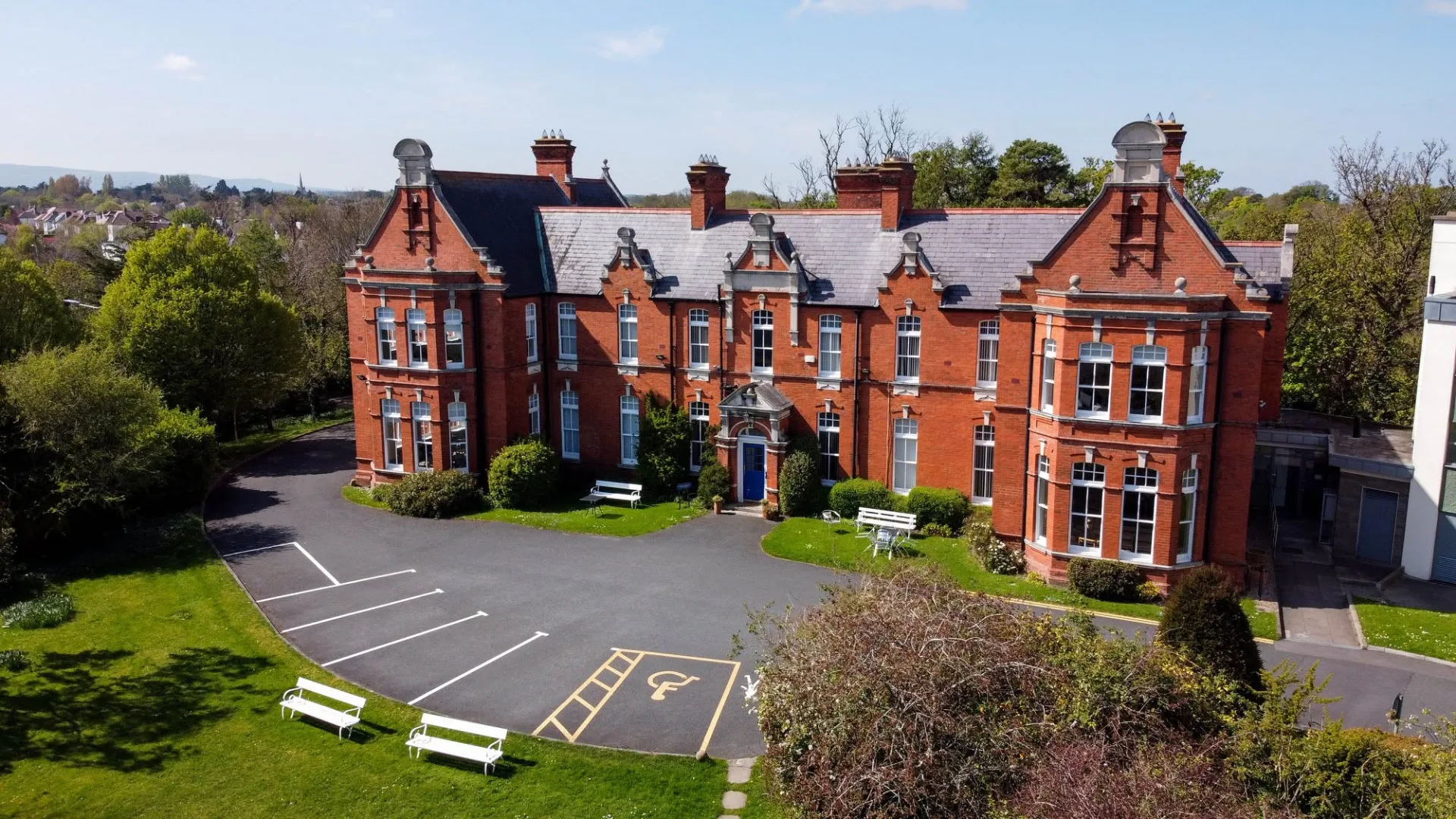
CITI is the Church of Ireland's centre for ministerial formation. It sits in Braemor Park, Dublin, and draws candidates from dioceses across both the Republic of Ireland and Northern Ireland. The institute's site carries the full particulars. The short version is that the successful candidate will teach missiology and help shape how pioneer ministry is learned and practised.
The title carries more than an academic specialism
Missiology sounds like a niche. In a theological college, it is the discipline that asks why the church exists beyond itself. It covers the theology of mission, the history of missionary movements, cultural engagement, evangelism, and the ethics of Christian witness. It is not a museum subject.
Pioneer ministry sharpens that question into a practical one. A pioneer minister starts or nurtures a Christian community where inherited parish patterns are not reaching people. In an Irish context, that could be a congregation meeting in a school in a rapidly growing Dublin suburb, a café church in a market town, a bilingual community serving recently arrived families, or an online congregation connecting people who cannot get to a Sunday service. The models differ; the task is the same.
CITI is not creating a post for someone to talk about mission from a distance. The role sits at the point where reading lists meet placements, supervision, and the first years of ordained ministry.
Why this hire matters for the Church of Ireland right now
The Church of Ireland is an all-island Anglican province with two political contexts, two education systems, and a wide range of parish realities. Some areas have strong Sunday attendance and growing schools. Others are rural unions where several small churches share one minister and energy is spread thin. Pioneer ministry works differently in those settings, and good teaching has to face that variety honestly.
The Anglican Communion has long used the Five Marks of Mission as a shared framework for mission. The Church of Ireland lists mission resources in line with that framework. For a lecturer in missiology, the marks are not administrative wallpaper; they are a working reference point for what the church thinks mission includes. You can read the full text on the official Anglican Communion website.
The Church of Ireland's own mission pages show how it applies those marks across ministry, outreach, and education. A candidate who reads the Church of Ireland's mission resources before interview will understand the ground better than one who arrives with only a teaching abstract.
What the daily work will likely require
A post like this usually carries four distinct responsibilities. You will teach, which means preparing seminars and lectures for ordinands and possibly lay readers. You will supervise, which means walking with students who are testing pioneer ideas in real congregations. You will research, because a theological institute needs public writing and thinking that serves the wider church. And you will accompany, because pioneers rarely succeed without someone who asks good questions at the right time.
That fourth strand is the one many academic CVs do not make obvious. If you can name the people you have accompanied, not just the papers you have delivered, your application will read differently.
The candidate pool is small, so the process should be quick
Faith-based academic roles in a niche like missiology do not attract hundreds of qualified applicants. The group that fits tends to include experienced clergy with doctorates, lay pioneers with research records, and mission agency staff who have been starting congregations for years. That group will not wait six months for a committee to reconvene.
If you are serious about this post, apply early and take the official published timeline seriously. The best test of whether an institute values applicants is how clearly it states its deadlines, shortlisting, and interview process. If something is unclear, ask the named contact before you spend a weekend on the paperwork.
How to apply without padding your dossier
Start with the official page on the CITI website. Do not send a generic academic CV and a three-page letter about your teaching philosophy. This post is specific, and the application should be specific.
Before you write, make sure you can answer one question in a single paragraph: where have you helped a Christian community form where one did not exist before?
- Read the full particulars on the CITI site before drafting anything.
- Name the modules or teaching areas where your experience fits the missiology syllabus.
- Give one concrete piece of practice-based evidence: a church plant, a supervised placement, a training event, or a research project tied to a live community.
- Ask the hiring contact what the first year should accomplish, then show how you would get there.
The vacancy is listed on AcademicJobs.com with a direct application link to the institute's own recruitment portal. Use the full academic job listing rather than emailing a speculative CV to a general address.
What the Church of Ireland expects from its ordinands
CITI's formation model is not a three-year retreat from the parish. Students spend time in parish placements and contextual learning. For a missiology lecturer, that means the classroom is never far from a church hall, an estate, or a new worshipping community. The post is likely to include close work with placement supervisors, not just exam boards.
This is why the personal statement matters. A committee can read your publications list, but it needs to see that you can help a nervous student test a small congregation without pretending every experiment succeeds. Pioneer ministry produces as many first failures as first congregations; good teaching works with that truth instead of hiding from it.
The hiring market around missiology and pioneer posts
Across the Anglican Communion, seminaries and dioceses have created pioneer or fresh expressions roles over the past twenty years, often with short-term funding. CITI's decision to advertise this as a lecturer post, rather than a project officer or missioner role, matters. It places pioneer ministry inside the teaching faculty rather than outside it.
For candidates, that is a signal about institutional seriousness. A lectureship has a different standing, research expectation, and formation role than a fixed-term mission post. Ask whether the contract and review structure match that standing before you accept an offer.
What to find out before the interview
No job ad tells you everything. Before you sit down with the panel, get clear answers on four practical points: teaching load, the relationship between this post and placement supervision, protected research time, and whether pioneer ministry is treated as a core subject or an elective. These are not small details. They determine whether you will be able to practise what you teach.
If the panel cannot answer them, that is useful information too. A college serious about pioneer ministry will have thought through how the role meets the field.
One practical move this week
Do not wait for the perfect opportunity to edit your application into shape. Write three paragraphs: one on what missiology means when it is actually done, one on a pioneer ministry project you have seen or led, and one on the question you would ask a new ordinand before their first placement. That short exercise will tell you whether this post is worth the effort.