

At a glance
Queensland University of Technology is seeking a Manager, Analytics Capability and Engagement in Digital Business Solutions. The role pays $145,985 to $163,281 plus 17% super and closes 1 November 2026.

Queensland University of Technology opened a senior analytics post on 20 October 2026 that closes at 11.30pm on 1 November 2026. The Manager, Analytics Capability and Engagement sits in Digital Business Solutions, the university's central technology arm, and reports to the Associate Director, Data and Analytics. It's an ongoing, full-time position based at Kelvin Grove with a hybrid option, and it comes with a total package of between $172,761 and $193,229 a year.
That figure matters more than the base salary because it includes 17 per cent superannuation and 17.5 per cent recreation leave loading on top of a base range of $145,985 to $163,281. The classification is Higher Education Worker Level 10, the top professional staff band at QUT. The reference number for the application is 26577.
What the Role Actually Does
The job is not to build dashboards. QUT already has analysts, data engineers and governance specialists for that. This manager leads the connective layer between those specialist teams and the faculties, divisions and institutes that consume what they produce.
- Convert QUT Strategy 2036 and the QUT Digital Strategy into coordinated operational plans, measurable outcomes and practical initiatives for Data and Analytics.
- Run the Data and Analytics demand management cycle, including intake, qualification, prioritisation support, routing, backlog visibility and delivery coordination across Analytics, Data and the governance stream.
- Assess each request against business outcomes, strategic contribution, readiness, dependencies, risk, reuse potential, effort and available capacity, then give clear advice on delivery pathways.
- Act as the clear engagement point for Data and Analytics, building trusted working relationships with senior leaders across faculties, divisions, governance groups and strategic initiatives.
- Design and deliver data literacy, analytics literacy and AI readiness initiatives, including workshops, learning pathways, communities of practice, guidance and targeted capability programs.
- Lead communication, engagement, onboarding and adoption planning for Data and Analytics products and services, and monitor what blocks sustained use.
- Prepare decision-quality reporting on demand, engagement, adoption, reuse, information ownership, stewardship, data quality and capability maturity for leadership and governance forums.
- Lead, coach and develop the specialist staff under the position, setting priorities and quality standards.
The reporting line is telling. This role reports to the Associate Director, Data and Analytics for career planning and performance expectations, which means it sits inside the Data and Analytics functional leadership rather than in a faculty or marketing silo.
Remuneration, Benefits and the Market Comparison
Let's state the base rate before the exception. Jora's current Brisbane listings put the average advertised salary for an analytics manager at roughly $145,000 a year, with a typical range between $135,000 and $155,000. Glassdoor's Brisbane estimates run from about $141,000 to $161,000 in base pay, with around $15,000 more in additional cash. QUT's base range of $145,985 to $163,281 sits squarely within that market envelope.
The reason total package reaches $193,229 is structural. QUT pays 17 per cent superannuation, well above the 12 per cent superannuation guarantee that became the legal minimum on 1 July 2025, and it adds 17.5 per cent recreation leave loading on top. A private-sector analytics manager advertising $150,000 base often doesn't include anything close to that. QUT sets out the components line by line in the position description.
There are other conditions that matter in a university setting. QUT lists parental leave of up to 26 weeks including super for primary carers, a purchased leave scheme of up to eight extra weeks, salary packaging, a Fitness Passport, discounted private health insurance and study assistance. For a senior professional staff hire, these are often worth more than the last five per cent of salary.

Why This Hire Says Something About Australian Universities
The 2025 Digital Pulse report from the Australian Computer Society found that 150,000 Australian businesses are already experiencing significant or severe shortages in digital capability, with data analytics among the most common skill gaps. Just over half of workers in the survey said they lacked at least one digital skill required for their role.
You can download the full position description to see the pay breakdown and the selection criteria in the university's own words.
QUT's answer to that problem is not to buy another tool. It is to hire someone whose entire job is to make analytics capability spread through an organisation of more than 50,000 students and thousands of staff. The role explicitly names AI readiness alongside data and analytics literacy, which mirrors the national picture. One precise data point from the ACS report: closing Australia's digital skills gap could add a further $25 billion in economic value by 2035.
A data analyst I worked with years ago, call her Dr. M, spent two quarters building a dashboard no faculty member ever opened. The dashboard wasn't the problem. Nobody had walked the people who needed it through what the numbers meant, and nobody owned the follow-up after launch. That's the gap this QUT role exists to close, and it's the difference between buying analytics and building analytics capability.
The Institution Around the Role
Digital Business Solutions runs seven business units and supports everything from learning and teaching platforms to research systems and professional services. The DBS operating model splits its work across Learning and Teaching, Research and Innovation, plus the professional services function, which means the Data and Analytics function serves academics and admin staff alike. The hybrid option is offered as part of QUT's commitment to more virtual and connected work, not as a perk bolted on for recruitment.
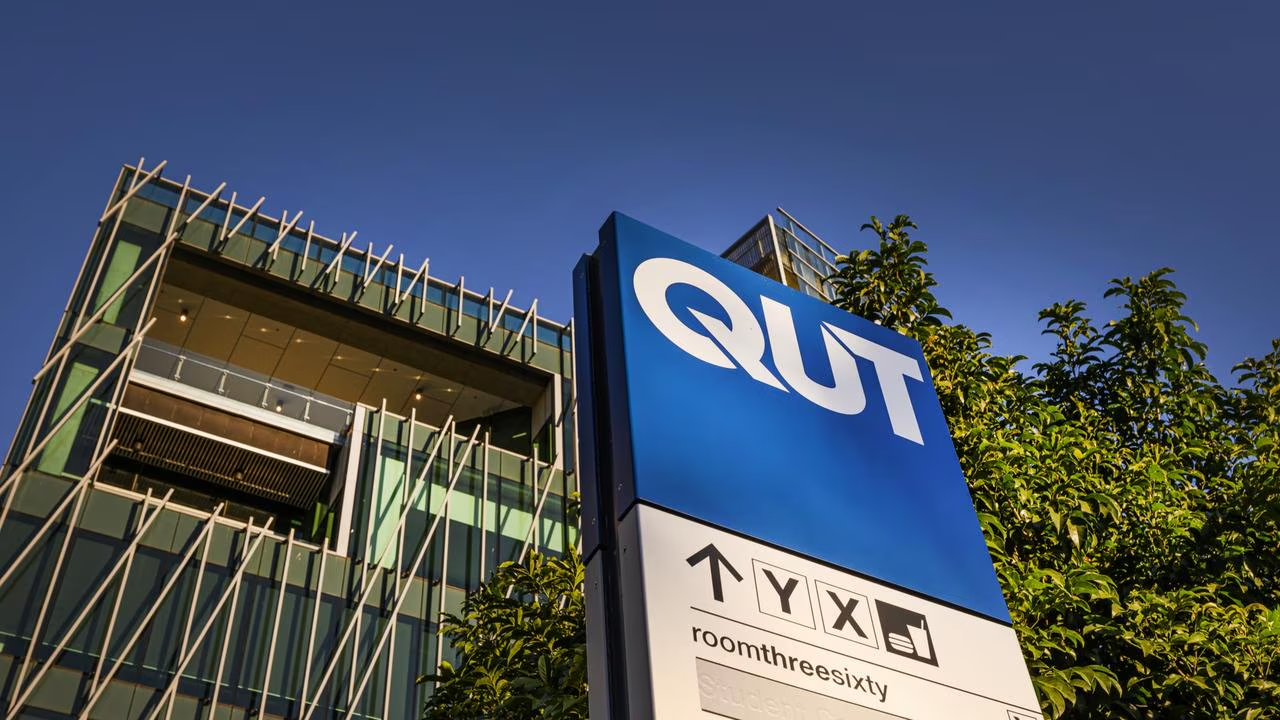
QUT itself is a young, two-campus university. Gardens Point sits beside the Brisbane River and the Botanic Gardens in the city centre, and Kelvin Grove, where this role is based, hosts the creative industries, education and health faculties alongside the main administrative technology teams. The university enrols more than 50,000 students and runs a free shuttle between the campuses every 15 minutes, which is a small thing that tells you something about how the institution thinks about movement between its sites.
What This Means for Your Application
QUT is not screening for a cert list. The selection criteria ask for education equivalent to postgraduate qualifications plus extensive experience in data and analytics, organisational development, digital enablement, service management or change. The demonstrable experience matters more than the label.
The strongest applicants will show they have done three things in a complex organisation: translated strategy into an operating plan, run a demand or service planning function, and designed capability or adoption programs that changed how people actually worked. The position description is explicit that QUT wants someone who can coach a multidisciplinary team, not someone who just manages deliverables.
Start with the full position description on the QUT careers page under reference 26577 and map your CV against the what-you-need-to-succeed criteria before writing a single sentence. If you have a question about the demand pipeline or the capability program, contact Jacques Vandenberg, the Acting Associate Director, Data and Analytics, who is named as the contact for the role. Applications close at 11.30pm on 1 November 2026.
- higher-education-careers
- brisbane-jobs
- university-professional-staff
- analytics-roles
- data-capability