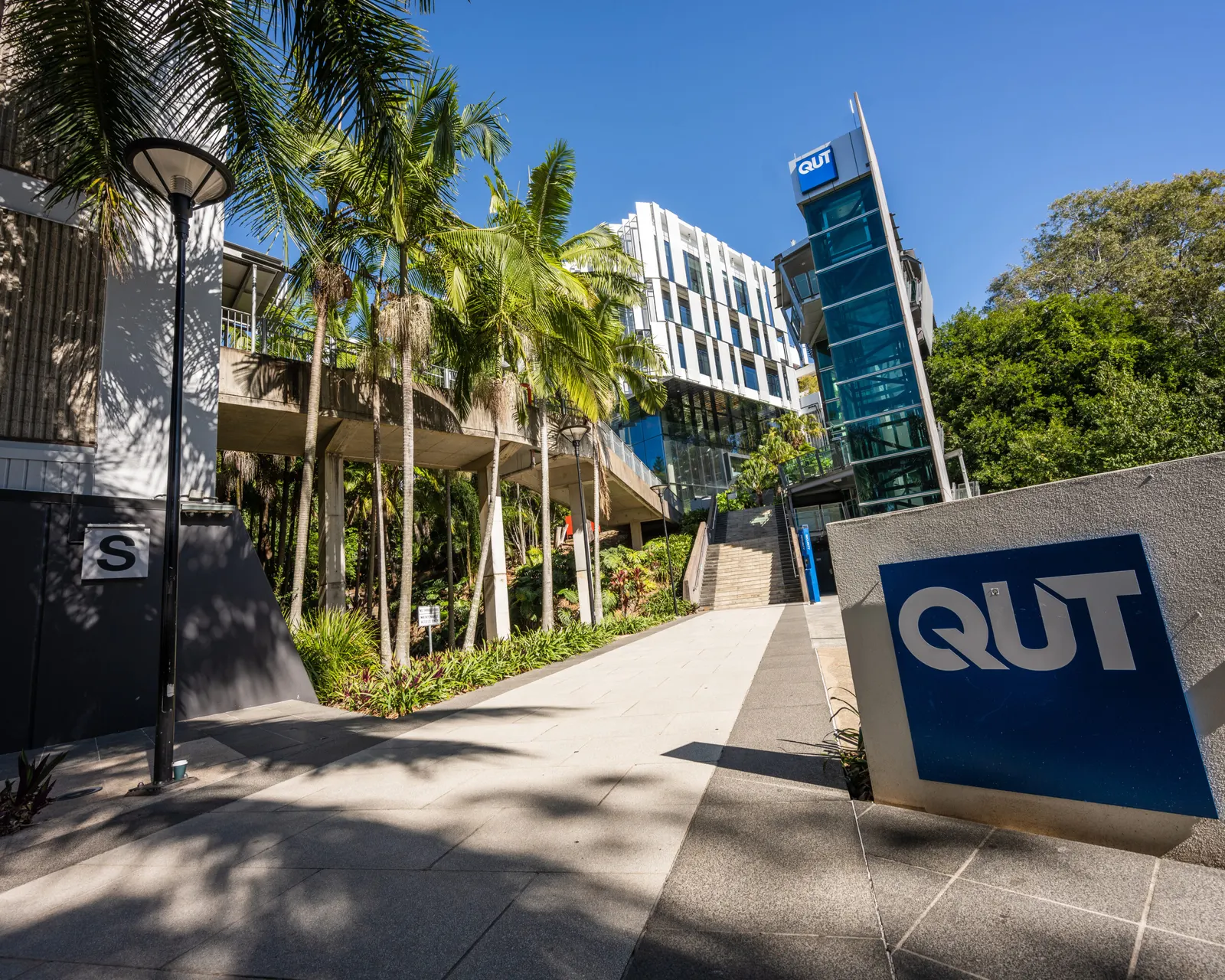
QUT is hiring a Disability Inclusion Program Coordinator, and the role says more about the university's intentions than another inclusion slogan ever could. It's an accountable position that sits where policy, student experience and staff capability actually meet.
If you've done disability project work, equity coordination or access advising, the title will look familiar. The real test for your application is whether you can show implementation rather than awareness. Panels see plenty of applications that use the right words. They don't see enough that describe a changed outcome.
The Job Goes Past Policy Language
In Australian universities, a role with this title usually carries a mix of project management, policy implementation and direct advice. The coordinator might support a disability inclusion action plan, track progress against targets, and help faculties respond to individual adjustment requests.
You'll likely sit between the people who write access policies and the people who answer the phone when a student or staff member asks for help. That's a difficult boundary. You need to understand the Disability Discrimination Act 1992 and the Disability Standards for Education 2005, but you also need enough operational sense to know when a centrally approved note-taker genuinely helps a student, and when a manager needs a different conversation about flexible work.
- Supporting the rollout of disability inclusion plans and reporting on outcomes.
- Advising hiring managers and teaching teams on reasonable adjustments.
- Delivering training for academic and professional staff.
- Building consultative channels with disabled students and staff.
- Reviewing policies, communications and events against access standards.
Digital accessibility is part of the job too. Procurement decisions, learning management systems and PDF forms often create barriers long after a project is finished, because access checks happen too late. If you've reviewed against Web Content Accessibility Guidelines or run an accessibility audit, name it.
The QUT position description is the only authoritative list for this vacancy. Read it before you write anything else.
Where the Legal Duty Comes From
Australia has had federal disability discrimination law for more than three decades. The Disability Discrimination Act 1992 makes it unlawful to discriminate in education and employment, and requires reasonable adjustments unless the adjustment would impose unjustifiable hardship. The Disability Standards for Education 2005 then give education providers clearer duties across curriculum, participation and support services. A plain-language overview is available from the Australian Human Rights Commission.
Those duties are not abstract. A student who needs lecture slides in advance, a staff member who needs a standing desk, a graduate researcher who needs an alternative to an oral presentation: each one tests whether the university has thought about access before the request arrives. A coordinator's job is to reduce the number of surprises.
The national policy direction now pushes in the same way. The Australian Disability Strategy 2021–2031 includes education and employment as priority areas. The Disability Royal Commission's final report, delivered in September 2023, warned against approaches that fit disabled people into unchanged systems and called for genuine involvement at the design stage. You can read the final report through the Disability Royal Commission website.
For practitioners, the Australian Disability Clearinghouse on Education and Training is one of the more useful free resources on accessible teaching, assessment design and assistive technology in tertiary education.
An Application That Works
Start with the selection criteria, not with a three-page summary of your values. A coordinator role is judged on outputs. For each criterion, give enough detail that the panel can picture you running the project, not merely supporting it.
- Name the specific policy or plan you coordinated, and whether it was a disability action plan, employment strategy or learning access initiative.
- Describe the structure you used to consult disabled staff or students, including who had decision-making power, not just who was invited.
- Include an outcome with a number: uptake of adjustments, training sessions delivered, audit items cleared, complaints resolved.
- Show you understand the legal tests behind reasonable adjustments and unjustifiable hardship.
If you have lived experience of disability, you control whether and how to bring it into your application. It's not a requirement to disclose, and no panel can require you to. If you choose to reference it, link it to the work: what you noticed, what you changed and how you measured it.
One more thing about terminology. In Australia, "reasonable adjustment" isn't a loose HR phrase; it carries a legal meaning under the Disability Discrimination Act 1992. Use it precisely, and separate it from "unjustifiable hardship", which is the defence a provider has to prove, not the employee's threshold.
What Not to Send
One mistake is treating this as a generic equity role. Disability inclusion has its own legislation, standards and consultative practice. If your application could be pasted into a gender equity or multicultural affairs ad without breaking, the panel will notice.
Another is passive phrasing. Saying you "participated in" a working group tells the reader nothing. Say what you drafted, what you recommended and what changed as a result. After two decades in university recruitment, I can tell you that panels do not chase vague histories. They shortlist people who describe the before and after.
Then there's the timing trap. If you need communication supports, additional time, an accessible room or a screen-reader-compatible selection task, ask early. Australian employers are expected to make recruitment accessible under the same reasonable adjustment principles that will govern your work in the role. Contact the named officer in the QUT listing before the closing date.
The vacancy is live on QUT's recruitment portal. You'll also find the role listed through AcademicJobs.com's disability inclusion program coordinator listing.
One Move This Week
Download the position description, mark up the selection criteria and map each one to a specific example before touching your CV. That single step will put you ahead of most applicants, because most people reverse the order: they write a CV, staple on a cover letter, and only glance at the criteria after the closing date.
QUT's process is also a test of the university. A well-run search will state the timeline, respect your adjustment requests and answer candidate questions without disappearing for four weeks. If the process does that, you've already learned something useful about the employer.