
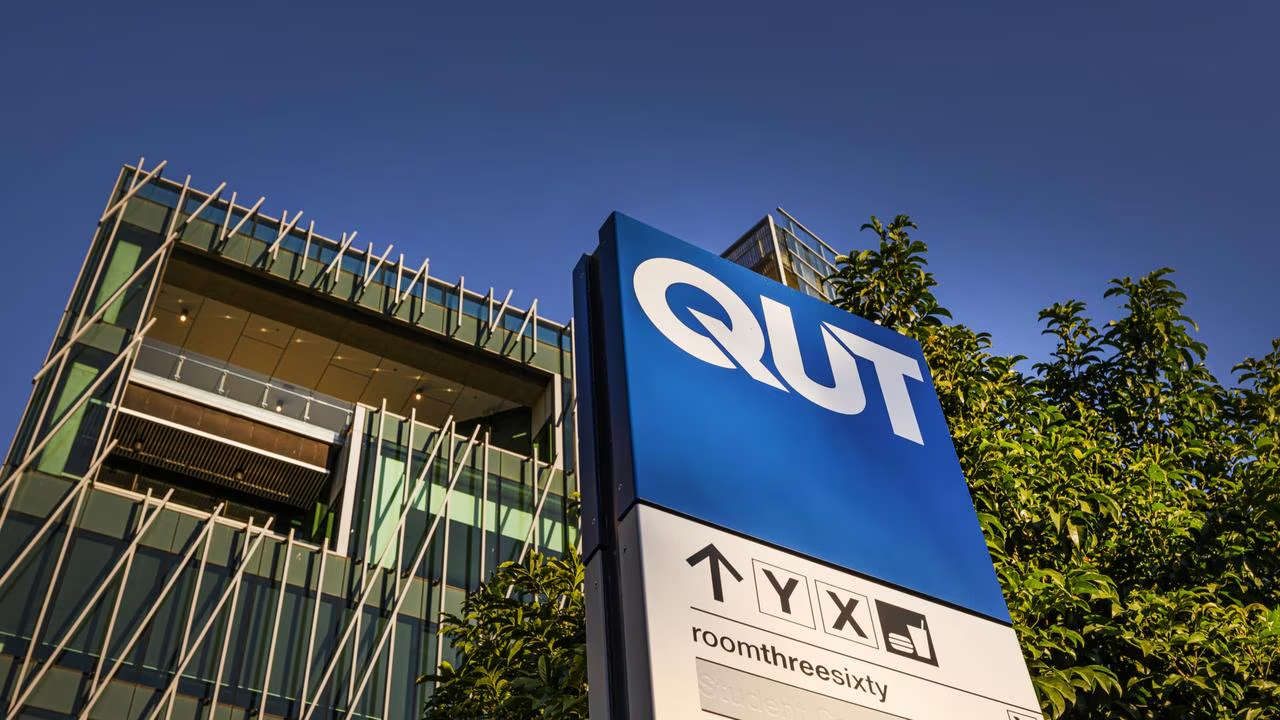
Most laboratory assistant job ads are written for HR compliance, not for the person who'll actually do the work. You'll see ten lines about equal opportunity statements, two lines on what you'll pipette, and nothing about the team you'll join each morning. The Queensland University of Technology listing for a Laboratory Assistant, live right now, breaks that pattern — and if you're a science graduate or an experienced lab hand in Brisbane, this is the ad you don't skip.
QUT needs someone in the Faculty of Science and Engineering to support undergraduate teaching labs. That means preparing reagents, setting out equipment, calibrating instruments, and clearing benches after the last prac session wraps. You won't be designing experiments, but you'll be the reason they run on time. The role sits at Gardens Point campus, a tight ten-minute walk from Central Station, and reports to the Technical Services Coordinator. Full details sit on the QUT careers portal, but the short version is this: it's a full-time ongoing position and the selection panel wants someone who can start soon.
The job ad is unusually specific about what the first three months look like. You'll learn the chemical inventory system, get signed off on fume hood and autoclave procedures, and shadow a senior technician through a full semester's worth of undergraduate chemistry and biology pracs. If you've come from a commercial lab and never set foot in a university teaching lab, that ramp-up matters. You'll also deal with a higher volume of students than you'd see in industry — some of them will be competent, some will be dangerous with a Bunsen burner. The ad makes it clear the role includes a safety enforcement component, and QUT has had enough near-misses over the years to take that seriously.
A quick look at comparable roles on the AcademicJobs board shows lab assistant positions at Australian universities cluster around $62,000 to $71,000 plus super. QUT pays at the higher end of that band for technical staff, based on the HEW level the position is graded at. In Brisbane, where the rental market has tightened considerably, a full-time ongoing salary with 17% super makes a real difference. Figures from the Australian Government's Job Outlook service confirm that science technician roles, which include lab assistants, are projected to see steady demand through 2026, with around 9,000 workers currently employed nationally across all sectors. Universities absorb a decent slice of that workforce, but they don't train enough of their own replacements. That skill gap is your leverage.
Here's the uncomfortable bit. QUT will get a hundred applications for this role. Most of them will be generic. People will attach a CV that lists "attention to detail" in the skills section and then forget to put a page number on the second page. They'll use the same cover letter they sent to a pathology lab last month. The hiring panel — likely three people: the Technical Services Coordinator, a senior academic, and an HR rep — will spend 45 seconds on each application before deciding whether to keep reading. If your first paragraph doesn't name the specific lab and the equipment you've actually used, you've made their decision easy.
So let's fix that. Here are five moves that actually work for university tech roles.
- Read the position description until you can list every piece of major equipment the lab uses — centrifuges, spectrophotometers, pH meters, whatever is mentioned — and have a bullet point on your CV for each one you've touched. Don't say "experienced with lab equipment." Say "calibrated and maintained PerkinElmer AAnalyst 200 atomic absorption spectrometers for undergraduate analytical chemistry courses." The panel wants to see that you know the difference between a pipette and a micropipette without having to explain it.
- Address the safety part head-on. Every university lab has had a student splash something in their eye. Write one paragraph about how you've handled a safety incident or run a lab induction for newcomers. If you've had formal WHS training, name the certification. If you haven't, mention the safe work practices you've followed — chemical storage segregation, spill kit location drills, that sort of thing. QUT uses a ChemAlert inventory system; if you've used it before, that sentence alone might get you shortlisted.
- Show you understand the rhythm of a teaching semester. The lab doesn't need you most in Week 1; it needs you in Week 4 when the first round of assessments hits and every prac class runs at full capacity with students who forgot the pre-lab reading. Mention that you've worked in a high-turnover lab environment where quick clean-up and reset between classes mattered. Even better if you've supervised a student or a junior tech — the role involves demonstrating techniques to students.
- Contact the supervisor listed on the ad before you apply. The QUT listing gives a name and a phone number. Call them. Ask what a good week looks like versus a bad week. Ask what the last person in the role did that made them indispensable. You'll get two or three phrases you can echo in your cover letter, and when the supervisor reads your application, they'll remember the fifteen-minute conversation you had on a Tuesday morning. Most candidates won't make that call. That's the point.
- Apply via the QUT online portal and triple-check that your documents uploaded correctly. If the system asks for a separate statement addressing the selection criteria, do it properly — not as a single block paragraph, but as clear responses with the criterion as a heading and a concrete example underneath. Academics on a selection panel read these documents like they're marking an assignment; structure counts.
The market for skilled lab assistants in southeast Queensland has tightened since the borders reopened. Private pathology providers and hospital labs have been hiring aggressively, and they've pulled people who might otherwise have applied to university roles. That means QUT's pool will be a little thinner than it was three years ago, and an applicant who demonstrates genuine familiarity with a teaching-lab environment stands out faster. The university doesn't need to train you on how to handle a class set of twenty microscopes or how to deal with a lecturer who changed the afternoon's protocol at 1:55pm. If you can show you've already done those things, the job is yours to lose.
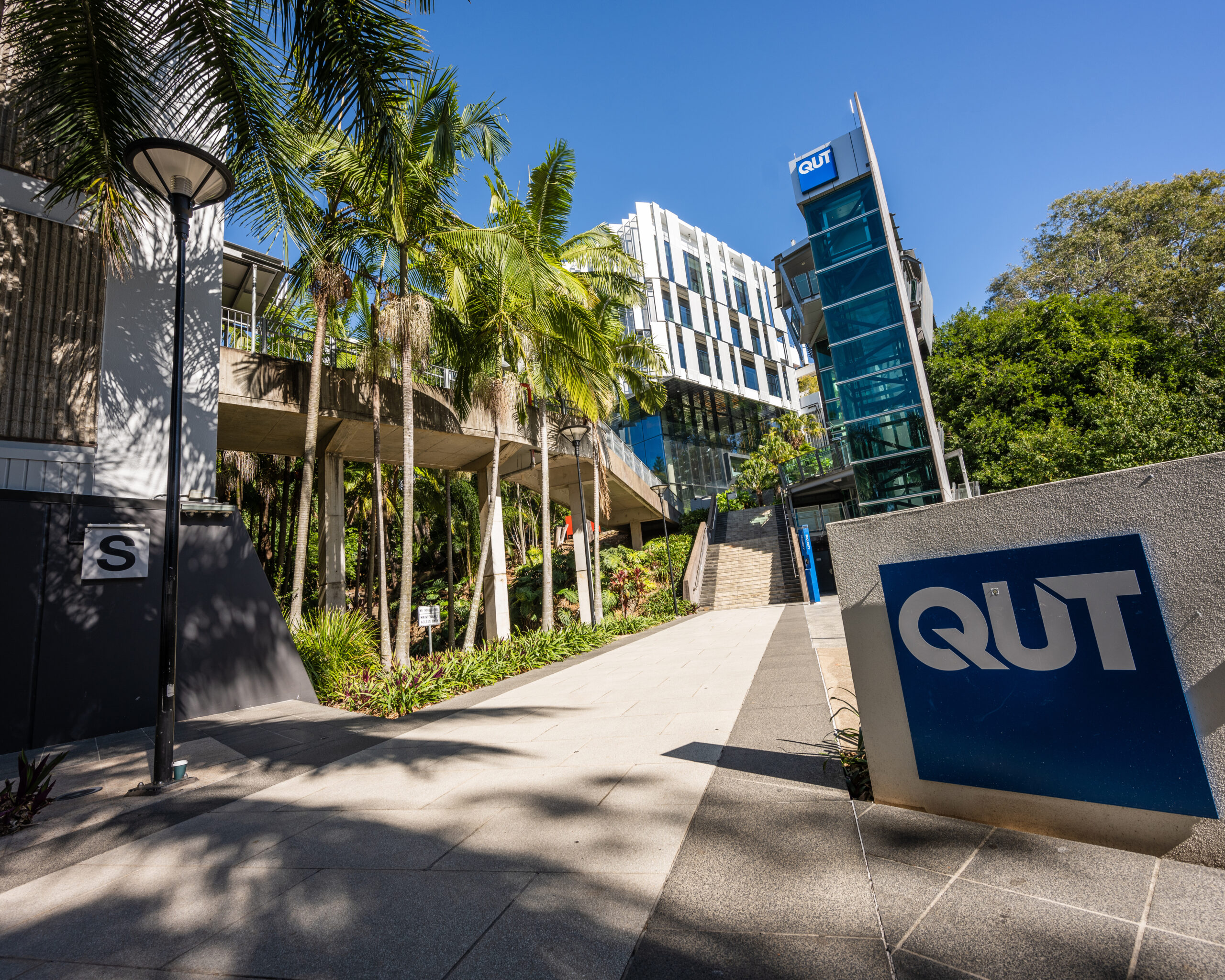
One more thing about Brisbane. Gardens Point is the most central campus in the city. You can commute by train, bus, or CityCat ferry, and the end-of-trip facilities — showers, secure bike storage — are solid. The campus sits alongside the Botanic Gardens and the river, so your lunch break doesn't have to happen in a carpark. If you're relocating, QUT has a relocation assistance policy for ongoing roles; mention it in the call with the supervisor and see if it applies. That policy isn't advertised in the job post, but it exists.
A recent analysis by the Reserve Bank of Australia highlighted that labour shortages in technical and trade roles are persisting longer than in other occupations, partly because the pipeline of trainees shrank during the pandemic years. University lab assistant roles sit right at the intersection of that trend: they require hands-on technical skill, but the candidates who have it are increasingly being snapped up by private employers before campus HR departments finish their three-month recruitment cycles. If QUT moves fast and you make yourself easy to hire, this search won't drag.
The closing date won't wait. These ongoing positions often get pulled early if a strong enough shortlist forms. Set aside an afternoon this week: map your CV to the position description, draft that cover letter, make the phone call. Most people who read an article like this will think about it, but won't actually do anything. Don't be most people.



Discussion
Be the first to comment on this article!
You’ll be asked to sign in before your comment is posted.