
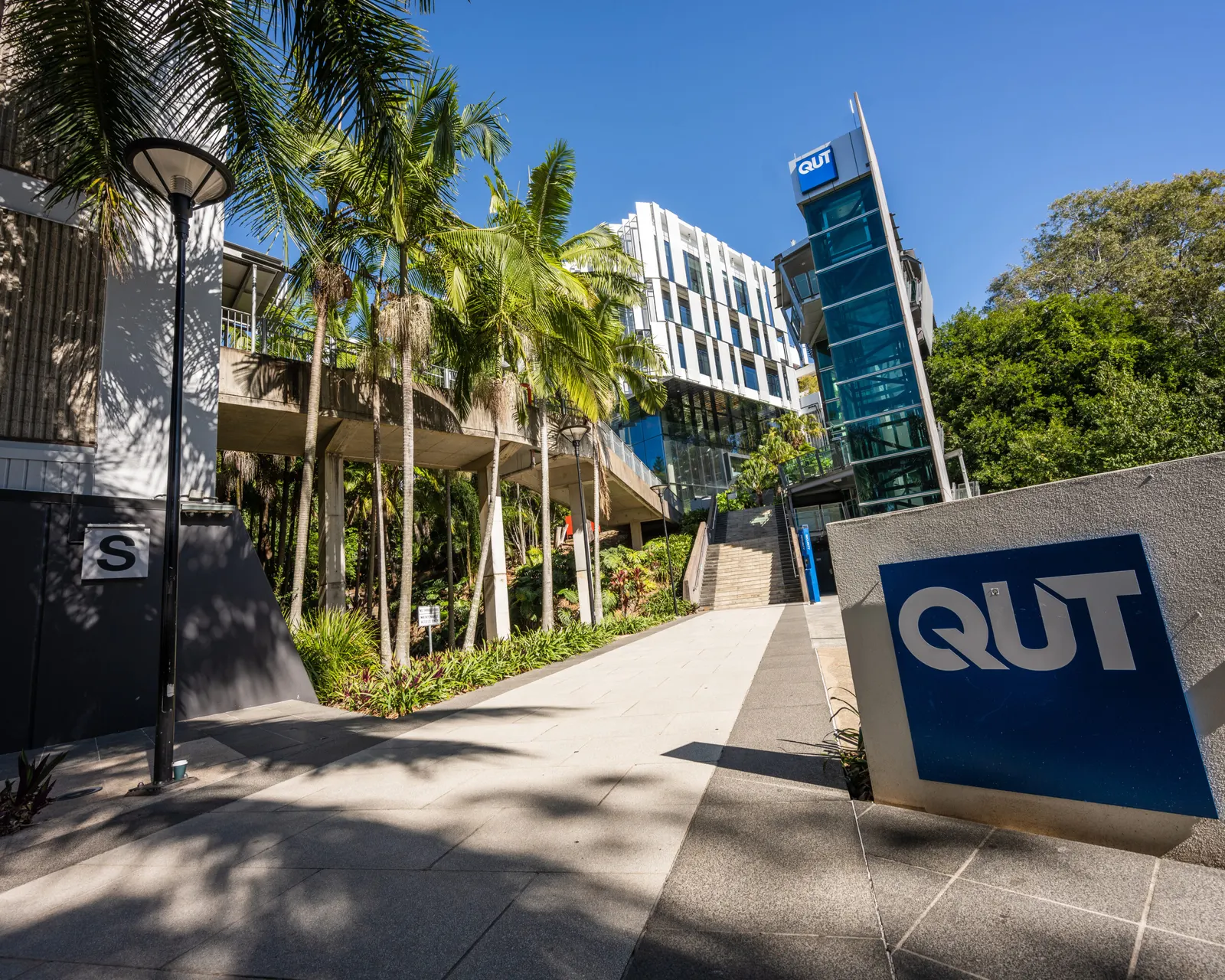
Queensland University of Technology has opened applications for a Lecturer or Senior Lecturer in Nutrition and Dietetics, and if you're a dietitian who has thought about moving into academia, this is the role to watch.
The job sits in QUT's School of Exercise and Nutrition Sciences at the Kelvin Grove campus in Brisbane. It's advertised at two levels, which means the university is willing to hire someone early in their teaching career or an established academic ready to lead. You'll teach into QUT's accredited dietetics and nutrition programs, supervise students on clinical placements, and maintain your own research program.
What the role actually asks for
QUT wants a registered dietitian with a PhD or one close to completion for the lecturer level. Senior lecturer applicants should already have a body of published research, a record of winning grants, and experience coordinating courses. The ad also flags practice experience in clinical or community dietetics, which fits because QUT's programs lean heavily on placement-based learning.
Do not overlook the teaching component. This is not a research-only post. You will be expected to lecture, run tutorials, mark assignments, and work with placement supervisors across Queensland Health sites and private practices. If you enjoy working with students in real clinical settings, the role will suit you. If you're looking for a lab-first position, this isn't it.
The university also values engagement with the profession. That can mean maintaining your Accredited Practising Dietitian status, contributing to Dietitians Australia working groups, or collaborating with industry partners on research that improves nutrition care. QUT has a long history of applied health research, and the school expects its academics to stay connected to practice, not disappear into the ivory tower.
Why dietetics hiring matters right now
Australia has a well-documented shortage of dietitians, especially in rural and remote areas. The Australian Government's Labour Market Insights lists dietitians as a shortage occupation in several states, and employment is projected to grow strongly as the NDIS, aged care, and chronic disease programs expand. You can see the current occupational profile on the official Labour Market Insights dietitians page.
Dietitians Australia has pushed for broader Medicare rebates and a stronger role in preventative health, which would increase demand for qualified clinicians. Universities are caught in the middle: they need enough academic staff to train the next cohort, but clinical salaries have grown competitive with academic pay. That's why QUT advertising at two levels is a smart move—it widens the net.
The timing matters for another reason. Several Australian universities have consolidated smaller allied health programs or reduced intakes in recent years. When a major institution like QUT invests in a permanent academic role in nutrition and dietetics, it tells the market the discipline still has institutional support. For dietitians considering academia, that stability is worth more than a higher salary in private practice.
QUT's edge in nutrition and dietetics
QUT's course structure is built around clinical placements and community engagement. The Master of Dietetics includes supervised practice in hospitals, aged care, food service, and public health settings. The Bachelor of Nutrition Science provides a strong pipeline into the master's program. You can review the Master of Dietetics course page to see the units and placement hours students complete.
The university also runs research groups focused on food policy, gut health, and chronic disease prevention, which means a new lecturer can slot into an existing team rather than building from zero. That matters when you're deciding whether to leave clinical practice for an academic contract.
Brisbane itself helps. QUT's Kelvin Grove campus sits next to the Royal Brisbane and Women's Hospital, one of the state's largest teaching hospitals. That proximity means students can walk to placement sites, and academics can build research partnerships without a long commute. The city has a growing health and research precinct, and QUT is in the middle of it.
How to make your application stand out
Start with the selection criteria. QUT uses a standard academic promotion and recruitment process, so your written responses need to show evidence, not intentions. If you're applying at senior lecturer level, name the courses you've coordinated and the grants you've led. If you're aiming for lecturer, emphasise your teaching experience, even if it was casual tutoring or clinical supervision.
Second, get your APD credential sorted. Dietitians Australia's Accredited Practising Dietitian status is often a requirement for teaching into accredited programs, and QUT will expect you to hold it or be eligible. Check your CPD log is current before you submit.
Third, write a research statement that names your next three projects and a funding source for each. Academic hiring panels read dozens of vague statements about 'impact' and 'collaboration'. A specific plan, even a rough one, puts you ahead. If you need help structuring your CV, our guide on writing a winning academic CV walks through what panels actually want.
Fourth, talk to someone already teaching at QUT. The school's staff list is public. A short email asking for a 15-minute chat about the role can give you details the ad doesn't mention—how the teaching load is allocated, what placement supervision really looks like, and whether the school's research culture matches your goals. Most academics will say yes if you ask a specific question.
You can apply directly through QUT's job portal, or view the full position description on the AcademicJobs listing. The AcademicJobs page includes the closing date, which you should treat as your hard deadline.
Salary expectations for Australian lecturers vary by institution and level. Our guide on becoming a university lecturer and earning $115k breaks down the ranges and what affects your starting point. Don't undervalue your clinical experience when you negotiate.
What this appointment says about the sector
QUT hiring in nutrition and dietetics is a signal that the university is backing its health programs at a time when some institutions have cut smaller allied health degrees. A lecturer appointment with a combined teaching and research load means the school wants someone who can keep the program's accreditation health strong and bring in research income. That's the reality of modern academic roles in health disciplines.
If you've been weighing a move from clinical practice to academia, this is one of the rare roles that values both halves of your career. It's not a pure teaching fellowship and not a postdoc. It's a permanent, ongoing position with a clear path to senior lecturer. For a dietitian, that's a genuine opportunity.
The two-level advertisement also says something about hiring strategy. By not locking the role to one level, QUT can consider a broader pool, from a newly minted PhD with strong clinical experience to a mid-career academic ready to step up. It's the kind of flexibility more universities should adopt when talent is scarce.
One action to take this week
Write a draft response to the first two selection criteria. Don't edit it yet. Just get your examples down on paper—the course you taught, the placement you supervised, the research project you contributed to. Once you see your evidence in one place, you'll know whether to apply at lecturer or senior lecturer level, and you'll be ready to move before the closing date.




Discussion
Be the first to comment on this article!
You’ll be asked to sign in before your comment is posted.