

At a glance
Dive into the Supervising Scientific/Technical Officer (Simulation Learning) position at QUT, exploring its responsibilities, skills, and impact on health education in Australia. A comprehensive guide to this rewarding career opportunity.
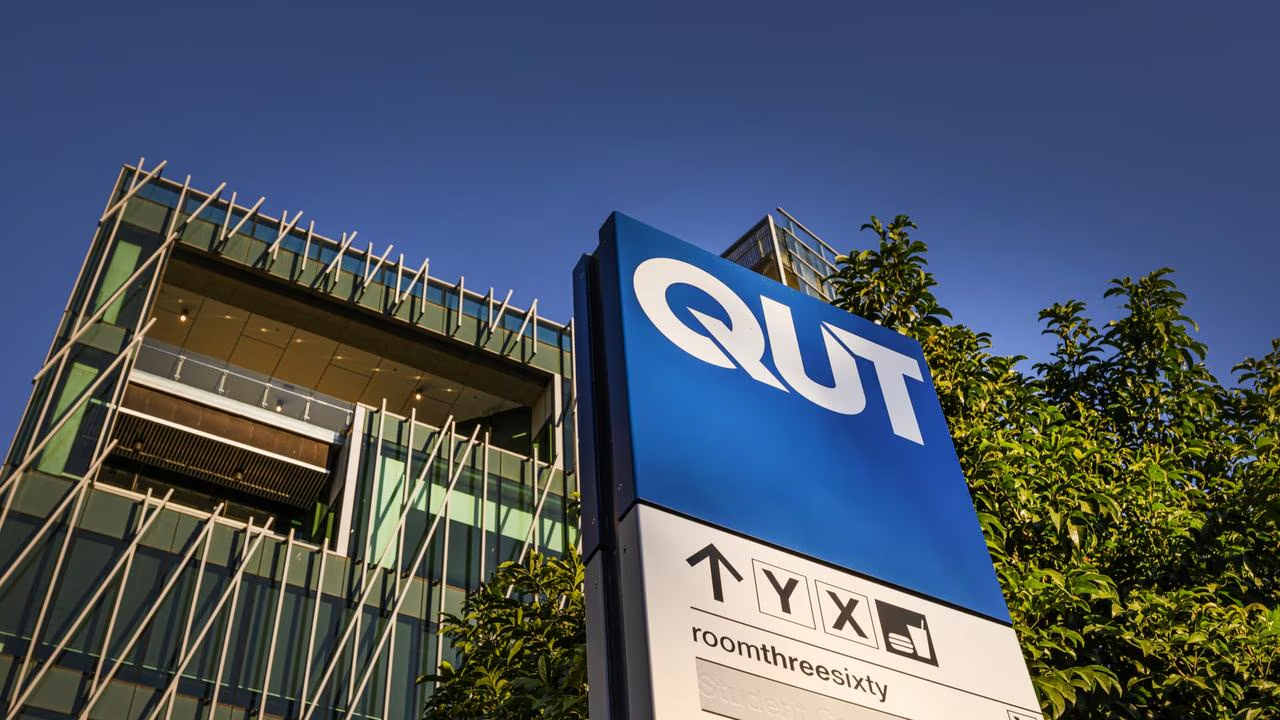
In the dynamic field of Australian higher education, simulation learning stands out as a transformative approach, particularly within health sciences programs at leading universities like Queensland University of Technology (QUT). This method allows students to practice complex clinical skills in a controlled, risk-free environment, bridging the gap between theory and real-world application. The recent opportunity for a Supervising Scientific/Technical Officer (Simulation Learning) in QUT's Faculty of Health underscores the growing demand for experts who can oversee these cutting-edge facilities. Located at the Kelvin Grove campus in Brisbane, this ongoing full-time position offers a chance to lead technical teams supporting nursing and paramedicine education, ensuring seamless delivery of high-quality learning experiences.
Simulation learning has gained momentum across Australian universities, driven by the need to prepare graduates for high-stakes healthcare roles amid workforce shortages and evolving clinical demands. At QUT, this role plays a pivotal part in faculty operations, managing specialist equipment and fostering innovation in teaching and research. With Australia's health sector projected to require thousands more nurses and paramedics by 2030, professionals skilled in simulation technology are more vital than ever.
The Evolution and Importance of Simulation Learning in Australian Universities
Simulation learning refers to simulation-based education (SBE), a pedagogical strategy that recreates authentic clinical scenarios using advanced tools. This approach has roots in aviation and military training but has flourished in healthcare education over the past two decades. In Australia, its adoption accelerated following standards set by the Australian Commission on Safety and Quality in Health Care, emphasizing competency-based training.
The process typically unfolds in stages: scenario design by educators, equipment setup by technical staff, student immersion through debriefing sessions. High-fidelity simulators mimic human physiology with programmable vital signs, voice synthesis, and responsive movements, while low-fidelity options like task trainers focus on procedural skills such as IV insertions or wound care. Virtual reality (VR) and augmented reality (AR) integrations add layers of immersion, allowing students to navigate 3D anatomical models or emergency responses.
For nursing and paramedicine students, this means honing decision-making under pressure without patient harm. Studies from Australian institutions highlight improved clinical confidence and reduced errors post-simulation. In paramedicine, for instance, QUT students recently partnered with the Australian Defence Force for trauma simulations, demonstrating real-world applicability.
- Enhances psychomotor skills through repetitive practice.
- Builds teamwork via multidisciplinary scenarios.
- Supports emotional resilience in high-stress debriefs.
- Addresses placement shortages exacerbated by pandemics.
QUT's Commitment to Cutting-Edge Simulation Facilities
Queensland University of Technology leads in health simulation through its Faculty of Health, home to state-of-the-art centres including clinical simulation spaces and virtual environments. The Science 360° experience integrates hands-on labs with immersive tech, supporting courses in nursing, paramedicine, physiotherapy, and clinical sciences. QUT Health Clinics provide real-patient interfaces alongside simulated ones, creating a hybrid model unique in Australia.
At Kelvin Grove, facilities feature high-fidelity manikins from brands like Laerdal and Gaumard, VR platforms for procedural training, and AV systems for recording sessions. Technical officers ensure these operate flawlessly, from calibration to scenario programming. Recent initiatives include paramedic collaborations with defence units, exposing students to battlefield medicine simulations. This infrastructure positions QUT as a hub for innovation, attracting top talent and research funding.
Day-to-Day Responsibilities of the Supervising Scientific/Technical Officer
This leadership role demands a blend of technical prowess and operational oversight. The officer supervises a team delivering support for learning and teaching, ensuring labs run safely and efficiently. Daily tasks include preparing simulation suites for classes—programming manikins for scenarios like cardiac arrests or childbirth emergencies—troubleshooting AV issues, and maintaining inventory of consumables like moulage kits for realistic wounds.
Collaboration is key: coordinating with academics to customize scenarios, training junior staff on equipment, and participating in debriefs to refine setups. The position also involves risk assessments for electrical safety and infection control, plus contributing to strategic projects like VR expansions. In research contexts, support extends to data collection from sim sessions, aiding studies on learning outcomes.
Flexibility is essential, with occasional evenings or weekends for intensive workshops. The role's supervisory aspect includes performance mentoring, roster management, and fostering a culture of continuous improvement.
Essential Qualifications and Skills for Success
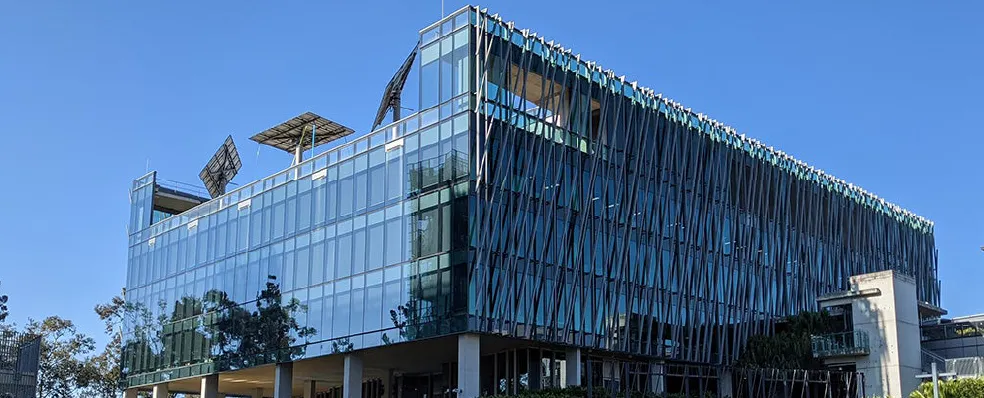
Candidates need a degree in a relevant field—such as nursing, paramedicine, or biomedical science—paired with clinical experience. Hands-on knowledge of high- and low-fidelity simulators is non-negotiable, ideally from prior technical or educational roles. Leadership shines through proven team management, stakeholder engagement, and project delivery under deadlines.
Core skills encompass:
- Advanced IT/AV proficiency for simulator software like SimMan or BodyWorks.
- Problem-solving in dynamic environments, e.g., rapid scenario pivots.
- Excellent communication for briefing diverse groups, from students to executives.
- Commitment to health, safety, and equity principles, including Indigenous engagement.
For those transitioning from clinical practice, upskilling via certifications in simulation operations—offered by bodies like the Society for Simulation in Healthcare—proves invaluable.
Competitive Salary and Career Progression Opportunities
This HEW7 position offers a base salary of $103,811 to $113,557, plus 17% superannuation and 17.5% recreation leave loading, totaling $122,852 to $134,385 annually. This aligns with senior technical roles in Australian universities, where averages hover around $95,000 but supervising positions command premiums for expertise.
Career paths abound: from senior officer to lab manager, or into research coordination and edtech consulting. QUT supports professional development through funded training and secondments. Broader prospects include roles at other unis like University of Sydney or Monash, or private sim providers amid a market growing at 10% CAGR globally.
| Level | Base Salary Range | Total Package |
|---|---|---|
| Technical Officer | $85,000-$100,000 | $100,000-$120,000 |
| Supervising Officer (HEW7) | $103,811-$113,557 | $122,852-$134,385 |
| Senior/Manager | $120,000+ | $140,000+ |
Navigating the Application Process
Applications close on May 21, 2026, at 11:30pm AEST. Submit via QUT's portal, addressing selection criteria with evidence-based examples. Tailor your CV to highlight clinical sim experience, using STAR method (Situation, Task, Action, Result) for responses. Prepare for interviews involving scenario-based questions and technical demos.
QUT values diversity, encouraging applications from Aboriginal and Torres Strait Islander peoples. Unrestricted Australian work rights required. For full details, check the listing on AcademicJobs.com.
The Impact on Student Outcomes and Healthcare Delivery
Effective simulation, underpinned by roles like this, yields measurable gains. Australian research shows participants achieve 20-30% higher competency scores, with lasting retention. In nursing, it reduces transition shock for new grads; in paramedicine, it sharpens pre-hospital triage.
Stakeholders—from students praising realism to clinicians noting better-prepared hires—affirm its value. Challenges like equipment costs are offset by long-term savings in placements. A QUT-led review of mastery learning via virtual sims in advanced nursing curricula demonstrated superior skill acquisition. Explore further in this QUT study on simulation effectiveness.
Future Trends Shaping Simulation-Based Education
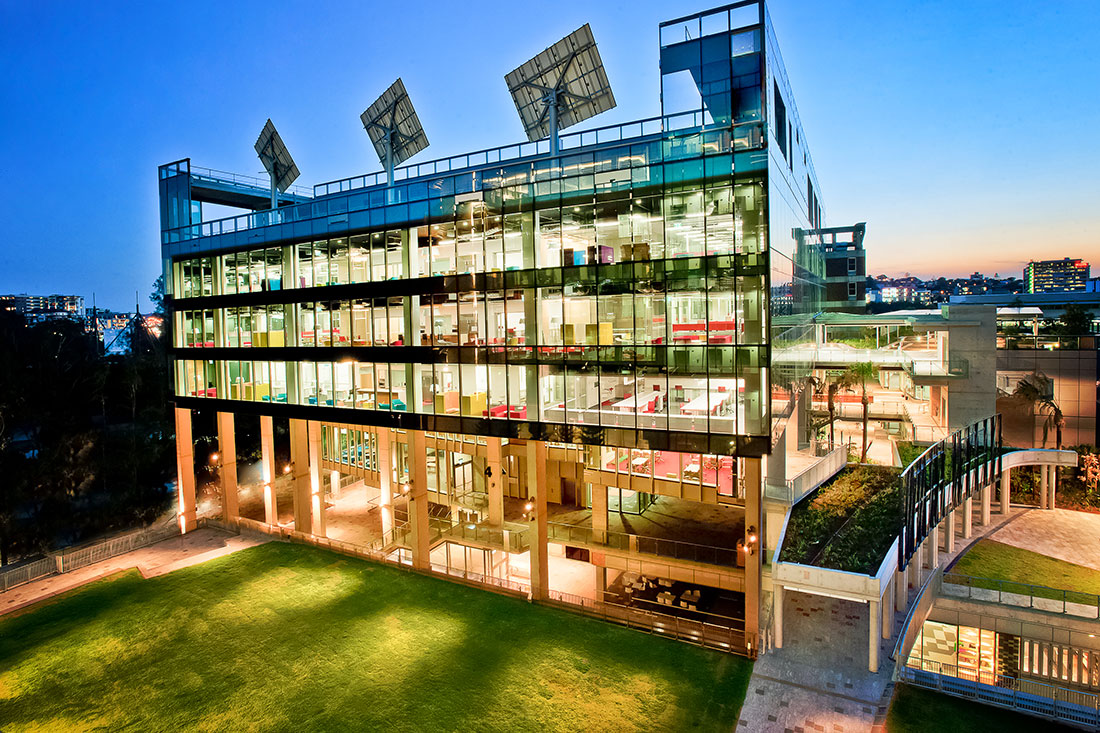
Looking to 2030, Australian higher ed simulation will embrace AI for adaptive scenarios, metaverse collaborations, and haptic suits for tactile feedback. Trends include hybrid sim-clinic models and data analytics for personalized debriefs. Universities investing now, like QUT, will lead workforce readiness.
Solutions to equity gaps involve mobile sim units for rural access and inclusive scenario design. Technical officers will pivot to AI maintenance and interoperability standards, demanding lifelong learning.
In summary, the Supervising Scientific/Technical Officer role at QUT offers not just a job, but a platform to shape future healthcare professionals. With robust support and competitive rewards, it's an ideal step for clinical experts eyeing education leadership.
- higher-education-careers
- qut-jobs
- health-education-australia
- simulation-learning
- scientific-technical-officer