
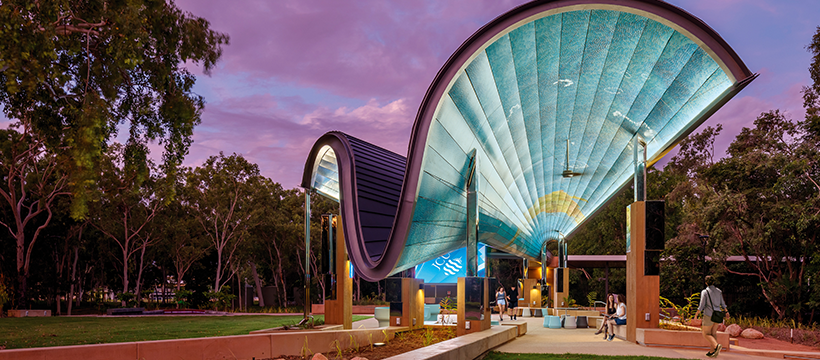
James Cook University has advertised a Research Training and Researcher Development Advisor role in Townsville, Queensland. The title sounds like internal administration. It is not. The person hired will shape how PhD candidates, supervisors, and early career researchers learn to do their work, and the appointment says more about the pressure on Australian research training than most position descriptions admit.
If you are a candidate weighing this role, or an HDR student trying to work out who is actually responsible for your development, pay attention. Higher degree by research (HDR) candidates are students enrolled in a PhD or a research master's degree. Their progress depends on supervision, milestone reviews, and access to training in research design, writing, data management, publishing, and career planning. That training does not run itself.
Research Training and Researcher Development Advisors sit inside that system. They typically design and run workshops, advise on candidature policy and progression, support supervisors, and help researchers understand the expectations that are rarely written down. At JCU the role is based in Townsville, a location that shapes the job in practical ways.
What the role involves inside the university
The successful applicant will spend significant time working with HDR candidates. Some will be in Townsville and Cairns. Others will be based in hospitals, field stations, or remote communities across northern Australia. The role requires someone who can design development programs that work across distance, not just for people who can attend a workshop on campus.
Most Australian universities house this function in a graduate research school or research services division. At JCU the unit handles HDR admissions, candidature milestones, scholarships, and reporting under the Australian Government's Research Training Program. An advisor is not a course coordinator. The work is closer to a mix of policy advice, program design, and one-to-one support for people whose research projects are all different.
A typical week might include an induction session for new candidates, a case meeting about a stalled confirmation of candidature, a workshop on data management plans for a marine science cohort, and a conversation with a supervisor who has just realised their student is nine months behind. The common thread is translation: turning policy into something a busy researcher can actually act on.
The reporting line matters. Some universities place researcher development under the library. Others place it under student services or the deputy vice-chancellor research. Each placement changes the job. A development role placed under research tends to focus on research outputs. Placed under student services, it leans toward wellbeing and progression. Candidates should ask where the role sits before they accept an interview.
Why this appointment is worth watching
Researcher development has moved from a nice-to-have to a compliance and performance issue. Australian universities receive Commonwealth funding for HDR places, and completion rates, milestone progress, and supervisor training are all scrutinised. A university that cannot show it is developing its researchers faces real consequences in funding discussions and accreditation reviews.
The job also reflects a broader shift. PhD candidates now expect structured career development, not just a desk and a supervisor. The labour market outside academia has tightened, and candidates want evidence they can use their research skills in industry, government, and the professions. The advisor role often carries the responsibility for making those pathways visible.
But there is an uncomfortable truth. Many universities have underinvested in researcher development for years, then wondered why HDR satisfaction and completion data stall. Hiring one advisor does not fix a broken system. It does signal that an institution recognises the gap, and that is the first meaningful step.
How Australian research training is funded
The Commonwealth's Research Training Program provides block grants to universities to support domestic HDR candidates. The grants are meant to cover tuition and a contribution to living costs, but universities often argue the funding does not stretch far enough. Universities Australia has repeatedly warned that HDR stipends and the real cost of supporting a candidate have drifted further apart.
That financial pressure lands on people. A development advisor often has to do more with less: fewer workshops, shorter sessions, more online delivery, and a growing caseload of candidates who need individual help. The Australian Research Council also ties research training expectations to its funded projects. A chief investigator cannot simply take on PhD students; there are development and supervision obligations attached.
None of this means the job is impossible. It means the job requires someone who can prioritise ruthlessly and measure what actually works. That skill set is more valuable than subject expertise in any single discipline.
What strong researcher development looks like
At JCU, the likely home for this position is the Graduate Research School, which oversees HDR candidature and development. Strong programs in this space tend to share a few features: they start early, they involve supervisors, and they are evaluated against outcomes, not attendance.
For example, a workshop on thesis writing is useful only if it changes how candidates plan their chapters. A supervisor induction is useful only if supervisors leave with a clear understanding of milestone expectations and the limits of their role. Development advisors who thrive are the ones who design for changed behaviour, not for a full room.
There is also a practical career element. Research training increasingly includes modules on data management, research integrity, open access, and working with industry. Candidates who can explain their research to a non-academic audience have a built-in advantage. The advisor role often connects those dots across faculties.
If you are coming from a research assistant background, the same truth applies to your application: point to specific outcomes, not just duties. A useful starting point is how to excel as a research assistant in Australia. For early career researchers shifting toward this work, the discipline of a postdoc remains relevant because postdoctoral success depends on the same practical skills you will be teaching.
For applicants: the checks worth making before you spend the evening on a cover letter
University job ads are often vague. This one is no exception if it reads like a list of generic competencies. Before you invest an evening in an application, make some practical checks.
- Ask where the position sits in the org chart. If it reports to a graduate research dean, expect policy and progression work. If it reports to a people and culture team, expect more training design and less candidature casework.
- Read the position description for named programs. A strong ad will mention HDR milestones, supervisor development, or research integrity. If it does not name any of those, ask the contact officer what the first ninety days look like.
- Check the closing date and interview timeline. Universities run slow searches. Strong candidates do not wait four months for a committee to reconvene.
- Look at the university's research strengths before you write. At JCU, tropical health, marine science, and northern Australia research are obvious starting points. Tailor your examples to the candidates you would actually support.
Your cover letter should then address the gaps, not repeat the ad. Name a program you would redesign, a supervisor workshop you would build, or a completion data problem you would investigate first. This is the point where most applications fall over: they describe the role back to the panel instead of showing how they would do it.
The hiring committee's job: make the ad honest
Most university job ads are written for lawyers, not candidates. Ten paragraphs of boilerplate, three lines about the actual work, and nothing about who you would report to. If you are hiring for this role, flip that ratio. Say what the person will do in their first ninety days. Name the team. The strongest candidates skim twenty ads a night. Give them a reason to stop at yours.
For this particular role, the committee should also be honest about the load. Researcher development advisors often inherit a backlog of candidature issues, a calendar of under-attended workshops, and a set of supervisors who have never had formal training. Pretending otherwise sets the new hire up to fail.
Candidates should not be afraid to ask hard questions in the interview either. Inquire about the last three development programs and whether they were evaluated. Ask about the HDR completion data and what has changed in the past two years. A serious unit will have answers. A weak one will talk in circles.
This week, open the full JCU careers ad and read the position description twice. Then write three sentences about what you would change in the first six months. If you cannot, you are not ready to apply. You can also compare the full listing on AcademicJobs.

.jpg)

.jpg)
.jpg)


Discussion
Be the first to comment on this article!
You’ll be asked to sign in before your comment is posted.