
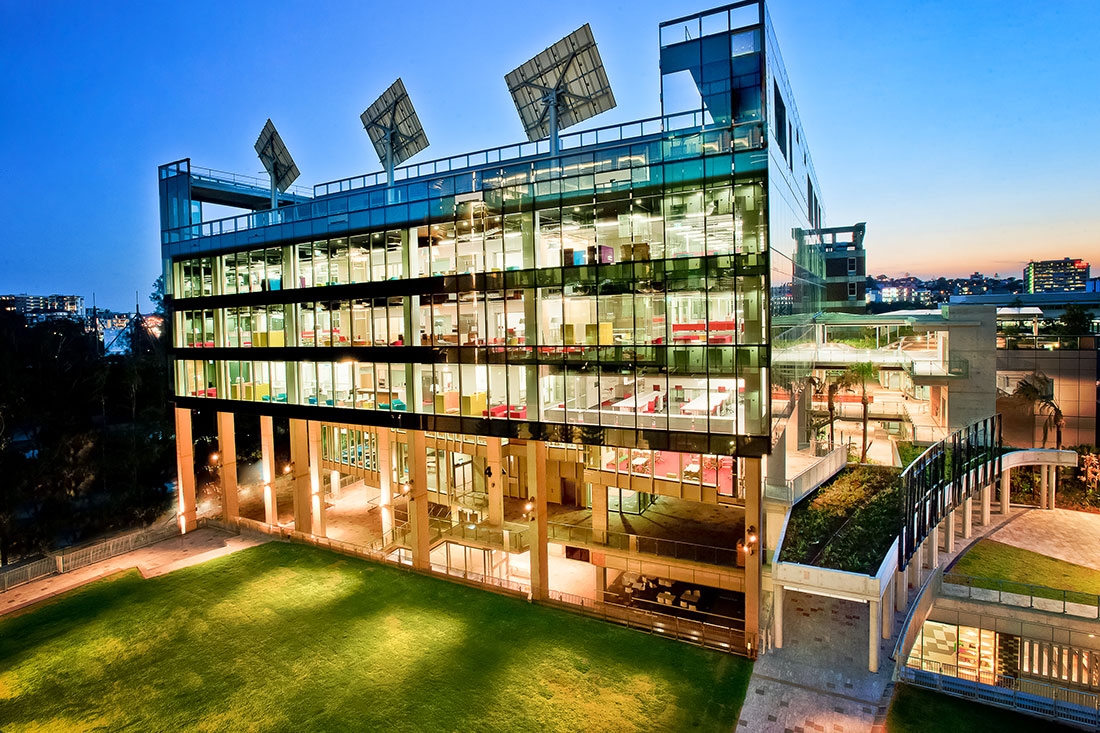
The position at Queensland University of Technology stands out for the precision of its requirements. A Senior Lecturer in Creative Arts (Interdisciplinary) must hold recognised expertise in one of the School of Creative Arts majors while showing clear capacity to work across boundaries. The majors listed run from Acting and Animation through Creative Writing, Drama, Film and Screen, Music and Visual Arts. The design of the role therefore tests both depth and range rather than treating interdisciplinarity as an abstract virtue.
Applications opened on 29 July 2026 and close on 13 August 2026 at 11.30 pm. The appointment is ongoing and full-time, based at the Kelvin Grove campus with a hybrid option. Remuneration sits at $142,451 to $164,275 base salary, which with 17 per cent superannuation and 17.5 per cent recreation leave loading produces a total package of $168,578 to $194,406 per annum.
The successful candidate will have completed a doctoral qualification. Beyond that threshold the advertisement sets out measurable indicators of prior performance. These include leadership of curriculum development, effective unit administration, and leading teaching teams at undergraduate level, supported by positive student feedback. The role also requires demonstrated leadership in contemporary and emerging digital approaches for learning, curriculum, research and industry practice.
Research expectations receive equal weight. The advertisement calls for a strong record of engaged and impactful work in the creative industries. Acceptable evidence includes publications in relevant high-quality outlets, success with competitive funding from national or international bodies, completion of high-impact projects with government, industry or community partners, and consultancy activity. These criteria allow an applicant to demonstrate both individual output and the collaborative reach the position demands.
Communication and interpersonal skills appear explicitly. The candidate must work within an interdisciplinary team of academic and professional colleagues and engage industry stakeholders to strengthen teaching and research. A demonstrated commitment to equity, diversity and Indigenous Australian engagement completes the list. Aboriginal Australians and Torres Strait Islander people receive particular encouragement to apply, consistent with QUT’s Indigenous Australian Employment Strategy.
The School of Creative Arts sits inside the Faculty of Creative Industries, Education and Social Justice. Its curriculum combines core units with the majors already noted, allowing students to pursue transdisciplinary pathways that mirror real-world collaborative practice. The faculty describes its approach as industry-embedded and socially engaged, with an emphasis on experimental and emerging forms of knowledge. The new appointment is intended to contribute to that direction through innovative curricula and partnerships that address cultural, social and technological challenges.
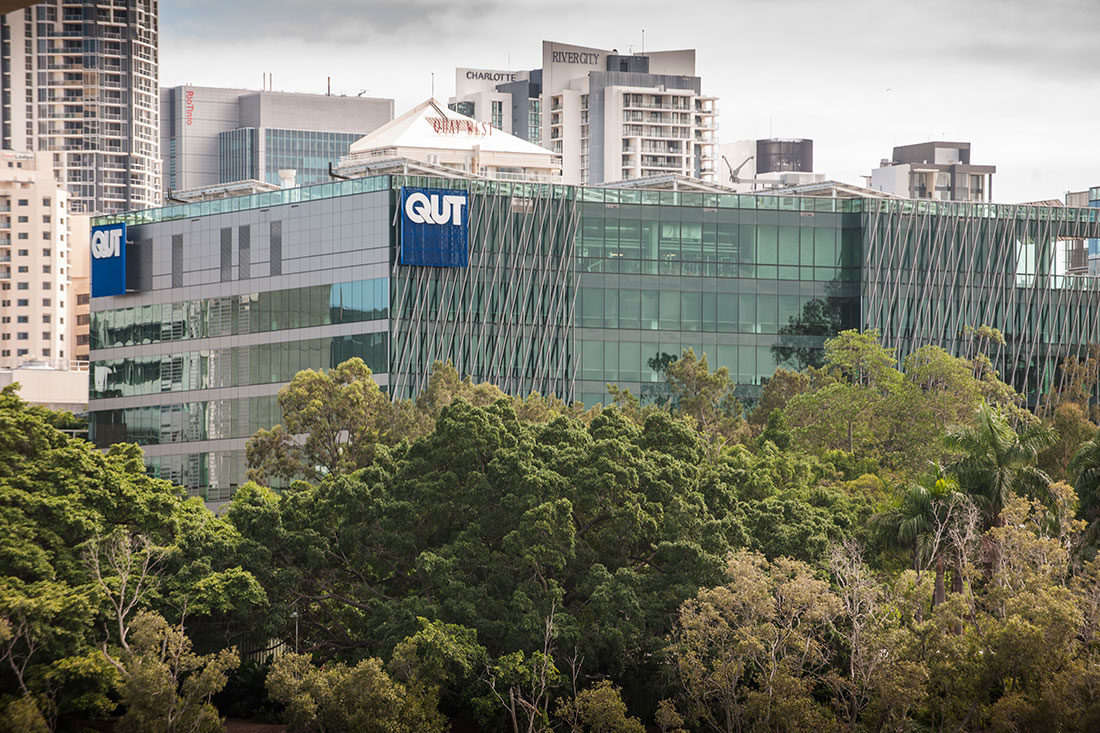
Benefits at QUT include a purchased leave scheme offering up to eight extra weeks, primary carer parental leave of up to 26 weeks with superannuation, Fitness Passport access, salary packaging options, and professional development programmes. The university maintains an Indigenous Australian Staff Network and provides cultural and ceremonial leave. These provisions sit alongside the standard academic entitlements of competitive superannuation and study assistance.
Applicants who meet the doctoral requirement and can document leadership in both disciplinary teaching and cross-boundary work will find the selection criteria unusually explicit. The advertisement does not rely on general statements about creativity or collaboration; it lists observable outputs and feedback mechanisms. That specificity reduces ambiguity for candidates preparing applications and for selection panels assessing them.
The hybrid arrangement reflects QUT’s broader commitment to flexible work. Kelvin Grove offers established facilities for creative practice, while the option to work off-campus acknowledges the distributed nature of much contemporary arts research and industry engagement. The two-week application window rewards candidates who already maintain current records of funding, publications and student outcomes rather than those who must assemble evidence from scratch.
One concrete implication of the role design concerns the balance between specialisation and breadth. Expertise in a single major provides the foundation; the capacity to teach and research across majors supplies the added value. Panels will therefore look for evidence that an applicant has already moved between, for example, visual arts practice and film or music and creative writing in ways that produced tangible results for students or partners. The arithmetic of evidence here is straightforward once the criteria are read against an applicant’s portfolio.
Industry and community partnerships receive repeated mention. The successful candidate will be expected to build or extend such relationships to enrich both teaching and research. This expectation aligns with the faculty’s stated priority of real-world focus and positions the role as one that bridges institutional and external settings rather than remaining solely within academic structures.
Equity and diversity commitments appear not as afterthoughts but as explicit selection criteria. Applicants will need to show how their practice has supported inclusive environments and Indigenous engagement. The university’s target of 3.6 per cent Indigenous Australian workforce participation provides institutional context for that requirement.
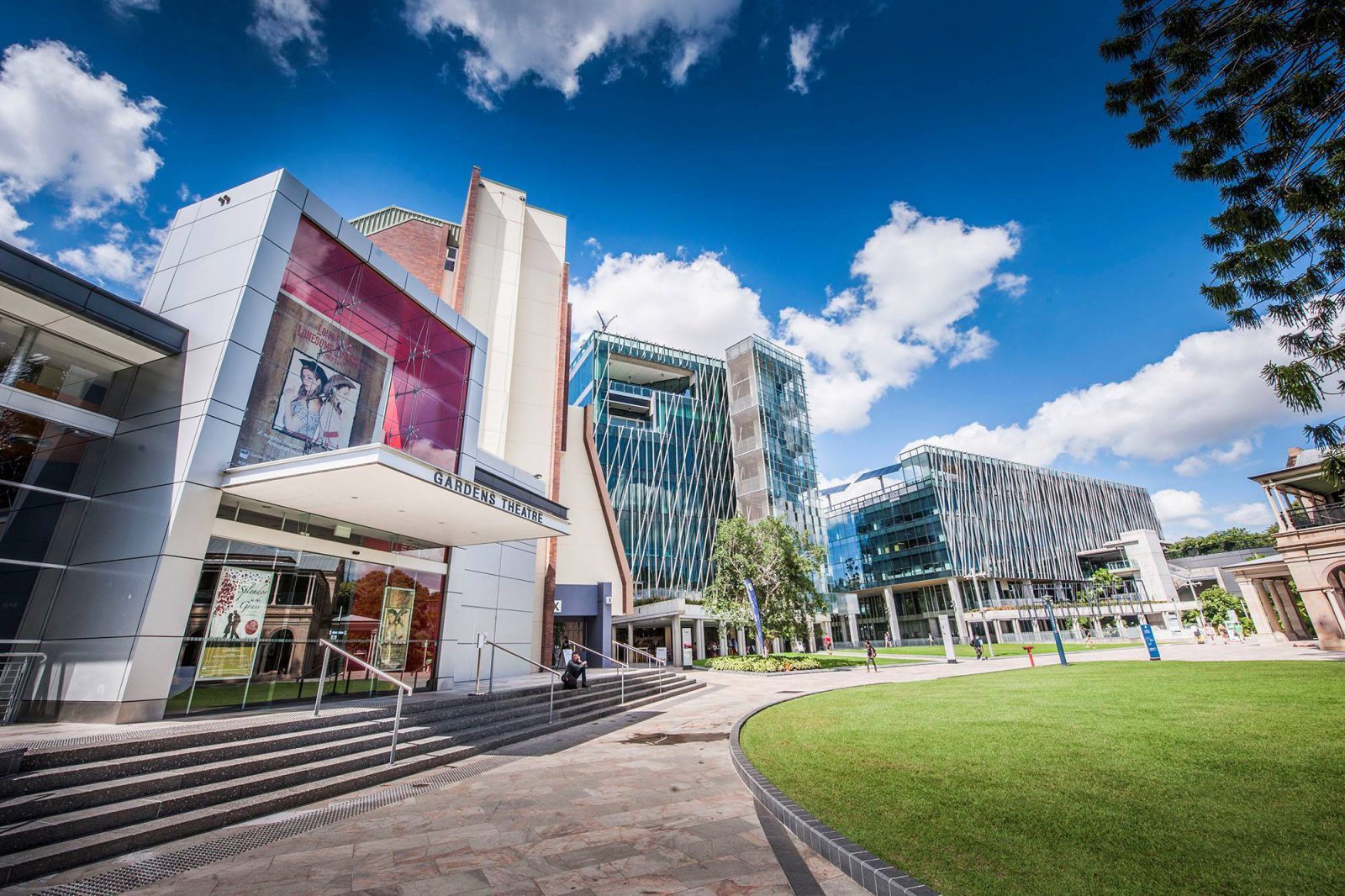
Preparation for a strong application therefore centres on mapping existing achievements against the listed indicators. A curriculum vitae should foreground doctoral completion, examples of interdisciplinary unit teaching, curriculum leadership with student feedback data, digital innovation examples, research outputs with funding details, and partnership outcomes. Statements addressing equity and Indigenous engagement should be specific rather than declarative.
The short closing date concentrates attention on candidates whose records already align closely with the published criteria. Those records will show both the disciplinary anchor and the collaborative reach the position requires. The design of the advertisement makes that dual expectation legible from the outset.



Discussion
Be the first to comment on this article!
You’ll be asked to sign in before your comment is posted.