

Bond University has opened applications for a Senior Technical Officer, Science Laboratories at its Gold Coast campus. The role is advertised through the university's online jobs portal and is the kind of position that rarely makes headlines but keeps every practical class, research trial and equipment audit running.
The successful applicant will join the university's science operations team and take responsibility for laboratory facilities, technical staff, chemical stores and safety systems. It's a working supervisor role, not a desk job: the officer is usually the first person called when a freezer alarm sounds or a practical class needs more reagents at short notice.
What a senior technical officer actually does
At an Australian university, a senior technical officer in science laboratories sits between the academic teaching staff and the hands-on technical work. The job usually includes preparing laboratory reagents and specimens, maintaining analytical instruments, coordinating hazardous substance registers, supervising technicians, and checking that each teaching laboratory is set up to the right standard before students arrive.
The role also carries a compliance edge. Senior officers are often responsible for scheduled equipment servicing, autoclave validation, safety shower and eyewash checks, and the correct storage of flammable liquids, corrosives and compressed gases. At Bond, the position is likely to support wet chemistry, biomedical science, anatomy teaching and exercise physiology spaces, though the exact mix depends on the faculty's teaching timetable.
In practice the day starts early. A senior technical officer might review the next morning's lab bookings, confirm a gas line for a chemistry class, brief a technical assistant on the afternoon dissection session and check the autoclave log. The work is physical and precise: moving equipment, counting consumables and documenting what was done for the next safety audit.
The difference between a technician and a senior technical officer
Laboratory technicians tend to carry out set tasks under direction. A senior technical officer is expected to plan, prioritise and allocate those tasks, then answer for the outcome. That's why the title matters and why it typically attracts candidates with several years of laboratory operations experience, not just a science qualification.
Selection panels in this field often want evidence that you've trained someone else on a piece of equipment, updated a standard operating procedure, or corrected a dangerous goods storage problem before an inspector found it. These are small things on paper and enormous things in a working lab.
Why Bond's teaching calendar changes the job
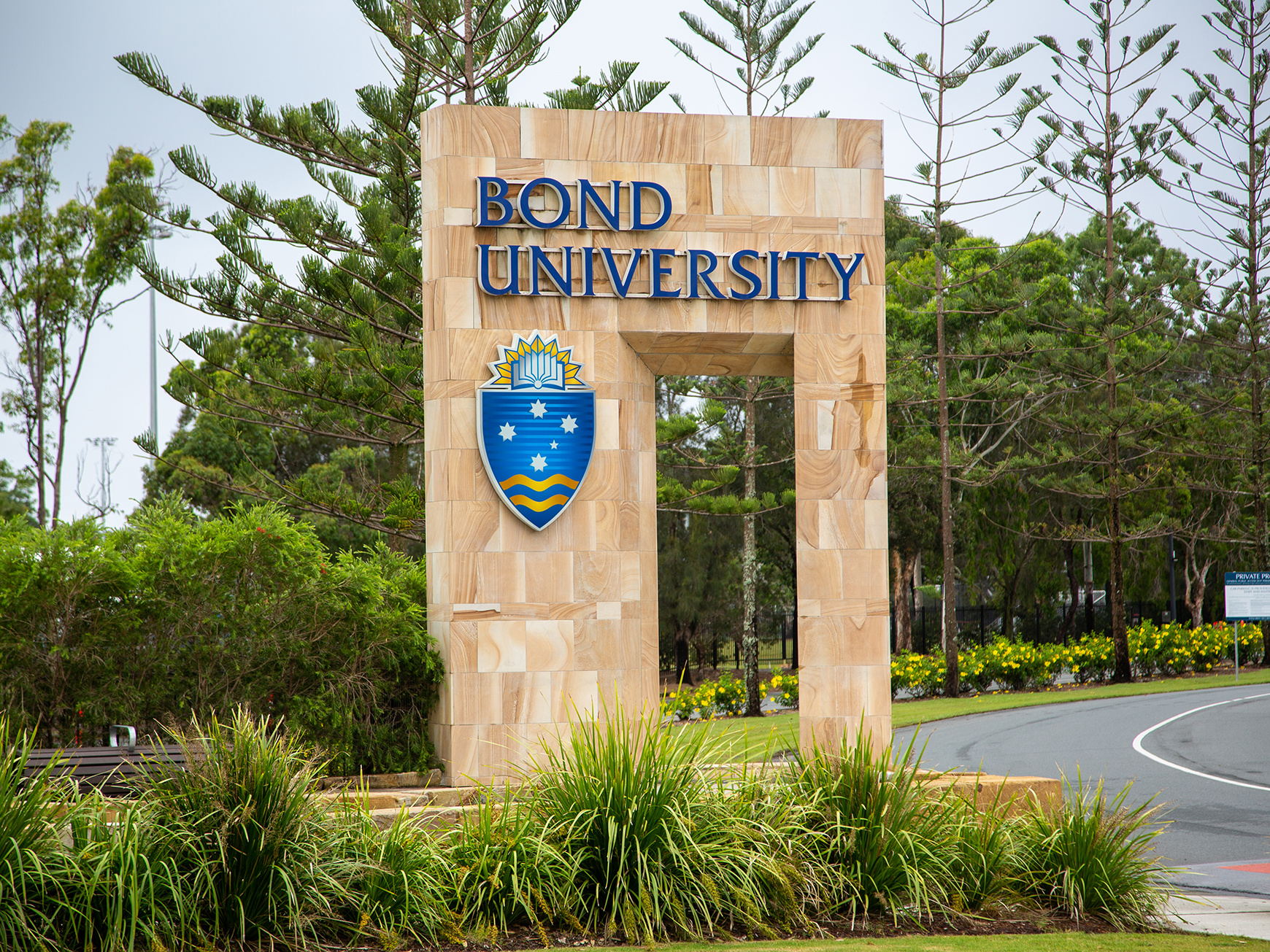
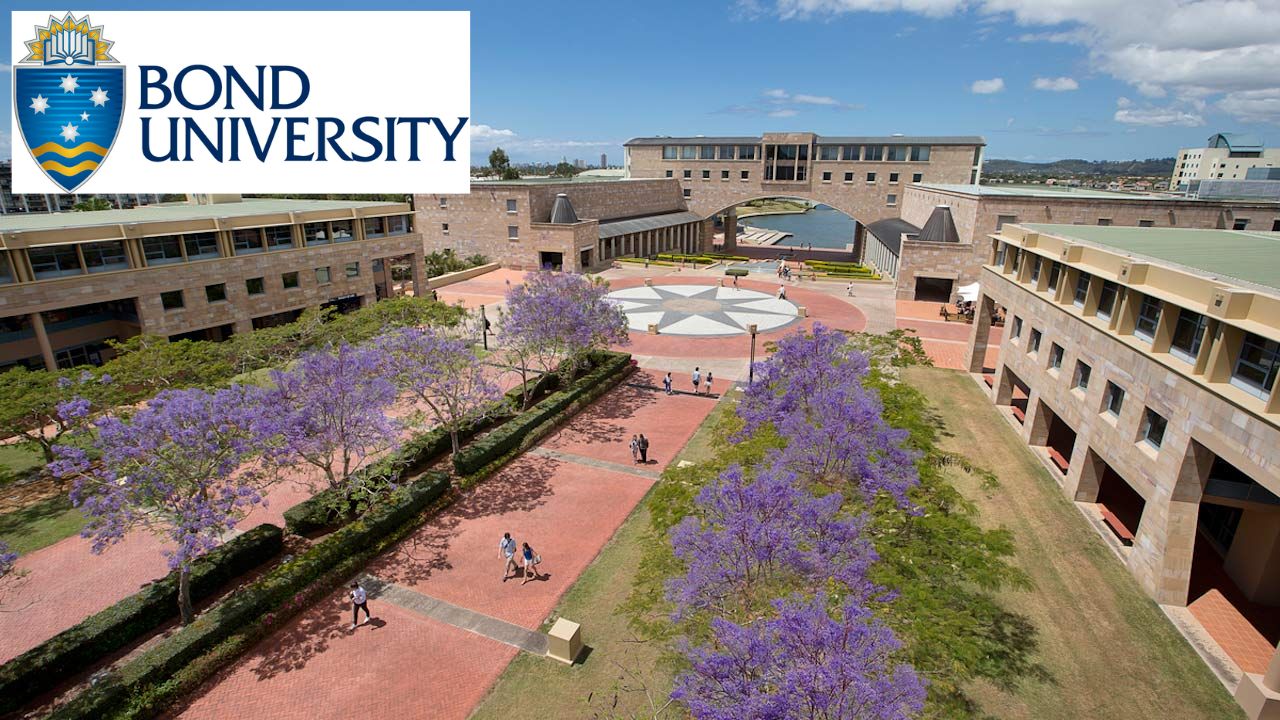
Bond University runs three semesters each year, not the two-semester model common at Australian public universities. That means shorter breaks between teaching periods and a faster rhythm for laboratory preparation, turnaround and maintenance. A senior technical officer at Bond will often be preparing for one semester during the first weeks of another, with maintenance fitted around the teaching timetable.
The university's Gold Coast location also means the campus supports a mix of health, medical and science programs that rely on practical teaching spaces. From a technical workload perspective, that mix creates demand for staff who can move between chemistry, biology and clinical simulation environments without losing track of the compliance paperwork back in the lab office.
What strong applicants bring
There is no single entry path into this role. Some strong applicants hold a Bachelor of Science in chemistry or biomedical science; others come from vocational laboratory operations training and have spent years running analytical instruments. The deciding factor is usually proven lab experience, not the name of the qualification.
For a senior position, selection panels will look for:
- Experience managing chemical safety, dangerous goods storage, controlled waste and emergency spill response
- A record of supervising or coordinating technical staff in a busy teaching or research laboratory
- Familiarity with asset registers, calibration schedules, laboratory information systems and user induction records
- Knowledge of workplace health and safety duties under Queensland legislation
Queensland's WHS rules set specific duties for hazardous chemicals and plant in workplaces, and laboratory managers are expected to know those obligations. WorkSafe Queensland's guidance for hazardous chemicals is a useful starting point for candidates checking their own knowledge.
The shortage behind the advertisement
Jobs and Skills Australia has identified science technicians and related technical occupations as being in shortage in parts of the country. That means universities are not only competing with each other for experienced laboratory staff; they're competing with hospital pathology labs, environmental testing companies, and private analytical services that run urgent samples.
Queensland's Gold Coast and Brisbane corridor is active in health and biomedical research, which increases demand for people who can manage PC2 laboratories, cold storage, and autoclaves and sterilisation equipment. A senior technical officer with those skills is a hire-and-keep priority. The shortage is also reflected in how senior laboratory roles are written: employers want candidates who can step into supervision and compliance quickly.
Useful context on national shortages is available from Jobs and Skills Australia.
What this means for your lab
Laboratories lose more than a person when a senior technical officer departs; they lose the unwritten system. I've watched a Brisbane hospital research lab spend a week reconstructing a freezer alarm protocol because the previous officer left no handover note. The instruments were serviceable. The operational knowledge was not.
If you are applying for this role, use the interview to show you understand that side of the work. Talk about the logbooks you maintained, the safety data sheets you updated, or the time you trained a new technician on a centrifuge. A strong application points to systems you built, not just tasks you completed.
How to apply
The full position description is on Bond University's recruitment site. It includes the contact officer, closing date, salary classification and application instructions. Review it at the Bond University job listing.
A summary of the role is also published on AcademicJobs, which can be useful for comparing this position with similar university technical roles in Australia.
Before you submit, prepare:
- An updated CV listing laboratory equipment, safety systems, technical software and instrument logs you have used
- Responses to each selection criterion from the position description, with one specific example per criterion
- Details of two professional referees who have seen you work in a laboratory setting
- Evidence of any WHS, dangerous goods, first aid or emergency spill training
What to expect after you submit
Bond University runs its recruitment through an online portal, and shortlisted applicants are usually invited to an interview that may include a walkthrough of the science laboratories. Expect questions about chemical handling, equipment troubleshooting, waste disposal and how you would manage a practical class with limited technical staff.
If you are not shortlisted, the application still has value. Senior technical officer roles in Australian universities do not appear every month, but when they do the selection criteria tend to overlap. A tailored response to this position can be adapted quickly for the next laboratory manager or senior technician advertisement you see.
Set a 20-minute block this week to read the full position description at the Bond University link. If two of the selection criteria ask for experience you do not yet have, write them down. They'll define the next training you request in your current role.

.jpg)
.jpg)
.jpg)



Discussion
Be the first to comment on this article!
You’ll be asked to sign in before your comment is posted.