

The Growing Importance of Space and Asset Management in Australian Universities
Australian higher education institutions face increasing pressure to optimise their physical resources as student enrolments grow and research demands evolve. Effective management of campus spaces, logistics operations, and institutional assets ensures that teaching, learning, and research activities run smoothly. Roles like the Space, Logistics and Assets Support Officer play a vital part in this ecosystem, particularly within faculties that rely on specialised facilities such as laboratories, simulation centres, and clinical spaces.
At Queensland University of Technology (QUT), the Faculty of Health exemplifies how dedicated support positions contribute to operational excellence. This faculty delivers programs in nursing, allied health, biomedical sciences, and more, all of which require precise coordination of rooms, equipment, and supplies. The Support Officer position provides essential operational and administrative assistance to the Space Logistics and Assets team, helping maintain high standards across Kelvin Grove campus facilities.
Understanding QUT’s Faculty of Health and Its Facilities Needs
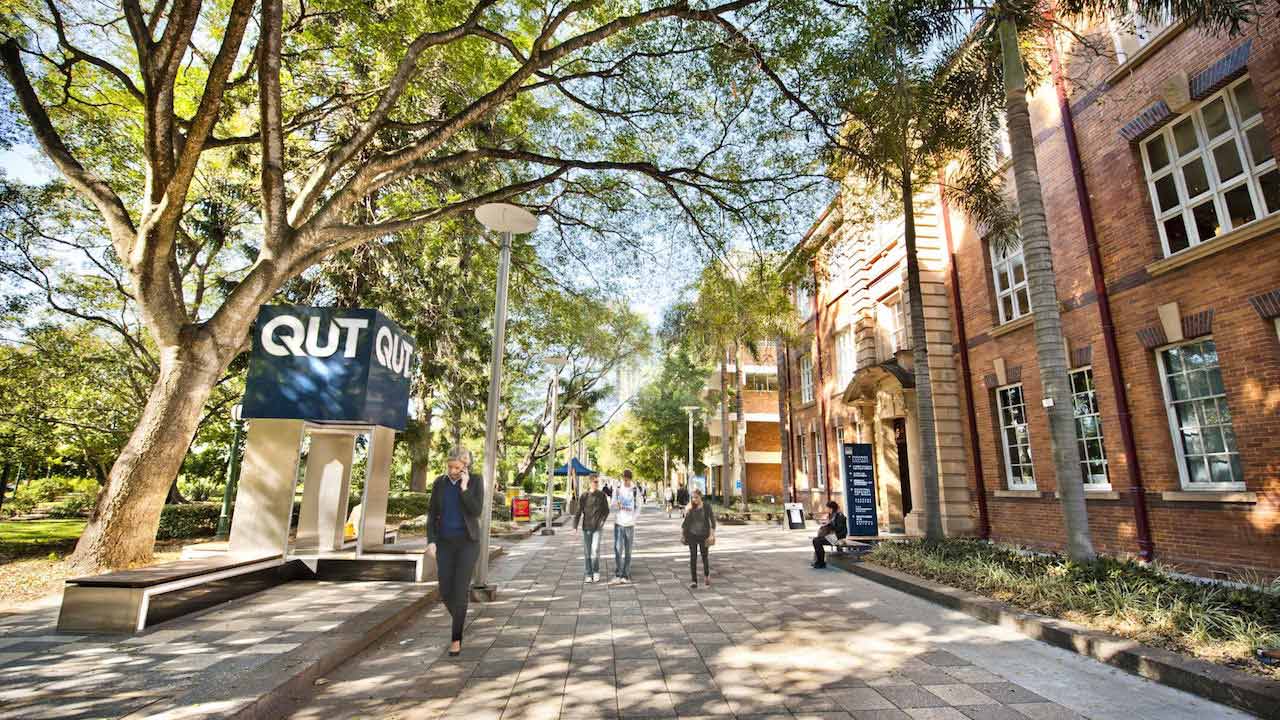
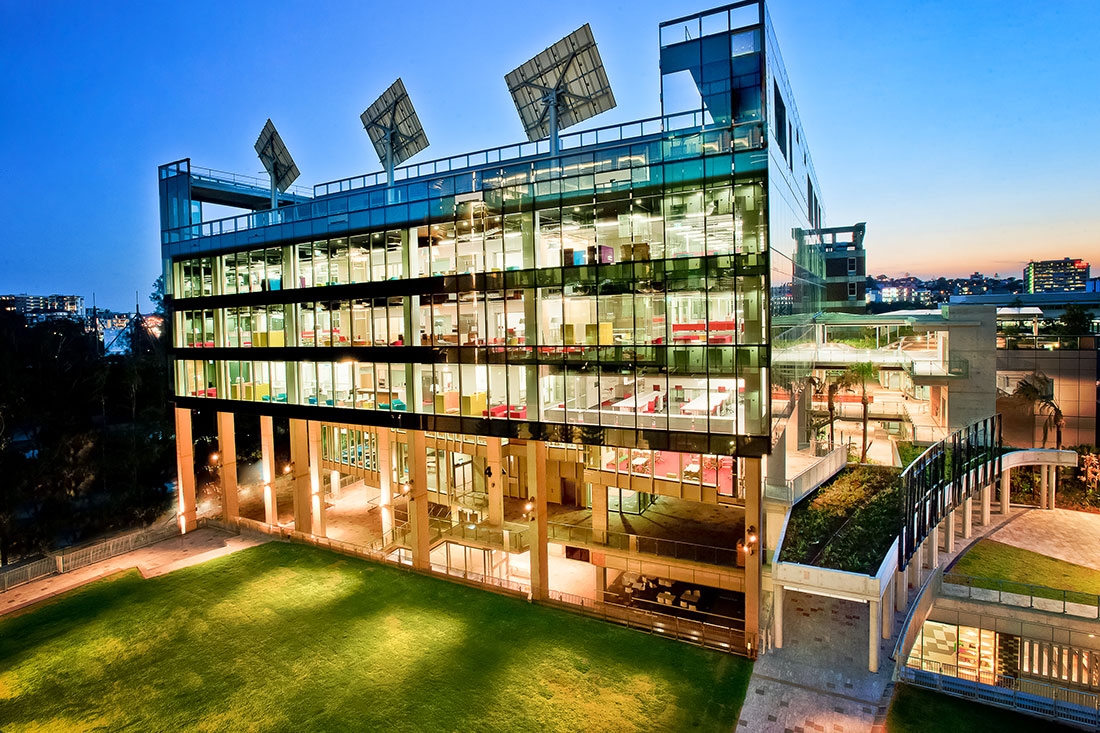
QUT’s Faculty of Health stands as a leader in preparing graduates for real-world healthcare careers. Located primarily at the Kelvin Grove campus in Brisbane, the faculty features purpose-built environments including clinical simulation centres, medical imaging labs, radiotherapy training facilities, and the QUT Health Clinics that serve the public. These spaces demand careful oversight to support both student practical training and community services.
The faculty’s emphasis on hands-on learning means that space allocation must accommodate varying class sizes, research projects, and clinical placements. Assets ranging from advanced diagnostic equipment to everyday furniture require tracking, maintenance scheduling, and efficient relocation when needed. Administrative support ensures compliance with university policies on space utilisation while minimising disruptions to academic activities.
What the Space, Logistics and Assets Support Officer Role Involves
This position focuses on delivering day-to-day operational and administrative backing to the Faculty of Health’s Space Logistics and Assets team. Core duties typically include assisting with space booking systems, coordinating asset inventories, supporting logistics for equipment moves or refurbishments, and preparing reports on utilisation metrics.
Candidates can expect involvement in maintaining accurate records of room allocations, liaising with academic staff on facility requirements, and helping implement sustainable practices such as energy-efficient space use. The hybrid nature of the role offers flexibility while requiring strong organisational skills and attention to detail. It represents an entry or mid-level opportunity in university operations, ideal for those interested in the behind-the-scenes work that enables world-class education.
- Coordinating requests for teaching and research spaces
- Tracking and reporting on asset conditions and locations
- Supporting logistics planning for faculty events or relocations
- Assisting with compliance and safety documentation
Challenges Facing Facilities Management in Australian Higher Education
Universities across Australia contend with aging infrastructure, rising maintenance costs, and the need to accommodate growing interdisciplinary programs. Health faculties in particular must balance clinical training requirements with evolving technologies and regulatory standards for healthcare education.
Space optimisation has become critical as institutions seek to maximise value from limited real estate. Inefficient allocation can lead to underused rooms or overcrowded labs, affecting both student experience and research productivity. Logistics challenges arise when moving sensitive equipment or setting up temporary simulation environments. Asset management systems must integrate with broader university databases to prevent loss or duplication of resources.
These pressures highlight why dedicated support roles are essential. They bridge the gap between strategic planning by coordinators and practical execution on the ground.
How Effective Space Management Enhances Teaching and Research Outcomes
Well-managed facilities directly impact the quality of education. In health disciplines, students benefit from reliable access to simulation labs that mirror real clinical settings. Proper logistics ensure equipment is available when needed, reducing downtime and enhancing practical skill development.
Research activities also thrive when assets are tracked efficiently and spaces can be reconfigured for collaborative projects. At institutions like QUT, this supports partnerships with industry and government in areas such as biomedical innovation and public health initiatives. Streamlined operations free academic staff to focus on curriculum development and student mentorship rather than administrative hurdles.
Career Pathways in University Administration and Operations
Positions such as the Space, Logistics and Assets Support Officer serve as valuable stepping stones in higher education careers. Professionals in these roles develop expertise in project coordination, stakeholder engagement, and resource planning—skills transferable across faculties or into senior facilities management positions.
Many individuals progress to roles like Space Coordinator, Operations Manager, or even Executive Director of Facilities. Experience in a dynamic faculty like Health provides exposure to complex environments involving clinical compliance and public-facing services. For those passionate about supporting educational missions without direct teaching responsibilities, these administrative paths offer rewarding, stable employment with opportunities for professional development.
Technological Trends Shaping Modern University Space and Asset Management
Digital tools are transforming how universities handle facilities. Integrated booking platforms, IoT sensors for real-time space utilisation, and asset tracking software with QR codes or RFID improve accuracy and reduce manual effort. Sustainability software helps monitor energy use tied to space occupancy.
QUT, like other forward-thinking institutions, adopts such innovations to support its “university for the real world” ethos. Support officers increasingly work with these systems, analysing data to recommend improvements. This evolution creates demand for staff comfortable with technology while maintaining strong interpersonal skills for liaising with diverse university users.
QUT’s Approach to Facilities Excellence and Policy Framework
QUT maintains a comprehensive Space Management Policy that guides allocation and utilisation across its campuses. This framework emphasises efficient use of resources while supporting the university’s teaching and research priorities. The Faculty of Health benefits from dedicated coordination that aligns with these institutional standards.
By investing in supportive roles, QUT ensures its health programs remain competitive nationally and internationally. The Kelvin Grove campus, with its integrated village setting, provides an ideal environment for collaborative, community-oriented health education. Prospective applicants can explore more about the faculty’s facilities and programs directly through official university channels.
Applying for the Role and Broader Opportunities in Australian Higher Education
Interested candidates should review the full position details and submit applications via the official QUT recruitment portal. The role is based at Kelvin Grove with hybrid arrangements, offering a competitive salary range and the chance to contribute to a respected institution. For additional visibility into similar positions across Australian universities, resources like AcademicJobs.com provide curated listings focused on academic and professional staff roles.
Applications typically highlight organisational abilities, familiarity with administrative systems, and any prior experience in logistics, facilities, or higher education environments. The fixed-term or ongoing nature varies, but such positions often lead to longer-term career growth within the sector.
Future Outlook for Space, Logistics, and Assets Roles in Higher Education
As Australian universities expand their health and STEM offerings amid national priorities for workforce development, demand for skilled facilities support professionals is expected to remain strong. Integration of smart campus technologies, focus on sustainability, and the need for flexible learning spaces will shape these positions further.
Roles like this one at QUT illustrate the vital intersection of operational efficiency and educational mission. They enable institutions to deliver high-quality programs while managing resources responsibly. For job seekers and current administrators alike, understanding these dynamics opens doors to meaningful contributions in the higher education landscape.