

Exciting Opportunity for Administrative Support in Student Placements at James Cook University
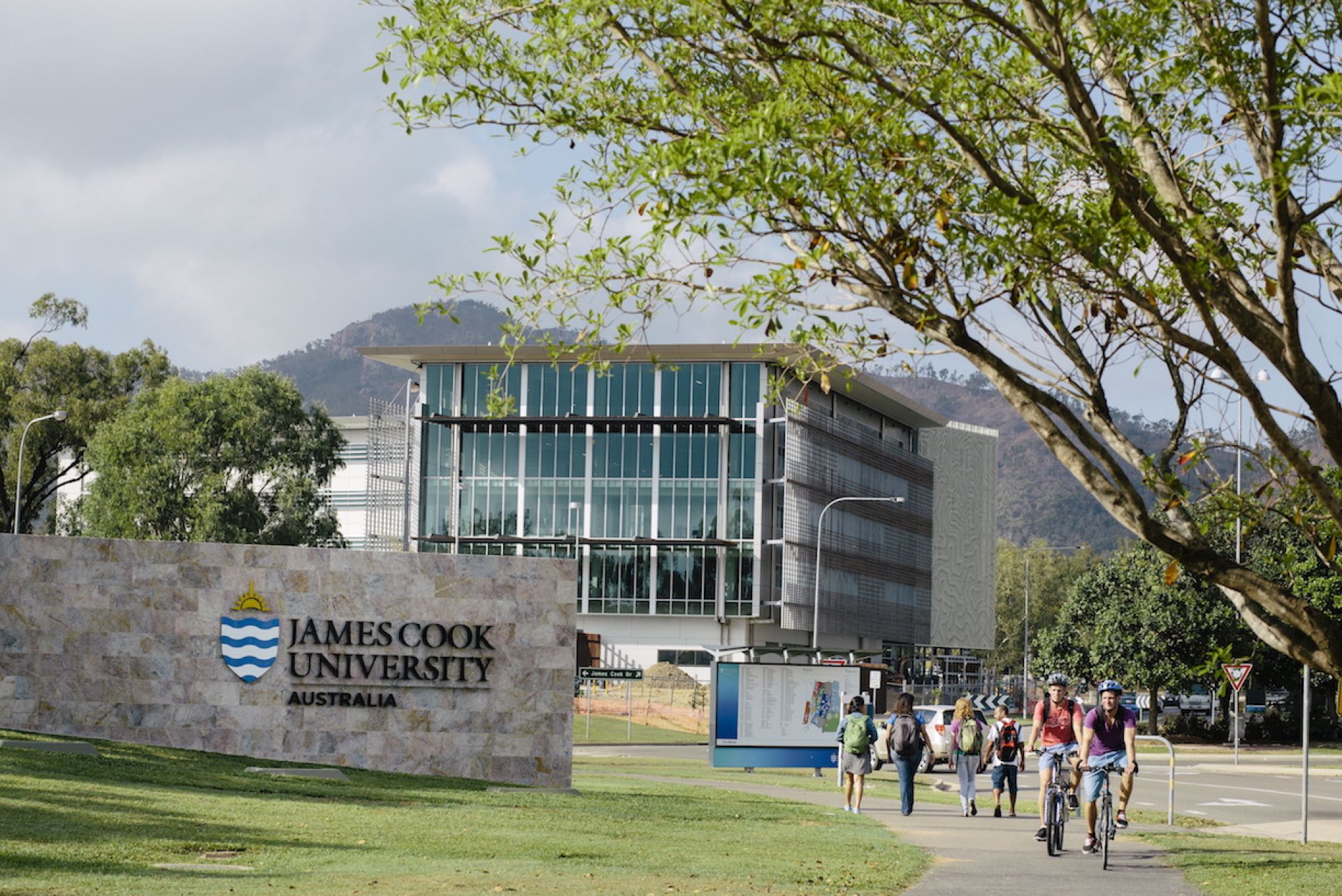
James Cook University in Townsville is currently seeking a dedicated Student Placement Assistant to join its Work-Integrated Learning, Placements and Accommodation team. This full-time fixed-term role, running until 30 June 2027, plays a vital part in supporting the university's extensive placement programs that prepare thousands of students each year for professional careers. Located at the Bebegu Yumba campus, the position offers a competitive salary range of $72,701 to $77,229 plus generous superannuation contributions and a comprehensive benefits package.
The role serves as the primary point of contact for students, staff, and external partners navigating the complexities of securing and completing placements. By handling enquiries efficiently and processing essential paperwork, the assistant helps ensure smooth operations across diverse disciplines including health, education, and social sciences. This position exemplifies the behind-the-scenes administrative excellence that underpins successful higher education outcomes in Australia.
The Expanding Role of Work-Integrated Learning in Australian Universities
Work-integrated learning, commonly referred to as WIL, has become a cornerstone of higher education across Australia. It bridges the gap between theoretical knowledge gained in classrooms and practical skills required in the workplace. Universities like James Cook University integrate placements, projects, clinical practice, and fieldwork into curricula to enhance graduate employability and meet industry needs in regions such as Northern Queensland and the tropics.
These experiences allow students to apply classroom concepts in real-world settings, develop professional networks, and build confidence. For institutions, WIL supports accreditation requirements and strengthens partnerships with employers. Industry benefits from a pipeline of work-ready graduates who understand local contexts, particularly in critical areas like tropical health, marine science, and environmental management.
With over 5,000 student placements supported annually at JCU alone, the scale of these programs highlights their importance. Administrative roles ensure compliance with regulations, accurate record-keeping, and positive experiences for all stakeholders involved.
Core Responsibilities in Supporting Placement Success
A Student Placement Assistant manages the day-to-day coordination that keeps placement programs running effectively. Primary duties include responding to enquiries from students and staff with a customer-focused approach, providing accurate information on processes and requirements.
Key tasks involve coordinating pre-placement documentation such as insurance forms, police checks, and vaccination records. The assistant monitors activity in university databases to maintain compliance and generates reports on placement progress. This meticulous work prevents delays and supports successful outcomes for everyone.
By acting as a liaison between the university and placement hosts, the role fosters strong relationships that benefit future cohorts. Attention to detail and the ability to handle high volumes of tasks in a team environment are essential for delivering professional service standards.
Essential Skills and Attributes for the Position
Success in this administrative role requires strong communication abilities, both written and verbal, to interact positively with diverse groups. Organisational skills help prioritise competing deadlines while maintaining accuracy in data entry and record management using tools like the Microsoft Office suite and specialised student systems.
Candidates should demonstrate independence alongside teamwork capabilities, especially in fast-paced settings. A proactive attitude toward problem-solving and a commitment to continuous improvement align well with university values of authenticity, excellence, integrity, and respect.
Previous experience in education administration, customer service, or similar coordination roles provides a solid foundation, though the position welcomes applicants who bring relevant transferable skills and a passion for supporting student development.
Advantages of a Career at James Cook University
Working at JCU offers more than a standard employment package. Employees enjoy up to 17% employer superannuation contributions, five weeks of annual leave plus loading, and 15 days of paid sick or carers leave annually. Additional perks include flexible working arrangements, study assistance, professional development opportunities, and access to fitness programs and employee assistance services.
The university's focus on tropical and regional issues creates meaningful work that contributes to real-world impact. Staff benefit from modern facilities, on-site services, and a culturally diverse environment that values work-life balance. These elements make JCU an attractive employer for those seeking purpose-driven roles in higher education.
How Placement Support Roles Benefit Students, Institutions, and Partners
Effective administrative support directly enhances student experiences by reducing barriers to placement participation. Students receive timely guidance on requirements, leading to higher completion rates and better preparation for post-graduation employment.
Universities maintain strong compliance records and build sustainable industry relationships, which in turn attract more placement opportunities. External partners, such as hospitals, schools, and community organisations, appreciate streamlined processes that minimise administrative burdens on their end.
Overall, these contributions strengthen the entire higher education ecosystem, producing graduates who are more adaptable and connected to their fields.
Addressing Common Challenges in University Placement Programs
Managing large-scale placement programs involves navigating regulatory requirements, securing sufficient high-quality opportunities, and ensuring equitable access for all students. Roles like the Student Placement Assistant help mitigate these issues through organised tracking, proactive communication, and efficient paperwork handling.
Regional universities face unique considerations, such as limited local hosts in specialised areas, yet they leverage unique strengths in tropical and remote contexts. Consistent administrative support ensures programs remain responsive and inclusive.
Examples of Successful Placement Partnerships at JCU and Beyond
JCU collaborates with organisations including Education Queensland and various health services to deliver diverse experiences. Partnerships like the one with Townsville City Libraries for social work students demonstrate how targeted placements build practical skills while addressing community needs.
Similar administrative positions at other Australian universities highlight the demand for skilled coordinators who manage end-to-end processes. These examples underscore the value of dedicated support staff in scaling WIL initiatives effectively.

Emerging Trends Shaping the Future of Student Placements
The landscape of work-integrated learning continues to evolve with greater emphasis on hybrid and virtual options, enhanced use of technology for matching students to opportunities, and deeper integration of industry feedback into curricula. Administrative professionals will increasingly use data analytics to optimise outcomes and support continuous improvement.
As demand for work-ready graduates grows, universities are expanding placement volumes and diversifying offerings across disciplines. Roles focused on coordination and support remain essential to realising these ambitions while maintaining quality and compliance standards.
Practical Steps for Those Interested in Similar Higher Education Roles
Individuals considering administrative positions in student placements should highlight relevant experience in coordination, customer service, and database management in their applications. Tailoring cover letters to demonstrate understanding of WIL benefits and university processes strengthens candidacy.
Exploring opportunities through university career portals and professional networks provides valuable insights. Building knowledge of regulatory frameworks around vocational placements further prepares applicants for success in these impactful roles.
.jpg)

.jpg)
.jpg)


Discussion
Be the first to comment on this article!
You’ll be asked to sign in before your comment is posted.