
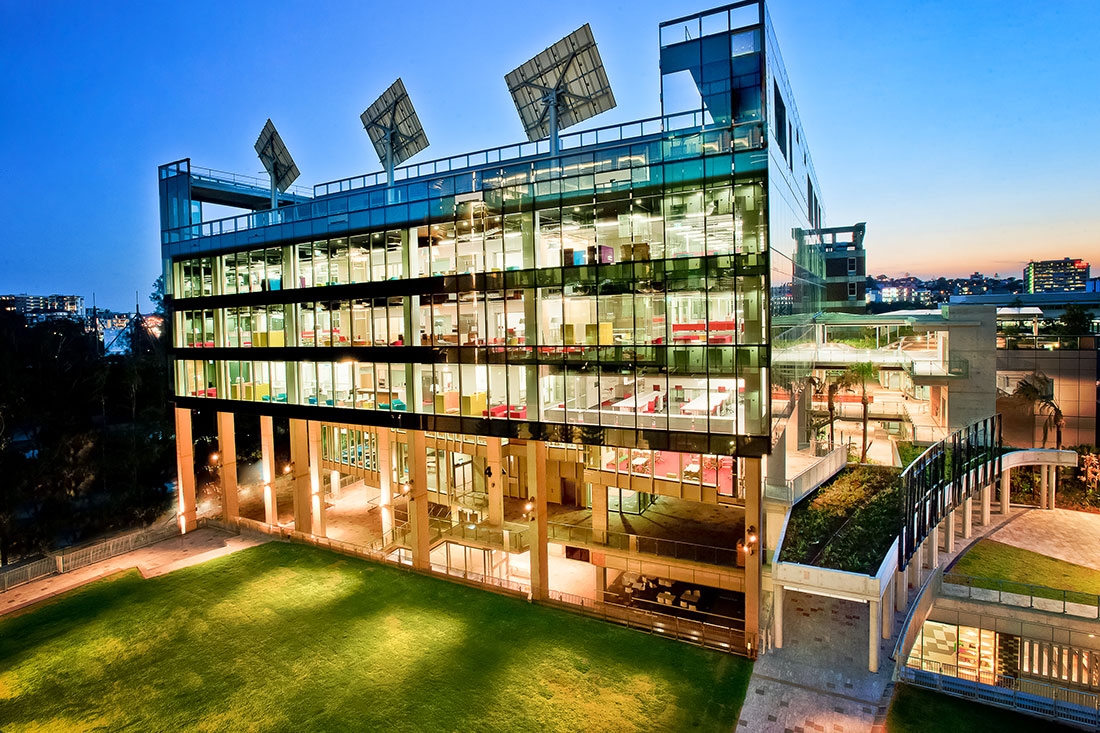
Unlocking Campus Comfort and Efficiency at QUT
Queensland University of Technology continues to invest in its physical infrastructure to support world-class teaching, research and student experiences across its Brisbane campuses. A key part of this commitment involves maintaining sophisticated heating, ventilation and air conditioning systems that keep learning environments optimal year-round. The university has recently advertised an ongoing full-time Technical Officer HVAC Systems role within its Facilities Management team, offering a competitive salary package and the chance to contribute directly to campus operations at both Gardens Point and Kelvin Grove sites.
This position highlights the growing recognition within Australian higher education of the vital role technical specialists play in ensuring reliable, energy-efficient building services. With thousands of students, staff and visitors relying on comfortable indoor conditions every day, HVAC expertise helps create spaces where learning and innovation can thrive without interruption.
Understanding the Demands of Modern University HVAC Systems
Heating, ventilation and air conditioning systems in large institutional settings go far beyond basic temperature control. At a university like QUT, these systems must handle diverse requirements including lecture theatres with high occupancy, research laboratories needing precise environmental conditions, libraries preserving sensitive materials, and administrative buildings supporting daily operations. Effective HVAC management involves coordinating maintenance, supervising contractors, implementing preventative strategies and responding swiftly to any issues that arise.
Professionals in these roles work with primary and secondary chilled water central plants, building management systems and a range of air conditioning equipment. They ensure compliance with workplace health and safety standards while optimising performance to support sustainability goals. In Brisbane's subtropical climate, where humidity and temperature fluctuations are common, skilled oversight prevents disruptions that could affect classes, exams or critical research activities.
Key Responsibilities in the Technical Officer Role
The Technical Officer HVAC Systems coordinates maintenance support across QUT's facilities. Core duties include performing trade-level HVAC work, managing external suppliers and contractors, and overseeing minor works projects in the HVAC area. The role requires close collaboration with other Facilities Management departments to maintain reliable and efficient systems campus-wide.
Daily activities often involve monitoring building management systems, diagnosing faults in chilled water plants and air handling units, and developing maintenance schedules that minimise downtime. Contract administration forms another important element, ensuring work meets quality standards and budgets are controlled effectively. Analytical skills help in routine technical and financial tasks, while strong communication abilities support relationship building with colleagues, clients and external partners.
- Supervising HVAC suppliers and contractors on-site
- Implementing preventative and corrective maintenance programs
- Operating and maintaining major air conditioning infrastructure
- Ensuring adherence to Queensland workplace health and safety legislation
- Contributing to minor works and system upgrades
Essential Qualifications and Experience Required
Successful candidates need a combination of formal licenses and practical expertise. Required credentials include a Queensland restricted electrical licence, refrigerant handling licence and HVAC trade licence, along with a current C class driver's licence. A QBCC Mechanical Services Occupational licence is preferred though not mandatory.
Proven experience in a supervisory HVAC position across multiple sites is essential, including contractor oversight and contractual administration. Demonstrated knowledge of primary and secondary chilled water central plant operations, major air conditioning systems and HVAC building management systems rounds out the technical requirements. Candidates should also bring well-developed problem-solving abilities, interpersonal skills and the physical capability to handle tasks such as ladder work and manual handling.
How HVAC Expertise Supports Teaching, Research and Student Life
Reliable climate control directly influences the quality of educational delivery. Lecture theatres must maintain comfortable conditions during extended sessions, while laboratories often require stable temperatures and humidity levels for experiments and equipment protection. Libraries and archives benefit from consistent environments that help preserve collections.
Student satisfaction and retention can be positively affected by well-maintained facilities. When HVAC systems operate efficiently, occupants experience fewer complaints about stuffiness or temperature extremes, allowing greater focus on academic pursuits. Research activities, particularly those involving sensitive instrumentation or biological samples, depend on uninterrupted environmental control provided by skilled technical teams.
Sustainability and Energy Efficiency in Higher Education Campuses
Australian universities face increasing pressure to reduce energy consumption and greenhouse gas emissions. HVAC systems typically account for a significant portion of building energy use, making optimisation a priority for institutions committed to environmental responsibility. Strategies such as upgrading controls, improving system efficiency and adopting smarter maintenance practices deliver both cost savings and sustainability benefits.
QUT's Facilities Management team contributes to these goals through careful management of chilled water systems and building management platforms. Preventative maintenance reduces unnecessary energy waste, while informed decision-making around equipment upgrades supports longer-term decarbonisation efforts. Roles like the Technical Officer HVAC Systems play a hands-on part in translating institutional sustainability targets into practical outcomes on campus.
Broader sector initiatives in Australia emphasise energy efficiency training and the adoption of advanced technologies in commercial and institutional buildings. Universities often lead by example, piloting solutions that can later inform wider industry practices.
Life at QUT and the Benefits of Working in University Facilities Roles
QUT offers employees a supportive environment with competitive remuneration, generous superannuation contributions and comprehensive leave entitlements. Staff enjoy access to fitness programs, salary packaging options and professional development opportunities including study assistance. The university's commitment to work-life balance includes flexible arrangements where applicable, alongside initiatives supporting diversity and inclusion.
Working within higher education facilities management provides unique advantages compared with purely commercial settings. Technical officers gain exposure to a wide variety of building types and system complexities, fostering continuous learning. The role contributes meaningfully to an institution's mission of education and research, creating a strong sense of purpose. QUT actively encourages applications from Aboriginal Australians and Torres Strait Islander peoples as part of its Indigenous employment strategy.
Career Pathways and Professional Growth in Higher Education Technical Positions
Technical roles in university facilities management offer clear progression opportunities. Experience gained at QUT can lead to senior supervisory positions, specialist consultancy work or broader facilities leadership roles across the sector. The combination of hands-on technical skills and administrative experience builds a versatile professional profile valued by other institutions and industry partners.
Many professionals appreciate the stability of ongoing university employment alongside the dynamic nature of campus environments. Ongoing training in emerging technologies, such as advanced building management systems and energy optimisation tools, keeps skills current and supports long-term career development.

The Application Process and Next Steps for Interested Candidates
Applications for the Technical Officer HVAC Systems position close on 22 April 2026. Interested individuals should review the full position description and submit materials through the official QUT recruitment portal. The university welcomes applications from those with the required licences, supervisory experience and a genuine interest in contributing to campus excellence.
Preparing a strong application involves clearly demonstrating relevant experience with multi-site HVAC operations, contractor management and building management systems. Highlighting any background in preventative maintenance strategies or workplace health and safety compliance strengthens candidacy. QUT values collaborative team players who can build effective working relationships across departments.
Looking Ahead: The Future of Campus Facilities Management in Australia
As higher education institutions continue to evolve, facilities management will play an even more central role in supporting institutional goals. Trends toward smarter buildings, enhanced indoor air quality standards and greater emphasis on sustainability will increase demand for skilled HVAC professionals. Technical officers who combine traditional trade expertise with knowledge of digital controls and energy management will be particularly well positioned.
QUT's proactive approach to recruiting experienced personnel reflects a sector-wide understanding that high-performing facilities underpin academic success. By investing in roles like this, universities ensure their campuses remain safe, comfortable and efficient environments for generations of students and researchers.


.jpg)





Discussion
Be the first to comment on this article!
You’ll be asked to sign in before your comment is posted.