
Church of Ireland Theological Institute is hiring a Lecturer in Missiology and Pioneer Ministry, and the job title does more work than most adverts do in ten paragraphs. You don't pair those two disciplines unless an institution wants a faculty member who can teach mission as a subject and train people to start new forms of church.
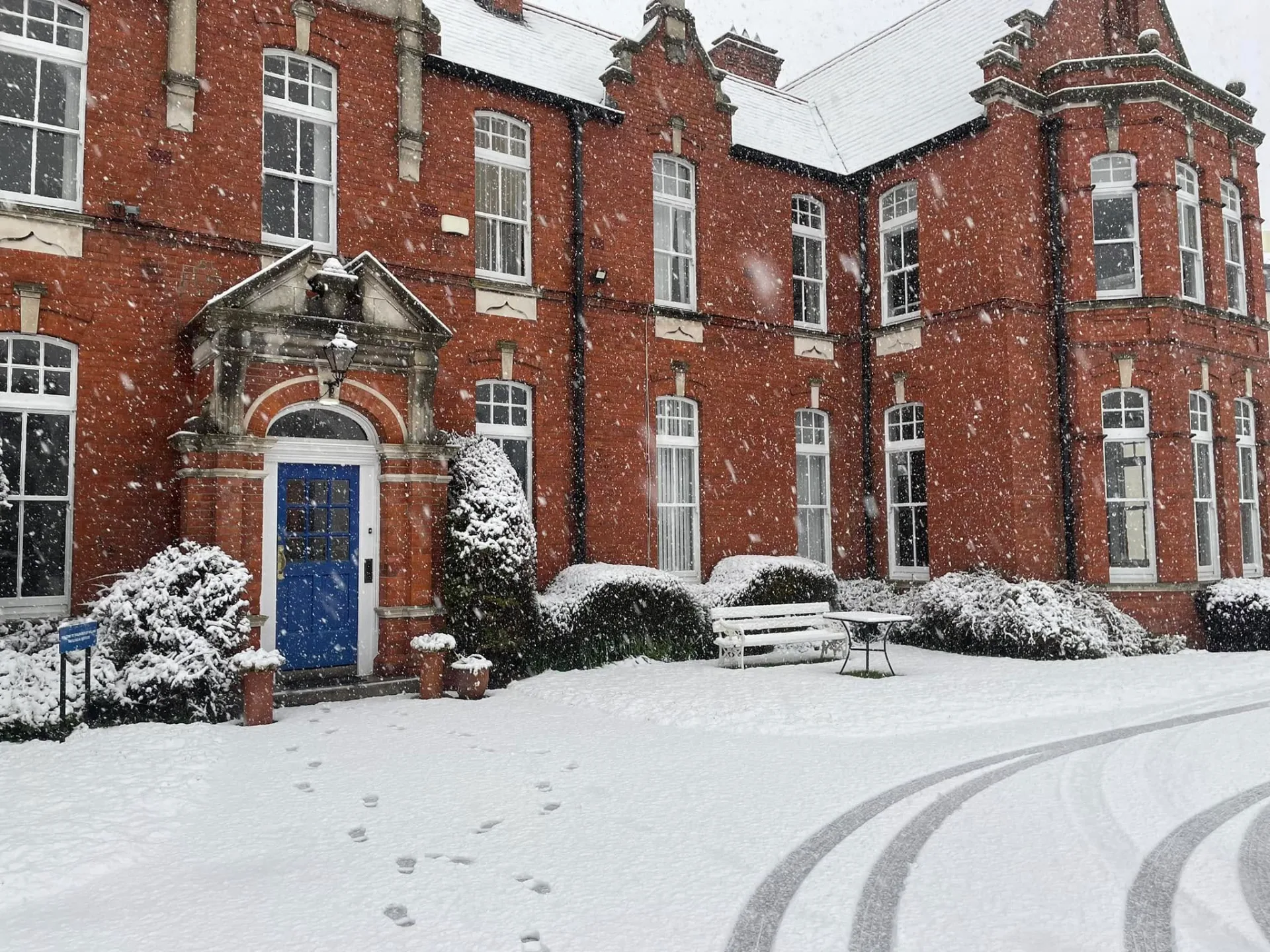
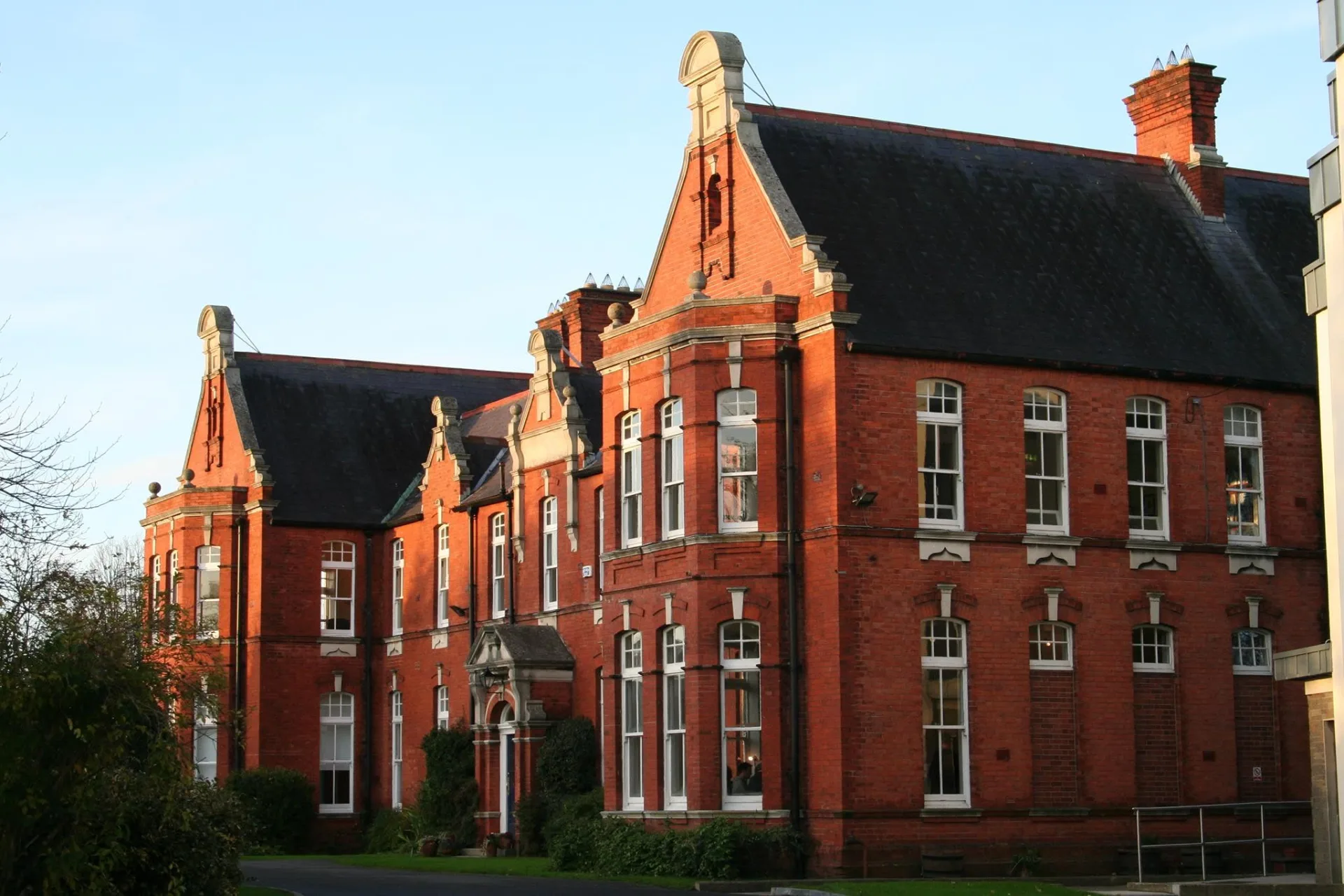
The post sits in Dublin at the Church of Ireland Theological Institute, the training body for ordained ministry in the Church of Ireland. That Anglican province covers both the Republic of Ireland and Northern Ireland. The role therefore has to speak to city parishes, rural dioceses, established congregations, and communities that do not yet exist.
For candidates outside the church world, missiology is the academic study of mission: its biblical roots, historical movements, cultural dynamics and theological debates. Pioneer ministry is the practice of forming new Christian communities among people who are not currently part of a congregation, often in cafes, schools, housing estates, digital spaces or other places where inherited parish models struggle to reach.
The role at Church of Ireland Theological Institute
At its core, the person appointed will teach candidates for ordained ministry how to think theologically about mission and then how to practise mission in contexts where the old assumptions don't hold. That means lectures and seminars on missiology, supervision of student placements, research supervision, and the ordinary work of helping ordinands reflect on practice.
The official advertisement on the institute's website is the only place to get the exact requirements, whether the post is full-time or part-time, and which qualifications are essential. It will state if ordination is required or preferred. In many Anglican theological colleges a lectureship in missiology is open to a lay theologian with a strong research record, while a post tied to pioneer ministry often expects actual experience of starting and sustaining a new Christian community.
Because CITI trains people for authorised ministry across the Church of Ireland, the successful candidate will need to connect academic work to formation. A researcher who cannot speak to a curate about a failed church plant is less useful in this post than a thoughtful practitioner who also publishes.
Missiology and pioneer ministry, taught together
Missiology and pioneer ministry have not always shared a job title. Missiology is a long-established field with journals, scholarly societies, and global conversations about colonialism, culture and conversion. David Bosch's Transforming Mission remains a standard survey of the discipline, and Lesslie Newbigin's work on the Western church as a mission field still shapes courses taught in post-Christian societies. Pioneer ministry is newer, more practical, and often led by people who learned by doing.
Anglican mission theology often organises itself around the Five Marks of Mission, a framework used across the Anglican Communion. These marks range from proclaiming the good news and nurturing new believers to responding to human need and caring for creation. A lecturer in missiology will teach those frames critically, not as slogans. A lecturer in pioneer ministry will then ask a harder question: where has the existing parish system stopped reaching people, and what does a new Christian community look like in that gap?
The Fresh Expressions movement, which grew out of the Church of England in the early 2000s, gave many Anglican provinces a common language for pioneer work. Irish dioceses have engaged with that conversation in different ways, and the Church of Ireland has encouraged pioneer ministry initiatives aimed at new housing areas, young adults and people with little connection to church life.
Why this hire will shape both students and future clergy
This is not a routine replacement post. A lectureship focused on mission and pioneer ministry will influence the kind of ministers CITI produces over the next decade. Students will absorb a particular assumption: ministry involves caring for an existing congregation and creating community where none exists.
The Church of Ireland faces different pressures in different places. A rural parish may have a small, ageing congregation and a school with no clergy contact. A Dublin suburb may have thousands of new homes and no worshipping community. A pioneer minister in those settings may start a midweek gathering, a parent-and-toddler group, a food project, or an online congregation. The lecturer will be expected to help students see those everyday activities as genuine sites of theological work.
That is why the job title matters. It tells applicants that the institute is not looking for someone who can merely lecture about mission history. It wants a faculty member who can walk into a placement review and help a student think about what worked, what failed, what the student learned, and what God might be doing through a project that does not look like a traditional service.
Applying: read the full advert, then prove you can do both
The full job description, person specification, and application process are on the Church of Ireland Theological Institute job page. The same vacancy is listed on AcademicJobs, where you can set an alert for similar theology and ministry posts. Before you write anything, read the institute's own wording closely. Committees write a person specification for a reason, and every requirement they list will be used in shortlisting.
Then write a cover letter that would only work for this job. Mention the missiology module you would teach. Describe a pioneer ministry initiative you have led, joined or studied. Name the context you know best, whether that is a city housing estate, a rural community, an online space, or a cultural setting no one has named yet. If you can, connect your answer to the Church of Ireland's twelve dioceses and the particular challenges of ministry on both sides of the border.
For candidates who want a broader sense of the discipline before applying, the International Association for Mission Studies gives a view of the global scholarly conversation. The Church of Ireland website carries official material on how the province organises mission and ministry.
- Print the person specification and annotate each requirement with evidence from your CV.
- Draft a cover letter that names a module you could teach and a pioneer context you know well.
- Read recent Church of Ireland material on mission so your answers are grounded in the province's actual priorities.
- Submit through the official portal before the closing date.
Your move this week
Don't wait until the closing date. Open the official job page, print the person specification, and mark every requirement against your CV with a note about the evidence you would use. If you have no evidence for a requirement, decide whether you can close that gap before applying or whether the role is a stretch. Then submit through the official route and keep the AcademicJobs alert live for similar roles in missiology, pioneer ministry, and theological education.


Discussion
Be the first to comment on this article!
You’ll be asked to sign in before your comment is posted.