
The University of Canberra is hiring a Postdoctoral Research Fellow in Environmental Physiology, and if you work on heat, altitude, humidity, or climate adaptation, this role deserves a close look before you send another generic application.
You already know the drill with university job ads. Keywords stacked in the title, selection criteria that read like boilerplate, and no clear signal about what the work will actually feel like week to week. The UC listing is better than most, but you still have to do your own reading between the lines. That's what this article is for.
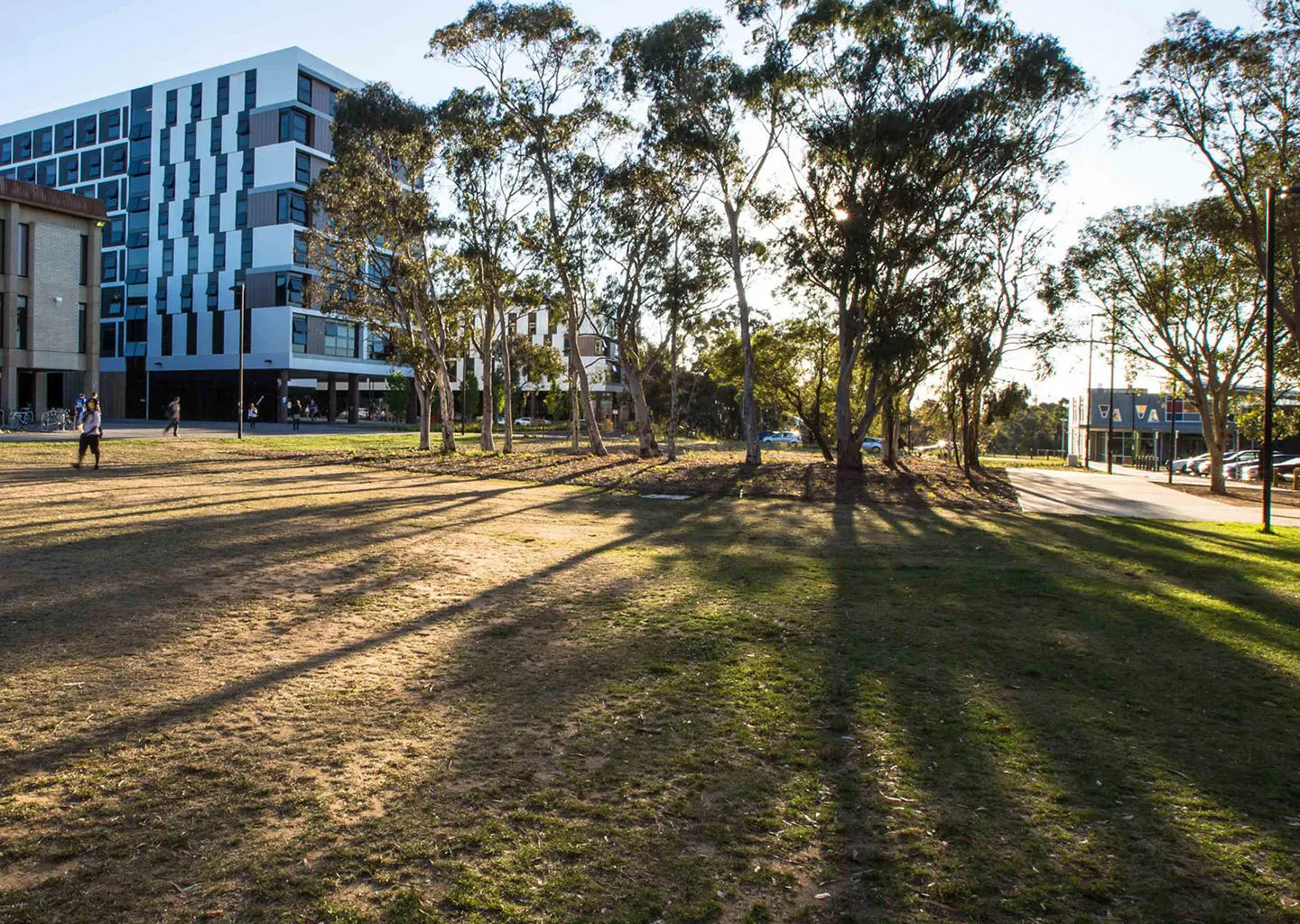
Here's the short version. The position sits within the University of Canberra's research environment, which has a strong track record in applied sport and exercise science. The university is in Bruce, in the Australian Capital Territory, about fifteen minutes north of Canberra's CBD and a short walk from the Australian Institute of Sport. That location matters. A lot of environmental physiology work in Canberra happens in partnership with elite sport and defence organisations, and those collaborations show up in the data you'll collect.
The listing itself is the definitive source on contracts, salary bands, and selection criteria. You can read it on UC's talent portal once you're ready to apply. I'll walk you through what the role typically involves, why the research field is growing in Australia, and how to put together an application that doesn't waste anyone's time.
What the role actually involves
Environmental physiology is the study of how the human body responds to environmental stress. Heat, cold, altitude, humidity, air quality, even water immersion. A postdoc in this field usually spends less time in an office and more time running controlled trials in climate chambers, collecting physiological data, and translating that data into peer-reviewed papers.
You will not be reinventing the wheel alone. You'll likely work under a senior researcher or lab head, manage a slice of a larger project, and supervise honours or PhD students. The exact split between lab work, fieldwork, and writing depends on the grant behind the position. Read the project description on the listing carefully. If it mentions bushfire smoke, you'll probably do human exposure studies. If it mentions heat acclimation, expect repeated measures on athletes or workers in a chamber that can hit 40 degrees and high humidity.
One piece of advice before you get too deep: email the contact person on the listing and ask a few specific questions. What's the first project you'd be assigned to? What equipment is already in place? What does a typical week look like in the first six months? Who would you report to day-to-day? If they can't answer those quickly, that tells you something too.
Why environmental physiology matters in Australia right now
Australia already runs hot, and it is getting hotter. The Bureau of Meteorology and CSIRO's State of the Climate reports show the continent has warmed by roughly 1.5 degrees since 1910, with more frequent and intense heatwaves. That is not a future problem. It changes how outdoor workers, athletes, older people, and anyone with respiratory conditions manage heat stress every summer.
Bushfire smoke added another layer after the 2019–2020 Black Summer. Researchers started looking harder at how fine particulate matter affects lung function, exercise tolerance, and recovery. Environmental physiologists in Australia are now feeding evidence into public health advice, occupational safety standards, high-performance sport programs, and workplace regulations. That's a practical, applied career path, not a purely theoretical one.
If you come from an exercise physiology, human biology, or climate-health background, you'll recognise the methods: core temperature monitoring, sweat rate analysis, gas exchange, blood biomarkers, thermal comfort scales. What's shifting is the urgency behind the questions. Industry and government want answers faster.
What University of Canberra brings to the table
The university's location next to the Australian Institute of Sport is not a coincidence. It has built research strength around exercise science and applied health, and it has a history of collaborating with national sporting bodies and defence on environmental stress projects. You'll likely have access to environmental chambers, metabolic carts, and a participant pool that includes trained athletes and active military personnel. You can explore the university's research portfolio to see where this role might sit.
Canberra itself has a smaller research community than Sydney or Melbourne, which can work in your favour. Fewer labs mean less competition for shared equipment and easier access to senior researchers. The trade-off is that the social scene is quieter. If you're moving from overseas, factor in the cost of living. Canberra is not cheap, but it is less expensive than Sydney for most housing, and the commute is short.
For international applicants, the University of Canberra's HR team can tell you about visa sponsorship and relocation support. Don't assume the answer is no before you ask. Many Australian universities will sponsor a postdoc if the candidate is the right fit.
How to apply without wasting your time
The job is listed on UC's talent portal and mirrored on AcademicJobs.com for quick reference. Start with the selection criteria. Print them out or paste them into a document. For each criterion, write two or three sentences about what you did, how you measured the outcome, and what you learned. That's the spine of your cover letter.
Do not send a four-page research autobiography. Selection panels read dozens of these. They want to see evidence you can manage a project, write up results, collaborate with a team, and handle the inevitable admin. Keep it to two pages. Name the lab you're applying to, mention one recent paper from that group, and explain why your methods fit their questions.
Your CV needs to show more than publications. This guide to writing a winning academic CV covers the structure that gets shortlisted. And if this is your first postdoc, read this advice on postdoctoral success before you accept an offer, not after. Small decisions early can shape the next three years.
One more thing: check the closing date. Australian postdoc ads often close within three to four weeks, and late applications rarely get read. If you need a reference from a current supervisor, ask them this week, not the day before the deadline.
The job market for environmental physiologists
Postdoc positions in environmental physiology are not as common as cancer biology or machine learning, which is both good and bad. Good because there's less competition. Bad because the next opening might be in another country. That's the reality of the research career path.
In Australia, the demand for exercise and environmental physiologists is growing in the sport sector, occupational health, and defence. Exercise and Sports Science Australia maintains a database of accredited exercise physiologists, and many postdocs use the role as a bridge into those applied settings. Others move into university lectureships once they have teaching experience.
If you want to stay in research, watch grants from the Australian Research Council and the Medical Research Future Fund. Environmental stress and climate health are areas where funding has been relatively stable compared with other basic science fields. A two-year postdoc in this space can set you up for a Discovery Early Career Researcher Award application.
Make one concrete move this week. Read the full selection criteria, then write one email to the contact person asking about the first project and the equipment available. That one email will tell you more than another hour of scrolling through job boards.
.webp)


Discussion
Be the first to comment on this article!
You’ll be asked to sign in before your comment is posted.