
Most candidates will misread this opening. It is not one job with a long title. It is two jobs held together by one person, and the second one is where the real authority sits.
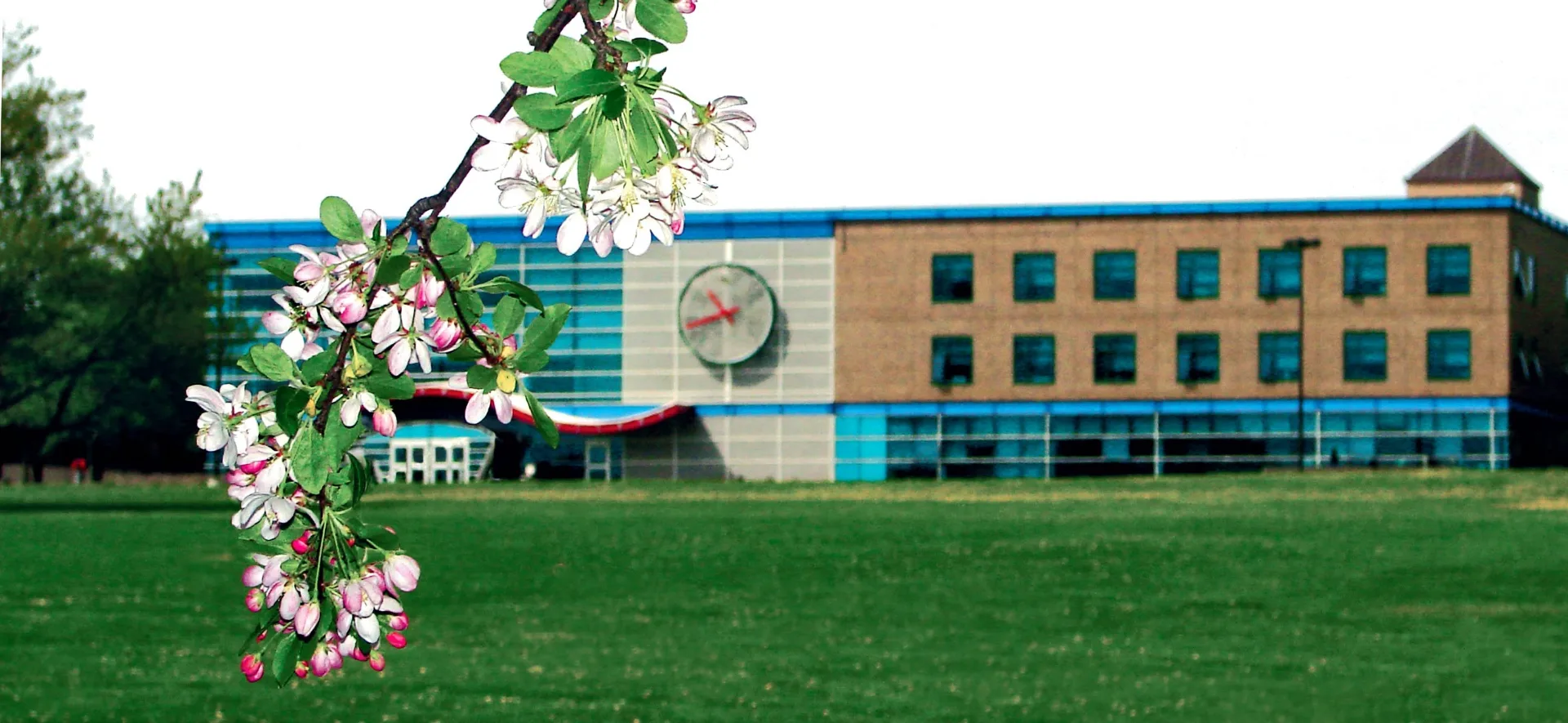
The full title is Vice President for Institutional Advancement and Executive Director of the Purchase College Foundation and Charitable Entities. Purchase College is a public liberal arts college within the State University of New York, located in Purchase, New York, about 35 miles north of Manhattan. It has a School of the Arts with a conservatory and a School of Liberal Arts and Sciences. That mix matters for fundraising.
You would report to the college president on institutional advancement and to the foundation board as executive director. If those two relationships are not aligned, the job stalls.
Why the dual title changes the job
Institutional advancement is the term campuses use for fundraising, alumni relations, donor stewardship, and often marketing. The foundation is a separate nonprofit that receives and manages private gifts. The vice president runs the college function. The executive director runs the foundation. When those roles are combined, the hire is expected to control the whole private revenue operation, not just represent it.
That structure usually signals one point of accountability and a foundation board that wants an operator rather than a figurehead. It also means fewer handoffs between donors and campus leaders.
The phrase 'charitable entities' is not decorative. Some foundations operate related support organizations, restricted funds, or assets that sit in different vehicles. The executive director is responsible for knowing which entity holds what and why.
Read the two jobs separately
The vice president role is a campus-wide leader. You sit in cabinet, direct a staff, and carry the fundraising goal. The executive director role is a corporate officer. You answer to the foundation board on governance, investments, and compliance. The same person holding both roles must shift registers several times a day.
Candidates who have led only a campus advancement shop often overestimate their readiness. Candidates who have run a foundation often underestimate how much of the vice president job is internal politics. The committee will be watching for evidence you can do both.
Where Purchase College actually sits
Purchase College enrolls more than 3,000 students, according to its official profile. The School of the Arts includes programs in music, dance, acting, film, and design. The School of Liberal Arts and Sciences covers the humanities, natural sciences, and social sciences. The college also runs continuing education programs. That breadth means the donor pool includes artists, faculty, alumni, and regional philanthropists who never attended Purchase.
The location adds to that mix. Westchester County has a long philanthropic tradition and a strong arts culture, and it sits a short train ride from Manhattan. A new vice president inherits a donor base that is local as well as alumni-driven.
The Purchase College giving page shows the range of funds that donors support, from scholarships to arts programming. The new hire will be asked to grow that base, not just service it.
The Purchase donor profile
Purchase College donors rarely fit a single alumni-persona model. The arts programs attract season subscribers, parents of conservatory students, and local families with no degree from the college. Liberal arts and sciences alumni may give to scholarships or research. Continuing education alumni often give later in life, when their careers have matured.
That means the advancement shop has to run multiple donor conversations at once. A uniform alumni engagement script will fail here. The stronger approach is segmented outreach built around what donors actually saw and experienced on campus, not what the head office wants to say.
For a new vice president, the first insight should come from the last ten major gifts, not from a national benchmark. Where the money came from, who asked, and which program received it will tell you more than any average donor profile.
What the first year will actually test
You will not be judged on whether you can raise a little more than last year. You will be judged on whether you can close gaps quickly and run the foundation without drama.
- Can you move a donor from first meeting to signed commitment in less than 90 days?
- Can you sit with the foundation board and explain why an endowed fund is underperforming without losing trust?
- Can you build a pipeline that includes regional arts patrons, not only the alumni database?
- Can you tell the president the truth about what is achievable when a campaign goal is set?
Those are operational questions, not personal traits. Committees often ask them indirectly. You should answer them directly before they do.
The fundraising context behind the search
The role is being shaped by a shift in public higher education. At many public campuses, private giving now covers scholarships, capital projects, and faculty chairs that state funds cannot. Public colleges are competing for gifts at the same time as older institutions with deeper alumni pools.
The Council for Advancement and Support of Education maintains the Voluntary Support of Education survey, the standard reference for campus fundraising. Giving USA's 2024 annual report estimated that donors gave $87.38 billion to education in 2023, an 11.1 percent increase over the prior year. That puts education second only to religion among recipient categories, according to the Giving USA data.
At Purchase, the arts create a specific advantage. Named gifts for music, dance, film, and studio programs can attract donors who care about the performing arts and want to see their support on stage or on screen. That only works if the foundation can connect a donor's interest to a specific use.
What the committee is really screening for
Committees do not hire titles. They hire people who can state a plan in plain terms. For this role, expect questions about how you would structure the first six months, how you would divide time between campus and donors, and how you would handle a foundation board that wants more frequent financial reporting.
You should be able to answer with specifics: which meetings you would attend, which donors you would visit, and what metrics you would report to the president. If you cannot do that without seeing a strategic plan, you have not done enough preparation.
Skip this search if you need a long runway before meeting donors. Purchase College does not have the scale of a large research university, so the vice president is expected to be close to the work.
What candidates should do before applying
Do not send a generic cover letter. This search will move faster than you think.
- Pull the Purchase College Foundation's latest Form 990 from a public filing source. It will show revenue, assets, staff size, and board members.
- Read the college's strategic plan and the last three years of gift announcements. The language will tell you which programs the president cares about.
- Map the last ten major gifts by donor type. Look for patterns in art, scholarship, and capital support.
- Write a one-page first-90-days plan tied to those specifics, not to fundraising philosophy.
If the application asks for a leadership statement, use the same specific details. A committee at a public liberal arts college will notice whether you have done the homework.
Where to apply and what to watch for
The official application is available through the application portal. Use the full position title in your materials. If the timeline is not listed, ask the search contact before investing days in a lengthy response.
Watch for two signs in the process. A strong committee will tell you the timeline, the interview structure, and the names of the foundation board members involved. A weak process will leave you waiting without answers. You can learn a lot about the institution by how it runs the search itself.

Start before you apply
This week, print the posting and highlight the verbs. Then find the most recent major gift announcement and trace who made it, why, and which program benefited. If you cannot answer those questions, do not submit the application yet.
One practical action: go to the college's news page and copy the three largest gift stories from the last two years. That is the beginning of your interview.


Discussion
Be the first to comment on this article!
You’ll be asked to sign in before your comment is posted.