Most people read the words Casual Collection Assistant and assume it means shelving books for casual pay. That assumption is exactly why the applicant pool for these roles stays shallow, and why James Cook University still ends up hunting for people who can handle the actual work.
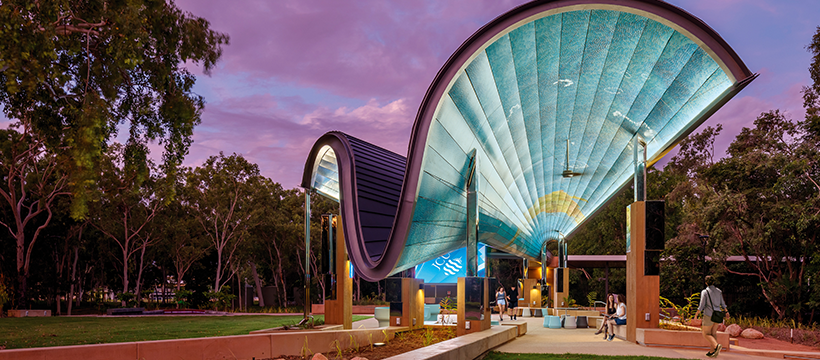
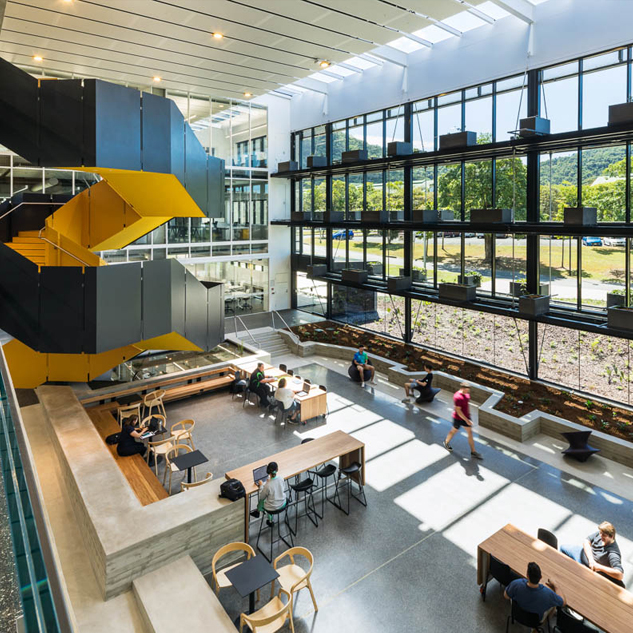
The role sits at JCU's Nguma-bada campus in Smithfield, about 15 kilometres north of the Cairns CBD, surrounded by rainforest and a short drive from the reef. If you've only ever thought of university jobs as lecturing or administration, this one sits somewhere else entirely: where physical materials, research outputs, archival records, and the occasional field specimen meet the people who need them to do their work.
What you'd actually do in the role
Forget the job title for a second. The work is built around a few questions every collection has to answer: where is the item, what condition is it in, who needs it next, and has anyone moved it since last Tuesday. A Casual Collection Assistant answers those questions all day.
- Retrieving items from storage or closed stacks and recording their movement in the collection management system
- Re-shelving and filing materials using classification numbers or accession codes
- Checking items for damage, pests, or mould and flagging them for conservation review
- Entering catalogue records for new acquisitions, including basic descriptive metadata
- Digitising documents and photographs so researchers can consult them without handling the original
- Answering requests from students, academics, and sometimes members of the public
- Preparing materials for display or loan, including basic condition reports
The database side catches people out. Collection work today is closer to data entry with handling gloves than it is to a quiet afternoon in the stacks. If you can search a catalogue, follow an accession number, resist the urge to guess when a record is incomplete, and keep a running note of where items have moved, you're most of the way there.
What James Cook University is, and why Cairns matters
One of Australia's regional universities, this institution runs main campuses in Townsville and Cairns with research stations across northern Queensland. Its modern identity is tied to the tropics. The Cairns campus is a broad site at Smithfield, set among eucalypt woodland and planted rainforest, which does not matter much to your day-to-day work but tells you why the collections skew the way they do.
The university's research strengths in coral reef ecology, tropical agriculture, Indigenous health, and climate science mean the collections are not static. New material arrives from field studies, research grants, and community partnerships every semester. A Collection Assistant in Cairns is more likely to encounter a box of field notebooks from a reef survey than a 400-year-old manuscript. Neither is guaranteed, but the point stands: this is a working collection, not a museum politely waiting.
The James Cook University Library operates across both major campuses and supports each site's teaching and research priorities. In Cairns, that includes materials tied to marine science, tropical health, environmental studies, and the university's long-running field programs.
The skills that get you shortlisted
Committees reading casual applications aren't looking for a doctorate. They're looking for evidence you can be trusted with things that aren't yours and that you won't disappear after two shifts. Show both and you're ahead of most of the field.
- Name the systems you've used. Any catalogue, inventory system, point-of-sale database, or collection management tool counts. Write 'used the stock database daily to locate and record items' rather than 'good computer skills.'
- Show you understand handling. If you've worked in a gallery, museum, archive, bookshop, pharmacy, or anywhere that treats items as fragile or controlled, say so explicitly. 'Handled rare books and monitored for pest damage' is a sentence that gets read twice.
- Prove you can follow a procedure. Collection work rewards precision over creativity. An example where you followed a documented process and caught an error before it left the building is gold.
- Be straight about your logistics. Casual roles often involve short-notice shifts. If you live in Cairns or can be on campus within 40 minutes, put that at the top of your cover letter.
One more thing worth knowing: presenting yourself well in a university application is a skill on its own. The guide to writing a winning academic CV on AcademicJobs covers the same evidence-based approach that works for professional staff roles, even if you never plan to step foot in a lecture theatre.
What 'casual' actually means in Australian university employment
Casual doesn't mean unimportant. It means you're employed by the hour under the Higher Education Industry – General Staff – Award 2020, the instrument that governs professional and general staff salaries at Australian universities. Casual employees under this award receive a 25 per cent loading on top of the base hourly rate, a payment that recognises you don't get annual leave, personal leave, sick leave, or the guarantee of ongoing hours.
Since 2021, Australia's Fair Work Act includes a casual conversion pathway. If you've worked regular hours for at least 12 months, you may have the right to request conversion to permanent employment in some circumstances. The Fair Work Ombudsman's guide to casual employees explains the rules in plain English, and it's worth reading before your first shift. Understanding your entitlements protects you from drifting into ongoing work on casual terms indefinitely.
How to apply
The application goes through JCU's online careers portal. You'll need a resume and a cover letter, and depending on the listing's requirements, you may need to address selection criteria or answer a few targeted questions. Read the position description before you write anything.
The direct listing is at the James Cook University careers portal, and the same opportunity is summarised on AcademicJobs for quick reference.
Where this role can lead
Casual Collection Assistant roles rarely stay casual forever. People who handle records well and show up reliably get noticed. At James Cook University and across the sector, collection assistants move into library technician roles, research data support, archives and records management, and curatorial positions in regional museums and galleries. Cairns has a string of cultural institutions that draw on the same skill set, from the Cairns Museum to regional archives and Indigenous cultural centres.
Some casual collection staff shift toward research support roles as they build familiarity with a university's programs. The AcademicJobs guide to excelling as a research assistant in Australia outlines what that transition looks like and how to position yourself for it.
This week, download the position description and write one concrete example for each requirement before you open the application form. Thirty minutes of preparation puts you ahead of most candidates who apply with a generic resume and a quiet hope. Then submit it and move on. The jobs that get the most care at application stage tend to get the most care at interview stage too.