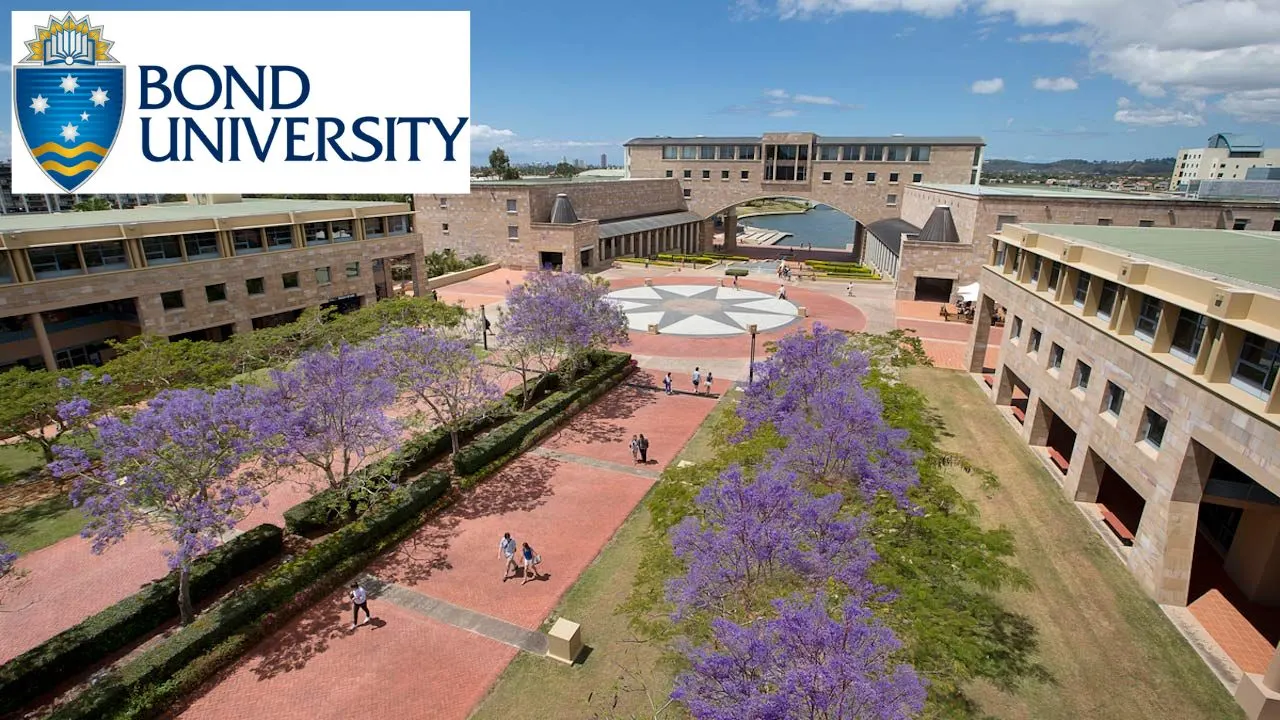
An expression of interest is a hiring pool, not a job offer, and most people apply to it the wrong way. Bond University has opened a casual food and beverage staff EOI on its jobs portal, which means the university wants to build a bench of people it can call when venues get busy, staff call in sick, or an event needs extra hands. If you're on the Gold Coast and you can pour a coffee, carry three plates, hold a bar service, or clear a function room, this is a low-friction way to get your name in front of a hiring manager.
You apply once, and your details sit in a pool until a suitable shift comes up. You aren't applying for a set roster of 20 hours a week. You're applying to be available.
What the Expression of Interest Means in Practice
Bond University is not advertising one empty position here. The listing is deliberately broad because campus hospitality demand moves with the academic calendar. Open days, orientation weeks, graduation ceremonies and corporate functions on campus all create uneven staffing needs. The regular trade of cafes, restaurants, kiosks and function spaces also shifts week to week. A casual pool lets the university call on people who have already been screened rather than advertising again every time a shift opens.
That structure matters for how you apply. A generic hospitality resume that says 'hard-working team player' will disappear. The people reading your EOI are trying to work out one thing: can we roster this person tomorrow if we need to?
Why the three-semester calendar changes the shifts
Bond University runs three semesters a year, which is different from most Australian universities. That means the campus doesn't empty out the same way as a semester-based campus, and casual hospitality demand spikes in each of the three intakes. Open days, orientation weeks, graduation ceremonies and public functions land across the calendar, so casual staff can find themselves working through periods when other hospitality venues on the Gold Coast are quiet.
Bond's Robina campus sits near Robina Town Centre and has public transport access, but early starts remain the biggest practical filter. If you live on the northern Gold Coast or in Brisbane's southern suburbs, work out your first-train and last-bus options before you promise full availability.
What you'd actually be doing
The work falls into a few common categories across the campus.
- Serving food and drinks in cafes, restaurants, kiosks and function spaces.
- Making coffee and handling point-of-sale transactions during busy service.
- Setting up and clearing event spaces before and after functions.
- Basic food preparation and kitchen hand work depending on the venue.
- Restocking displays, fridges, shelves and counters during service.
Not every casual will do all of these. Some shifts will be barista-heavy, others will be clearing tables at an event. The broader your skills, the more calls you get.
Pay, hours and the casual loading
Bond University doesn't publish a set hourly rate in the public EOI. Most campus food and beverage roles are covered by the Restaurant Industry Award 2020 or a university enterprise agreement. What you should expect is the base rate for your classification plus a 25% casual loading on top, which is the standard for award-covered casuals. Early morning starts, weekends, public holidays and late nights can push that higher through penalty rates, but the exact rates depend on which agreement applies and when you work.
Check the Fair Work Ombudsman's pay calculator if you want a clearer estimate of what a Sunday shift or public holiday shift should be worth. This matters because casual loading is often the difference between a role being survivable and not. You should never accept a verbal 'flat rate' that quietly swallows your loading.
RSA and the certificates that actually get you called
If the role involves serving alcohol, you will need a Queensland Responsible Service of Alcohol (RSA) certificate. Bond's campus venues include licensed spaces, and hiring managers prefer candidates who already hold one because it removes a delay. The RSA certificate is state-specific in Queensland and you can complete it through a Registered Training Organisation, often online or in a short face-to-face session.
Food safety training is less commonly demanded up front, but a basic food handling certificate doesn't hurt. If you're applying for barista work, a short barista course is not a substitute for a busy shift on a commercial machine. Hiring managers will ask how many kilos you can get through in a morning rush, not which certificate hangs on your wall.
How to write an EOI that gets you called first
This is where most people waste their application. They write a long paragraph about their passion for hospitality and bury the only thing that matters: availability. Put that first.
- List your available days and whether you can do opens, closes, weekends and public holidays. Be specific: 'available Monday, Wednesday, Friday from 6am and all weekend' beats 'flexible'.
- Name the venue types you've worked in, not just the employers. A hiring manager wants to know if you've done high-volume cafe, fine dining, functions or bar work.
- State your RSA and any food handling certificates, including expiry dates.
- Give a one-line example of a busy shift you handled, with the volume and outcome. 'Served 300 covers at a wedding reception with a four-person team' is useful.
- Keep the cover note under 150 words. The EOI form itself does most of the data collection.
Don't attach a 12-page resume with photos and a cover letter that starts with 'I am writing to express my interest.' The hirer knows. Use the space to tell them what you can do next week. One more thing: don't list three years of irrelevant retail work and expect the hirer to translate it. Hospitality is one of the few casual roles where a short, specific resume beats a long one, because the key evidence is speed, RSA, availability and a recent reference. If your resume doesn't show those in the first 10 seconds, you're relying on someone to read closely. Most won't.
What happens after you submit
You'll likely get an automated receipt, then silence. Silence isn't rejection in an EOI. The pool stays open because the university needs people at unpredictable intervals. Some candidates are called within days for a trial shift. Others hear nothing until an event season starts months later.
You can improve the odds without spamming. If Bond University is local to you, visit the campus venues during quiet periods and introduce yourself to the duty manager. Ask which outlets take on casuals most often and whether the EOI is being reviewed for any immediate needs. This is a service job, and a calm, polite walk-through still works better than another follow-up email.
Who should apply, and who should skip it
This EOI suits a particular kind of person.
- You live within a practical commute of Robina on the Gold Coast. Calling a casual at 7am for an 8am shift only works if you're close.
- You already hold an RSA or can get one within a week.
- Your week has real gaps that match hospitality peaks, including weekends and evenings.
- You want campus work because the setting is steadier than a nightclub but busier than a suburban cafe.
If you need a fixed weekly roster or guaranteed income, a casual EOI is the wrong place to pin your budget. Look for part-time or full-time campus roles instead.
Use the university's hiring system, not a generic job board
Apply through Bond University's official jobs portal so your EOI lands in the right database. The same vacancy is listed on AcademicJobs for candidates searching across university roles, but the application itself belongs on Bond's portal. Don't email a resume to HR as a substitute for the online form. It gets missed.
After you submit, set a reminder to review your availability every two months. If your circumstances change, update the EOI or submit a fresh one. Casual pools are not static, and the candidate who replies to a same-day text is the one who gets the shift.