Academic Jobs - Home of Higher Ed Logo
Queensland University of Technology Jobs

Queensland University of Technology

Casual Scientific/Technical Officer (Simulation Learning)

Closes:

Salary: A$52 – A$59 per hour

176
  • Reference number: 26084
  • Remuneration: $52.57 to $59.30 per hour (HEW5) inclusive of 25% casual hourly rate loading.
  • Location: Kelvin Grove
  • Open to: Applicants who have full-time work rights in Australia for the term of this casual appointment. In support of our strategic priority of Indigenous Australian success, Aboriginal Australians and Torres Strait Islander people are especially encouraged to apply.

Who are we looking for?

We are seeking a Casual Scientific/Technical Officer (Simulation Learning) to join Faculty Operations, Faculty of Health.

The casual Scientific/Technical Officer provides technical expertise within a highly professional technical team in support of the Faculty’s academic endeavours. The role contributes to the effective, safe and sustainable operation of a range of facilities and specialist equipment. The role requires a high level of discipline specific knowledge to engage with and provide high quality technical support to academics and students within simulation learning. The Scientific / Technical Officer will be required to work in collaboration with other technical staff to provide an integrated and highly responsive support service which ensures that students have the benefit of a high quality learning experience. This position reports to the Technical Services Manager (Clinical and Simulation) for career planning, development, and performance expectations.

About us

QUT is a major Australian university with a global outlook and a 'real world' focus. We are an ambitious and collaborative institution that seeks to equip our students and graduates with the skills they will need in an increasingly disrupted and challenged world.

Technical services is a highly professional team providing specialist technical expertise to support teaching and research across all schools within the Faculty. The team are responsible for the effective, safe and sustainable operation of a range of teaching and research facilities and specialist equipment across both campuses. The Simulation Learning team in Technical Services is establishing a pool of casual technical/scientific officers who can support learning and teaching across the nursing and paramedicine disciplines in the Faculty of Health..

What you need to succeed

  1. A Bachelor degree in an area relevant to nursing or paramedicine or an Associate Diploma level qualification with relevant work experience; or an equivalent combination of relevant experience, education, or training 
  2. Ability to work collaboratively in a team, using excellent interpersonal skills, with a proven capacity to communicate effectively 
  3. Ability to effectively organise and prioritise work in order to meet deadlines and competing priorities 
  4. Well-developed problem solving skills including the ability to contribute to continuous improvement 
  5. An understanding of theoretical aspects and experience in the practical application of relevant nursing/paramedicine skills, as well as the ability to use specialised equipment (e.g. high and low fidelity clinical simulation equipment) associated with these techniques 
  6. High-level digital literacy skills, including Microsoft Office and relevant equipment specific software or the ability to quickly acquire these skills.

Belong at QUT 

We are guided by our values of Ambition, Integrity, Inclusiveness, Innovation, and Academic Freedom and our QUT Connections in our mission to inspire and shape the next generation of change-makers. 

As part of our commitment to fostering an inclusive workplace, we proudly support our Indigenous Australians Employment Strategy, aiming for an Indigenous Australian workforce participation of 3.6%. We extend a warm invitation to Aboriginal Australians and Torres Strait Islander people to join us in pursuing a rewarding career at QUT.

We believe that diversity is our strength and are dedicated to creating safe, inclusive spaces where everyone can thrive. We strongly encourage individuals from diverse cultures, ages, linguistic backgrounds, sexual orientations, and gender identities, and those who are living with disabilities to apply for positions at QUT.

At QUT, diversity is not just embraced—it's celebrated. See our commitment

How to Apply

Discover the possibilities that await with a career at QUT. If you're ready to embark on a journey of innovation and opportunity, we're excited to meet you.

Find out more about this position and submit your application by clicking 'Apply' or the link below.

View the job details at: Queensland University of Technology - Casual Scientific/Technical Officer (Simulation Learning)

Job opens: 10-Feb-2026

View Position Description

How to apply:

By choosing to continue, you agree to the privacy policy. Show Privacy Policy
Job details

Title
Casual Scientific/Technical Officer (Simulation Learning)
Employer
Queensland University of Technology
Location
Kelvin Grove QLD, Australia
Published
Sep 25, 2026
Closes:
Nov 25, 2026
Job type
Contractor, Staff / Administration
Field
Laboratory and Research
Salary

Salary: A$52 – A$59 per hour

Tell them AcademicJobs.com sent you!

Frequently Asked Questions

📋What is the Casual Scientific/Technical Officer (Simulation Learning)?

This listing is for Casual Scientific/Technical Officer (Simulation Learning) at Queensland University of Technology.

📍Where is this role located?

The listed location is Kelvin Grove QLD, Australia.

💰What is the salary?

The listed salary is A$52 – A$59 hourly.

📅When do applications close?

Applications close on Nov 25, 2026.

💼What type of appointment is this?

The listed type is Contractor.

📝How do I apply?

Use the Apply Now button on this listing to submit your application.

About the employer

Queensland University of Technology Jobs

Queensland University of Technology

4.0 Star Employer Ranking

AcademicJobs.com is the leading platform to explore QUT jobs, providing access to exciting career opportunities at one of Australia’s most innovative universities. Queensland University of Technology (QUT), located in Brisbane, is celebrated for its industry-focused research and academic excellence, making QUT uni jobs highly sought after by professionals worldwide. QUT careers offer a dynamic and collaborative environment for academics, researchers, and professional staff to excel. QUT university careers encompass a diverse range of disciplines, reflecting the university’s key areas of academic specialization, including science, technology, engineering, business, creative industries, and health. Employment QUT includes roles such as lecturers, research fellows, postdoctoral researchers, and administrative positions, accommodating various skill sets. For those pursuing QUT jobs Brisbane, the university’s modern campuses provide an inspiring workplace in a thriving, cosmopolitan city. QUT uni vacancies and job postings are prominently featured on AcademicJobs.com, where candidates can find opportunities in teaching, cutting-edge research, and professional services. Jobs at QUT span fields like robotics, digital media, and public health, aligning with the university’s mission to address real-world challenges. Each QUT vacancy represents a chance to contribute to impactful initiatives within a forward-thinking academic community. QUT Employment Opportunities are varied, with QUT job Opportunities ranging from academic faculty to technical and operational roles. A QUT Career offers the chance to join an institution that values innovation, inclusivity, and global engagement. QUT uni openings are frequently updated on AcademicJobs.com, ensuring access to the latest QUT vacancies. Jobs at QUT uni are ideal for those dedicated to advancing knowledge and societal progress. QUT job postings include positions in education, data science, and professional services such as IT and human resources. QUT Employment

Visit the employer page

Hire Experts… Post a Job

Post a Job

Roles… Create a Job Alert

Related Jobs

View All Jobs
Kelvin Grove, Queensland329

Supervising Scientific/Technical Officer (Microbiology)

Queensland University of Technology
Townsville, Queensland118

Casual EOI - Laboratory and Technical Support

James Cook University
Sydney, New South Wales63

Research Assistant

University of Sydney
Melbourne, Victoria68

Research Officer

University of Melbourne
Dookie, Victoria67

Assistant Dairy Hand

University of Melbourne
Sydney, New South Wales259

Scientist - RNA Institute

University of New South Wales
Parramatta, New South Wales75

Senior Engineering Technical Officer – FACE

Western Sydney University
Melbourne, Victoria83

Senior Engineering Operations Coordinator

University of Melbourne
Sydney, New South Wales175

Laboratory Engineer – School of Civil & Environmental Engineering

University of New South Wales
313

Wild Deserts Conservation Field Assistant

University of New South Wales

Related Research Grants

Grants and In-Kind Support to USA, Canada, and International Journalists to Report on Rainforest Abuses

USA, Canada, and International

Grants to USA and Israel Scientists for Collaborative Biological Research Projects Related to IOS

All USA, Israel

Award to a USA, Canada, or International Individual to Recognize Lifetime Achievement in Public Folklore

Award to a USA or Canada Psychiatrist or Team for Outstanding Child Psychiatry Research

All USA, Canada

Grants to USA, Canada, and International Researchers for Directed Fitness Research

Grants to USA, Canada, and International Master's and Doctoral Students for Research in Behavior Analysis

Grants to International Organizations and Individuals to Promote Behavior Analysis

All USA, USA Territories: American Samoa (USA); Guam (USA); Puerto Rico (USA); Virgin Islands (USA); Northern Mariana Islands (USA);, USA Compact Free Associations: The Federated States of Micronesia (USA) Marshall Islands (USA) Republic of Palau (USA), International, Israel and Canada.

Grants to USA, Canada, and International Doctoral Students for Research in Behavior Development

All USA, USA Territories: American Samoa (USA); Guam (USA); Puerto Rico (USA); Virgin Islands (USA); Northern Mariana Islands (USA);, USA Compact Free Associations: The Federated States of Micronesia (USA) Marshall Islands (USA) Republic of Palau (USA), International, Israel and Canada

View all research grants →

Related Reading

Casual Scientific/Technical Officer (Simulation Learning) at QUT: What the Role Actually Involves

Daily duties, the skills that matter, and what casual employment actually means

Most people who read a job ad for a Casual Scientific/Technical Officer (Simulation Learning) file it under IT support and keep scrolling. That's a mistake, because the person QUT hires for this role will be the reason nursing and paramedicine students can run a cardiac arrest scenario at 8am without the manikin flatlining for the wrong reasons.

You won't be in a laboratory, a server room, or a help desk. You'll work inside clinical simulation facilities. These are large, equipment-dense teaching spaces that mimic hospital wards, emergency bays, and birthing suites. The beds are real, the oxygen rails are real, the patient monitors are real. The difference is the patients. They're high-fidelity manikins programmed to breathe, bleed, seize, and crash depending on what the teaching team needs.

QUT runs one of the most substantial nursing, paramedicine, and allied health programs in Australia. Its Kelvin Grove campus houses the Clinical Simulation Centre, and it's the kind of space where students rehearse clinical situations that would be unsafe or unethical to practise on real patients for the first time. The Casual Scientific/Technical Officer (Simulation Learning) is the person who makes that rehearsal possible.

Simulation learning is no longer a nice-to-have in Australian health education

For decades, health students learned clinical skills the awkward way: watch a supervisor, read a protocol, then do it on a real patient while trying not to look terrified. Simulation changed that. Modern simulation-based education lets students make high-stakes mistakes — wrong drug dose, missed airway, or a communication breakdown that escalates quickly during a resuscitation — in an environment where the only consequence is a debriefing session and a second attempt.

The evidence behind this approach keeps getting stronger. Systematic reviews in nursing education consistently find that high-fidelity simulation improves clinical knowledge, confidence, and skills when compared with traditional teaching alone. Australia's health workforce regulators have noticed too. The Australian Nursing and Midwifery Accreditation Council now requires simulation as a structured component of entry-to-practice programs, and the Australian Commission on Safety and Quality in Health Care has pushed simulation into team training for hospital staff. That's why technical support roles in university simulation centres have become harder to fill than most people realise.

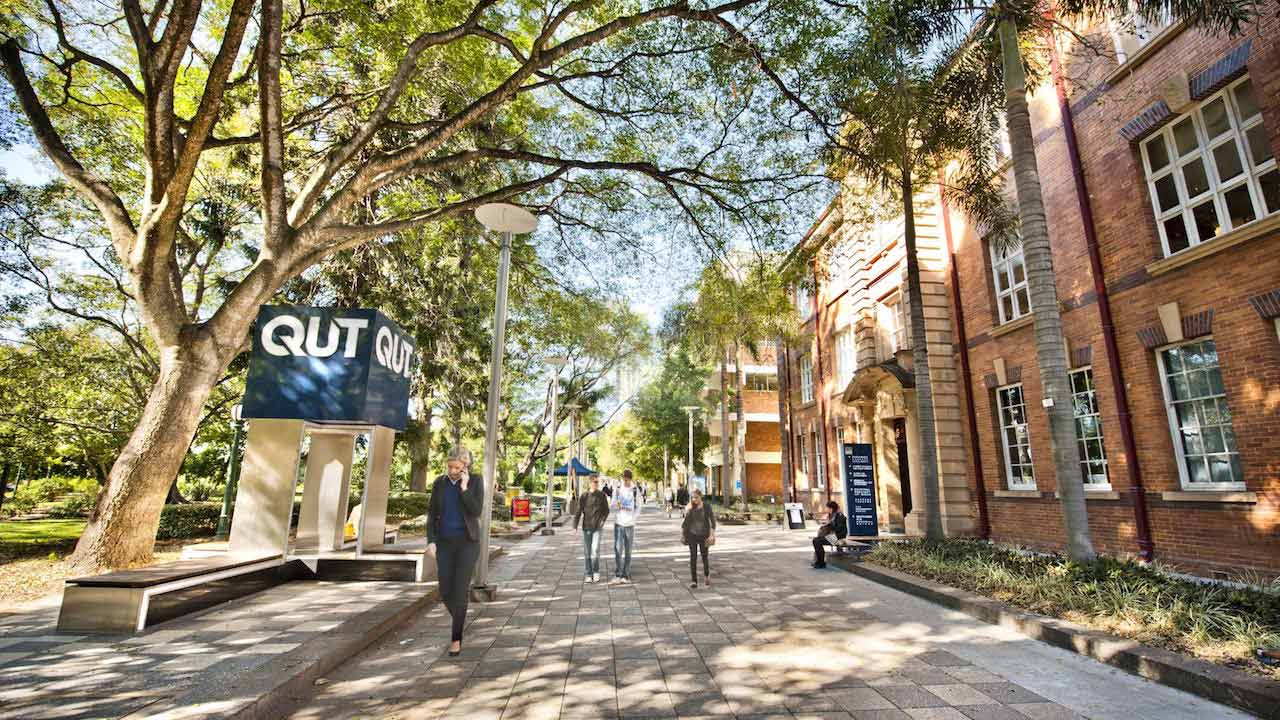
Related image

What a shift actually looks like

You arrive before the first class of the day. A teaching team has booked a scenario for third-year nursing students: a deteriorating patient, post-operative, with a history of heart failure. Your job starts by staging the room. Select the right manikin, program its physiology, then position it in the bed with the correct dressings, drains, and monitoring leads attached.

Then you add the details that make simulation convincing. Moulage is a significant part of this work — creating realistic wounds, bruising, and surgical sites using wax, silicone, and theatrical makeup. A well-done moulage job is the difference between students treating a scenario with the seriousness of a real emergency and students treating it like a classroom exercise.

During the scenario, you operate the simulation software from a control room. You make the manikin's condition shift in real time, triggered by what the students do. If they give the wrong drug, you drop the blood pressure. If they ventilate well, the oxygen saturation climbs. This requires you to understand the clinical scenario well enough to respond appropriately, not just press buttons on a schedule.

Between scenarios, you reset equipment, restock consumables, and run basic maintenance. You'll also troubleshoot audio-visual systems, because recording and playback is central to simulation debriefing. If the camera angles are wrong or the microphone drops out, the debrief loses most of its teaching value.

The skills that will actually get you shortlisted

Here's what matters to a selection panel for this kind of role, based on how similar positions operate across Australian universities. Notice what's not at the top of the list: a PhD, a publication record, or conventional academic credentials.

First, familiarity with simulation equipment. The big manufacturers in this space are Laerdal, CAE Healthcare, and Gaumard. If you've worked with SimMan, SimMom, SimJunior, or SimBaby platforms, or with CAE's Apollo or Lucina, name that in your application. Even experience with task trainers — the partial-body models used for catheter insertion, suturing, or airway management — counts, because it shows you understand how clinical education equipment is used and maintained under real teaching conditions.

Second, audio-visual and IT competency. Simulation centres run on camera systems, capture software, microphones, and networking. You don't need to be a systems engineer, but you need to be comfortable enough to fix a failed recording, re-route an AV feed, or resolve a software crash before the teaching session implodes.

Third, the ability to work alongside clinical academics without becoming one. You'll be in the room while nursing educators run debriefs, and you'll need to understand their terminology well enough to anticipate what the scenario needs next. Previous experience in health settings — as a paramedic, nurse, orderly, or simulation assistant — is a genuine advantage even if it's not formally listed as essential.

If you've never touched a high-fidelity manikin but you're technically capable, don't rule yourself out. The casual nature of this role means QUT may consider transferable skills. What won't transfer is discomfort with blood, wounds, or medical environments. You'll see simulated injuries up close, and you'll need to create them on demand.

QUT Jobs on Academic Jobs

The casual employment reality you should understand before applying

Australian universities have become heavily reliant on casual and sessional staff, and this pattern extends beyond teaching into technical roles. A casual position means you're paid by the hour with a 25 per cent loading, but there's no guarantee of ongoing shifts, no paid annual leave, and no paid sick leave. The loading compensates for some of that. It doesn't build job security.

For this kind of role, casual hours tend to cluster around the academic teaching periods. Expect demand to peak between February and June, then again between July and October, with quieter stretches in between. If you're hoping this one job will cover full-time living costs, you should plan otherwise. What casual simulation work does offer is a foot in the door. Universities that run large simulation programs regularly convert strong casual performers into fixed-term or ongoing technical officer roles when vacancies open.

If you choose to apply, our guide to writing a winning academic CV covers how to present technical experience for university positions. The same principles apply here: specificity about what you've done, and evidence that you know the environment you're walking into.

Applying for the QUT role

You can find the full position description and application portal through QUT's NGA recruitment portal, and the role is also listed on AcademicJobs.com for quick reference.

When you apply, write your cover letter like the panel actually wants to hire you, not like you're filling in a form. State clearly whether you've worked with specific simulation platforms. Describe a time you solved a technical problem under time pressure. Mention any health or clinical experience, even volunteer work. QUT receives hundreds of generic applications for technical roles every year, and the ones that get shortlisted sound like the candidate has walked into a simulation centre before.

  • Step one: Download the position description and read every selection criterion line by line.
  • Step two: Write down three specific examples from your own experience that map to three of the criteria.
  • Step three: Name the equipment and software you have used in your cover letter, not just the job titles you have held.
  • Step four: Submit through the QUT portal, then track the application. If a contact officer is named, follow up with one informed question.

If you're not ready to apply yet but want to understand where this career pathway leads, the role sits at the intersection of clinical education technology and university technical services. Simulation Australasia, the peak body for the field, runs professional development events and maintains resources on simulation standards and career pathways. The Australian Commission on Safety and Quality in Health Care also maintains guidance on simulation-based team training that shapes how university centres operate. Read both before you submit an application, because they'll help you speak the same language as the panel.

Here's the action to take this week: open the position description on the QUT portal, read it twice, write down three specific examples that map to three selection criteria, and apply. Casual panels in this field often move quickly. Hesitation tells the hiring committee you're not sure you want the role. If you're right for it, they'll see that.

Frequently Asked Questions

🔧What does a Casual Scientific/Technical Officer (Simulation Learning) do at QUT?

The role supports clinical simulation teaching across QUT's health programs, primarily nursing and paramedicine. Day-to-day work includes preparing simulation rooms with manikins and medical equipment, programming manikin physiology for specific scenarios, applying moulage to create realistic wounds and injuries, operating simulation software from control rooms during teaching sessions, troubleshooting audio-visual systems used for debriefing, and resetting equipment between classes. It is a hands-on technical role that sits inside clinical teaching spaces.

📋What qualifications are needed for a simulation learning technical officer?

Formal academic qualifications are rarely the deciding factor. QUT and similar universities prioritise hands-on familiarity with simulation equipment from manufacturers such as Laerdal, CAE Healthcare, and Gaumard, plus AV and IT competency. Experience in health settings — as a nurse, paramedic, orderly, or simulation assistant — is highly valued even when not formally listed. A relevant certificate or diploma in health science, audio-visual technology, or clinical simulation support can strengthen an application, but practical experience typically matters more.

⏰Is the Casual Scientific/Technical Officer (Simulation Learning) role at QUT a full-time job?

No, it is a casual position. That means you are paid by the hour with a 25 per cent casual loading, but you won't receive paid annual leave or paid sick leave, and weekly hours are not guaranteed. Shifts tend to cluster around university teaching periods — roughly February to June and July to October — with quieter stretches between semesters. Casual technical staff often use these roles as a pathway into ongoing or fixed-term university positions when vacancies open.

🏥What is clinical simulation in university education?

Clinical simulation recreates healthcare environments so students can practise skills without risking patient safety. Simulation spaces look like hospital wards, emergency bays, and birthing suites, equipped with real medical equipment and high-fidelity manikins. Students work through scenarios such as cardiac arrests, deteriorating patients, or difficult births, then take part in structured debriefing sessions. In Australian universities, simulation is now a required component of nursing and midwifery programs under accreditation standards from the Australian Nursing and Midwifery Accreditation Council.

🩺What is a high-fidelity manikin and how is it used?

A high-fidelity manikin is a life-sized, computer-controlled patient simulator that can breathe, produce heart and lung sounds, display vital signs on monitors, and respond to clinical interventions. Manikins like Laerdal's SimMan 3G, SimMom, and SimBaby, or CAE Healthcare's Apollo and Lucina, run on software that lets operators adjust physiology in real time. During a simulation, the technical officer watches the students' actions and changes the manikin's condition accordingly — drop the blood pressure if the wrong drug is given, raise oxygen saturation when ventilation improves.

🎭What is moulage in simulation learning?

Moulage is the art of creating realistic wounds, bruising, burns, and surgical sites on manikins or simulated patients. Technical officers use wax, silicone, theatrical makeup, and other materials to make clinical scenarios look convincing. A well-executed moulage application changes how students respond — they treat the scenario with the urgency of a real emergency rather than as a classroom exercise. It is a practical skill that technical officers develop on the job, and prior experience with moulage is a strong differentiator on applications.

💼How much does a Casual Scientific/Technical Officer at QUT get paid?

Casual pay rates for university technical officer roles are set under QUT's enterprise agreement. Rates depend on the classification level, typically HEW Level 4 or 5 for this type of role, plus a 25 per cent casual loading. Candidates should check the current QUT enterprise agreement for exact hourly rates and classification details, as these change with each bargaining round. The position description will normally state the classification and hourly rate range.

📈What are the career prospects after working as a casual simulation technical officer?

Casual simulation work is a common entry point into university technical services. Many universities convert strong casual performers into fixed-term or ongoing scientific and technical officer roles when vacancies open. Beyond universities, the same skills transfer to private simulation training providers, hospital-based simulation programs, clinical skills centres, and simulation equipment vendors who hire technical specialists and training support staff. Simulation Australasia runs professional development and networking events that help casual staff build careers.

📝How do I apply for the Casual Scientific/Technical Officer (Simulation Learning) role at QUT?

Applications go through QUT's NGA recruitment portal. You'll need to create or log into an account, complete the application form, and upload a tailored cover letter and resume. The listing on AcademicJobs.com provides a direct link to the portal. Before applying, download the position description, read each selection criterion, and prepare specific examples from your experience that address them. Panels for casual roles often move faster than academic searches, so apply promptly.

🎯What skills make an application stand out for a simulation technical role?

Name the specific equipment and software you've used. If you've operated Laerdal LLEAP software, CAE Maestro, Gaumard manikins, or specific AV capture platforms, say so. Describe a time you solved a technical problem under time pressure during a class or event. Mention any health or clinical experience, including volunteer work, because it shows you understand the environment. Generic applications that don't reference simulation equipment or clinical settings rarely progress for these roles.

🏛️What is the QUT Clinical Simulation Centre?

QUT operates clinical simulation facilities at its Kelvin Grove campus in Brisbane as part of its health education programs. The facilities support nursing, paramedicine, and allied health training with hospital-standard equipment, high-fidelity manikins, and AV-enabled debriefing spaces. QUT's clinical simulation teaching model integrates simulation scenarios into degree programs so students gain experience in managing urgent and complex patient situations before attending clinical placements.

🚪Can I work in simulation learning without prior university employment experience?

Yes, and many strong candidates come from hospital technical services, audiovisual production, event staging, or clinical support roles outside universities. What matters is transferable technical skill, comfort in medical environments, and the ability to work under time pressure during live teaching sessions. The casual nature of this role means panels will consider candidates who can demonstrate relevant capability even if they've never worked on a campus before.