


Top Job

 Our Network at WorkTell 6 colleagues about this opportunityBe our brand ambassadorAcademicConnect keeps your contacts updated on the progress of job openings
This Job currently has 0 connections. Start sharing below!
Your details
Invitees Details
Advancing Resilient Infrastructure Through Academic Excellence in Australian Higher Education
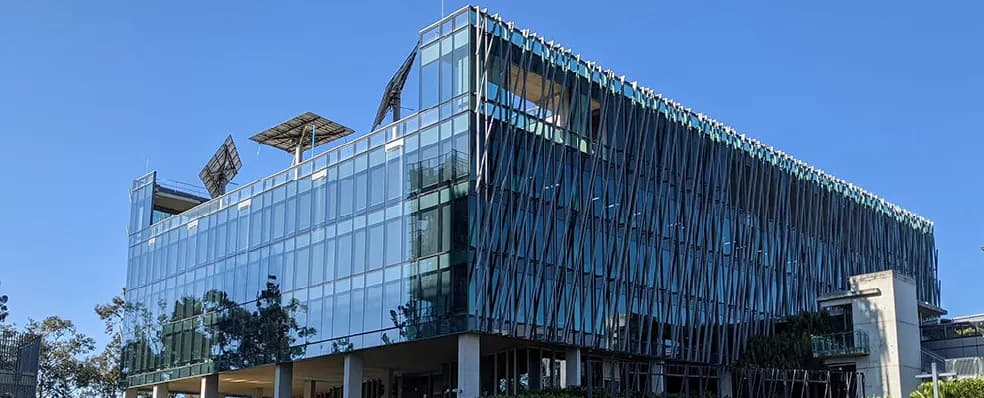
Australia's higher education sector continues to play a pivotal role in shaping the nation's infrastructure and resilience capabilities. Queensland University of Technology, known for its strong emphasis on practical and innovative engineering education, has opened applications for a Lecturer or Senior Lecturer position in Structural Engineering within its School of Civil and Environmental Engineering. This role represents a chance for qualified professionals to contribute to both cutting-edge research and the training of future engineers who will address pressing national challenges.
The position is based at the Gardens Point campus in Brisbane, offering a dynamic environment where academic work intersects with real-world industry needs. Candidates will join a faculty dedicated to creating sustainable and livable communities through advanced engineering solutions. With Australia's population growth and urban development accelerating, universities like QUT are essential in building the skilled workforce required for safe, efficient, and environmentally responsible structures.
Structural engineering forms the backbone of civil infrastructure, encompassing the design, analysis, and maintenance of buildings, bridges, dams, and other critical assets. In Australia, this discipline has gained heightened importance due to rapid urbanisation, major infrastructure investments, and the increasing frequency of extreme weather events. Universities across the country are expanding their engineering programs to meet this demand, creating more opportunities for academics who can bridge theoretical knowledge with practical applications.
Recent labour market data highlights that civil engineering professionals, including those specialising in structural areas, account for nearly 40 percent of all engineering vacancies. This surge stems from ongoing projects in housing, transport networks, and resource sectors, particularly in Queensland where mining, tourism, and coastal development drive construction activity. Academic institutions are responding by prioritising faculty hires who can lead research into resilient designs capable of withstanding floods, cyclones, bushfires, and other hazards amplified by changing climate patterns.
Higher education providers are also focusing on sustainability, integrating principles of low-carbon materials and circular economy approaches into curricula. This shift ensures graduates are equipped not only with traditional structural analysis skills but also with expertise in emerging technologies such as smart sensors for structural health monitoring and advanced composite materials.
The School of Civil and Environmental Engineering at QUT stands out for its integrated approach to teaching and research. It emphasises solutions that consider the full lifecycle of infrastructure, from initial design through to decommissioning, while minimising environmental impacts. Faculty members collaborate across disciplines, including architecture, robotics, and environmental science, fostering interdisciplinary projects that mirror the complexities of modern engineering challenges.
Research strengths include disaster resilience, with dedicated facilities for wind and fire engineering testing. These labs support studies on how structures perform under extreme conditions, informing updated building codes and safety standards used nationwide. The school also advances geotechnical and pavement technologies, developing longer-lasting road surfaces that reduce maintenance costs and resource consumption.
Students benefit from access to state-of-the-art laboratories and strong industry partnerships. QUT's location in Brisbane provides proximity to major projects and government agencies, allowing for guest lectures, site visits, and collaborative research that enriches the academic experience. This environment positions the new Lecturer or Senior Lecturer to make immediate contributions while mentoring the next generation of engineers.
The successful candidate will balance teaching, research, and service commitments. Teaching duties involve delivering undergraduate and postgraduate courses in structural analysis, design principles, materials behaviour, and related topics. Emphasis is placed on active learning methods, including project-based assessments and laboratory work that develop problem-solving abilities.
Research expectations include securing funding, publishing in peer-reviewed journals, and supervising higher-degree research students. Areas of particular interest align with national priorities such as climate-adaptive infrastructure, sustainable construction materials, and performance-based design for hazard mitigation. Senior Lecturer applicants may also take on leadership in curriculum development or research groups.
Service to the university and profession rounds out the role, encompassing committee participation, outreach to schools and industry, and contributions to professional bodies. This holistic approach ensures academics remain connected to both educational outcomes and practical advancements in the field.
A doctoral qualification in structural engineering or a closely related discipline is fundamental. Candidates should demonstrate a track record of high-quality research outputs and evidence of effective teaching at tertiary level. Experience in securing competitive grants or industry-funded projects strengthens applications, particularly for the senior level.
Technical expertise in areas such as finite element analysis, seismic design, or durability assessment of materials is highly valued. Familiarity with Australian Standards and codes, alongside international best practices, enables seamless integration into the curriculum. Soft skills including communication, teamwork, and the ability to engage diverse student cohorts are equally important in a university setting that values inclusivity.
Early-career researchers with postdoctoral experience or industry background transitioning to academia are encouraged to apply. QUT supports professional development through mentoring programs and access to research infrastructure, helping new faculty establish successful careers.
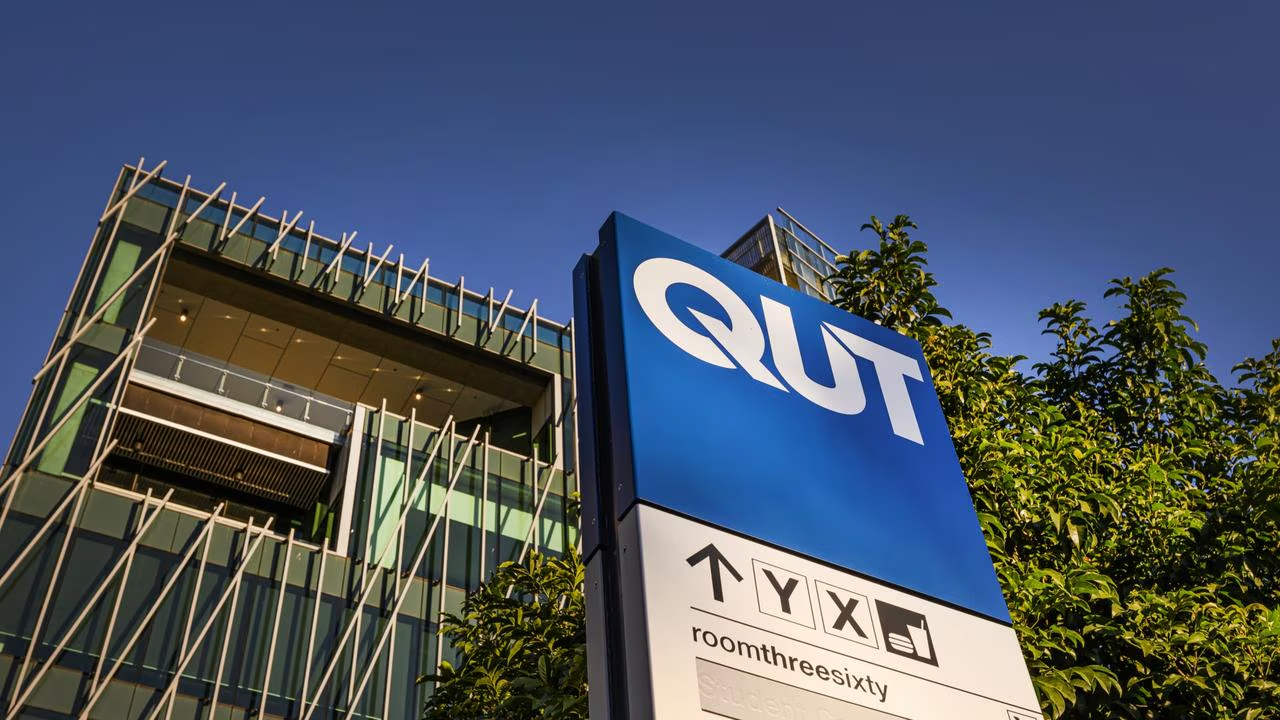
Transitioning into or advancing within higher education offers unique rewards beyond traditional industry roles. Academics enjoy intellectual freedom to pursue curiosity-driven research, influence policy through evidence-based recommendations, and shape the professional development of hundreds of students each year.
Progression from Lecturer to Senior Lecturer typically involves building a strong publication record, demonstrating teaching excellence, and contributing to leadership initiatives. Many academics combine roles with consulting or industry secondments, maintaining relevance while supplementing income.
The work-life balance at universities often includes flexible arrangements, sabbatical opportunities, and support for international collaboration. In Australia, academic salaries are competitive, with additional benefits such as superannuation contributions and professional development funding enhancing long-term security.
Australia faces interconnected challenges including housing affordability, transport congestion, and climate adaptation. Structural engineers educated and researching at institutions like QUT directly contribute to solutions. For instance, advancements in modular construction and high-performance materials can accelerate housing delivery while meeting stringent safety and sustainability requirements.
Research into resilient infrastructure helps communities recover faster from natural disasters, reducing economic losses and protecting lives. Academic insights also inform government strategies on infrastructure investment, ensuring public funds deliver maximum value over asset lifespans.
By fostering diversity in engineering programs, universities broaden the talent pool, bringing fresh perspectives to problem-solving. Initiatives supporting women, Indigenous Australians, and other underrepresented groups strengthen the profession's capacity to serve all communities effectively.
Strong ties between academia and industry distinguish leading engineering schools. At QUT, partnerships facilitate applied research projects, student placements, and knowledge transfer that accelerates innovation adoption. The new faculty member will have opportunities to engage with consulting firms, government departments, and construction companies on joint ventures.
These collaborations often lead to commercialisation of research outcomes, such as new monitoring technologies or optimised design software. They also provide students with exposure to current practices, improving employability upon graduation.
Professional associations play a supporting role by setting competency standards and offering networking platforms that benefit both academics and practitioners.
Looking ahead, digital transformation will reshape the discipline. Integration of artificial intelligence for predictive maintenance, building information modelling for collaborative design, and advanced simulation tools will become standard in curricula. Universities must adapt programs to prepare graduates for these technologies while upholding core fundamentals of mechanics and materials science.
Global trends toward net-zero emissions will drive research into low-impact materials and energy-efficient structural systems. Australian academics are well-positioned to contribute given the country's unique environmental conditions and policy commitments.
Continued investment in higher education infrastructure and faculty recruitment will be essential to maintain Australia's competitive edge in engineering education and research output.
Interested candidates should review the full position description and selection criteria on the university's recruitment portal. Preparing a comprehensive application involves tailoring a curriculum vitae to highlight relevant achievements, drafting a statement addressing key selection criteria, and securing strong references from academic or industry supervisors.
Shortlisted applicants can expect an interview process that may include a presentation on research plans or teaching philosophy. Demonstrating enthusiasm for QUT's values and vision for the school strengthens candidacy.
Timely submission is advised, as competitive positions attract strong applicant pools. Networking at conferences or through professional networks can also provide valuable insights into the role and institution.
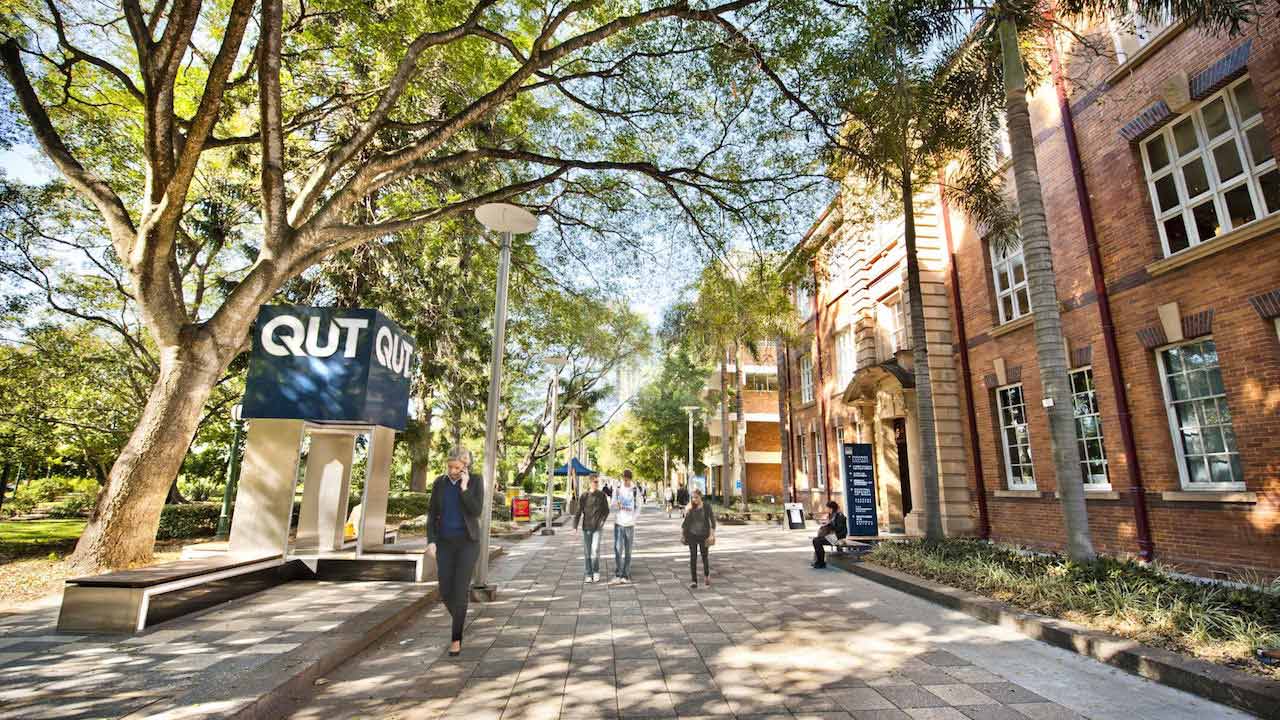
Those exploring academic careers or related opportunities can access specialised guidance through dedicated higher education platforms. These resources assist with career planning, application preparation, and understanding the nuances of university environments in Australia and beyond.


.jpg&w=128&q=75)