Discovering Sessional Academic Roles at QUT
The Queensland University of Technology, known as QUT, stands as a leading institution in Brisbane dedicated to practical, industry-aligned education. Its School of Creative Arts operates within the Faculty of Creative Industries, Education and Social Justice, offering dynamic programs that blend artistic practice with professional skills development. The school invites expressions of interest for sessional academics to build a talent pool supporting teaching across the Bachelor of Creative Arts and Bachelor of Creative Industries degrees.
These programs feature majors spanning acting, animation, creative writing, drama, dance, film screen and new media, music, production design, and visual arts. Sessional academics play a vital role in delivering tutorials, workshops, lectures, and assessment support, bringing real-world expertise into the classroom to prepare students for careers in Australia's vibrant creative sector.
Understanding the Scope of Sessional Positions
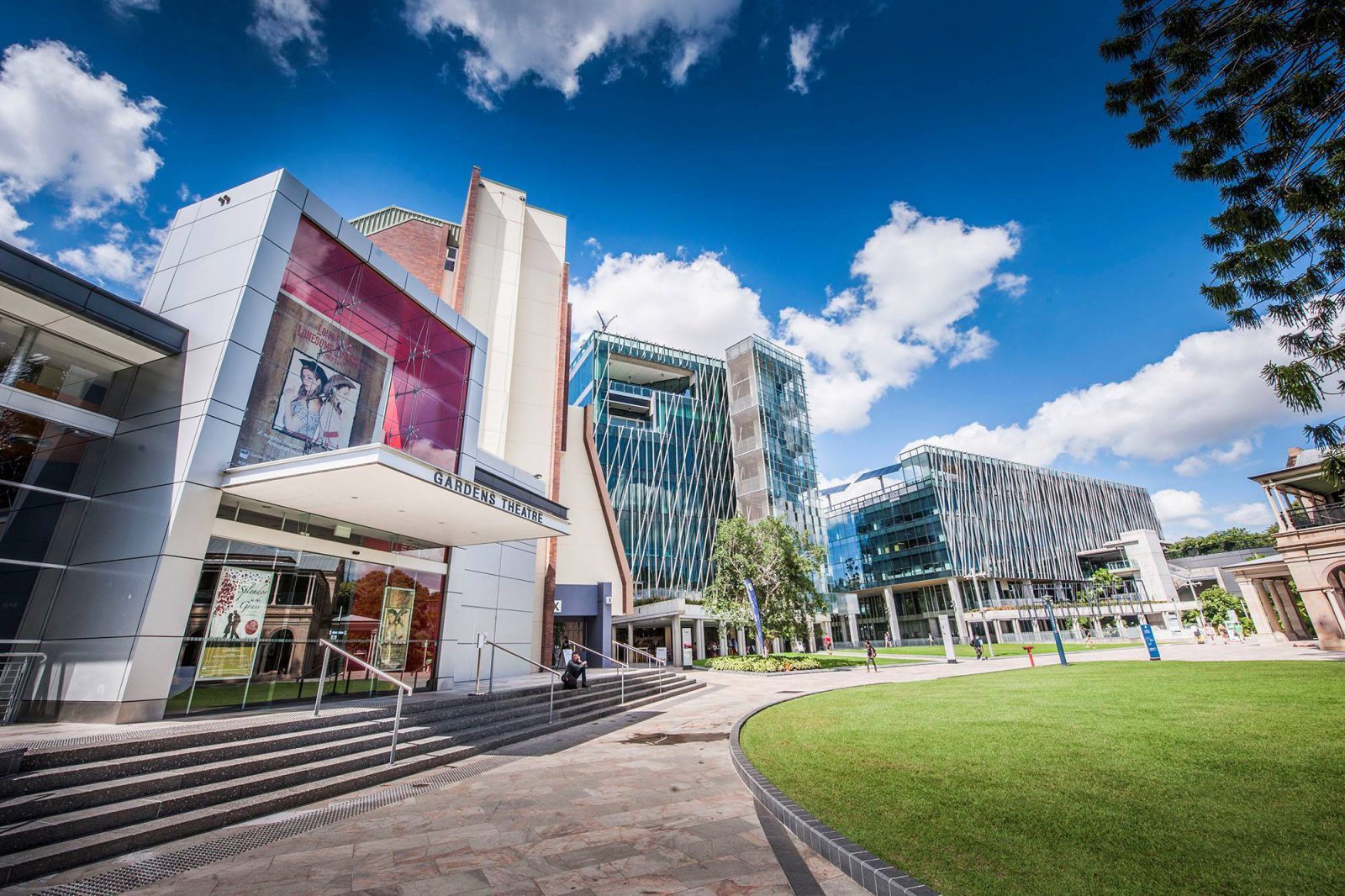
Sessional work at QUT involves flexible, contract-based teaching engagements that align with unit needs throughout the academic year. Successful candidates join a pool and may be contacted by unit coordinators when their expertise matches available opportunities. Roles focus on face-to-face delivery in the Brisbane region, emphasizing interactive learning in purpose-built facilities at the Creative Industries Precinct on the Kelvin Grove campus.
This precinct provides specialized spaces including performance venues, art galleries, music studios, and digital production suites. Sessional academics contribute to transdisciplinary approaches, helping students explore connections between disciplines such as visual arts and film or music and animation. The arrangement supports both emerging and established practitioners who wish to share knowledge without committing to full-time academic loads.
Key Requirements for Applicants
Candidates need a relevant postgraduate qualification, substantial current industry experience, and demonstrated teaching or assessment capabilities. A willingness to complete QUT induction processes and mandatory training modules is essential. Applications require a concise resume of no more than three pages highlighting teaching outcomes alongside a detailed response to the selection criteria that specifies preferred study areas.
Submissions go directly to the faculty email address. The process prioritizes evidence of expertise aligned with specific majors. Brisbane residency supports the face-to-face emphasis, though some hybrid elements may arise depending on unit design. Resumes remain active in the pool for up to 24 months, allowing ongoing consideration as needs evolve.
Application Process and Timeline
Interested individuals prepare materials addressing all selection criteria explicitly. The Expression of Interest package includes the resume and criterion response sent via email. QUT reviews submissions to match profiles with upcoming teaching requirements. Not every applicant receives contact due to volume, yet strong applications increase visibility for future semesters.
Those new to the school may participate in an informal meeting to discuss fit. Salary classifications and rates follow standard sessional scales published on the university careers site. This structured pathway ensures selected academics integrate smoothly into existing teaching teams while maintaining professional development standards.
The Role of Sessional Academics in Creative Education
Sessional staff enrich student experiences by introducing contemporary industry practices and diverse perspectives. In creative fields, where rapid technological and cultural shifts occur, these educators bridge academic theory with practical application. Students benefit from exposure to professionals actively working in animation studios, theatre companies, film productions, or galleries across Australia and internationally.
Teaching activities range from guiding studio-based projects in visual arts to facilitating script development workshops in creative writing or directing ensemble performances in drama and dance. Assessment support ensures consistent, high-quality feedback that aligns with learning outcomes. This contribution strengthens program relevance and graduate employability in competitive creative industries.
Trends Shaping Creative Arts Higher Education in Australia
Australian universities continue expanding creative programs amid growing demand for skills in digital media, storytelling, and cultural production. Enrollment patterns show steady interest in interdisciplinary degrees that combine artistic practice with business acumen or technology. Institutions like QUT respond by updating curricula to incorporate emerging tools such as AI-assisted design and virtual production techniques.
Broader sector data indicates increasing academic staff numbers overall, with growth in teaching-focused roles. Flexible staffing models help universities scale delivery efficiently while responding to fluctuating student numbers and project-based funding. Creative disciplines particularly value industry-connected educators who keep content current and inspiring.
Further insights into national patterns appear on the Department of Education higher education staff statistics page. Universities Australia also tracks workforce developments across the sector.
Benefits and Considerations for Sessional Roles
These positions offer valuable entry points or supplementary income for creative professionals. Participants gain university teaching experience, access to resources, and networking within academic communities. Many view sessional work as a stepping stone toward longer-term opportunities or as a way to maintain industry ties while contributing to education.
Flexibility suits those balancing freelance projects, exhibitions, or performances. However, the casual nature brings variability in workload and income. QUT supports new sessional staff through orientation and training, fostering a sense of belonging aligned with university values of ambition, integrity, inclusiveness, innovation, and academic freedom.
The university actively promotes diversity and inclusion, encouraging applications from Aboriginal and Torres Strait Islander peoples as well as individuals from varied cultural, linguistic, and ability backgrounds. This commitment enhances the richness of creative learning environments.
Challenges and Support for Sessional Academics
Common considerations include securing consistent hours and navigating the transition between industry and academic environments. Professional development opportunities help build pedagogical skills alongside subject expertise. QUT provides pathways for sessional staff to engage with broader faculty initiatives and research activities where relevant.
National discussions around casual academic work emphasize the importance of fair conditions, recognition of contributions, and career progression support. Institutions increasingly implement strategies to integrate sessional colleagues more fully into departmental life, improving retention and teaching quality over time.
Impact on Students and the Creative Sector
High-quality sessional teaching directly influences graduate outcomes. Students develop portfolios, networks, and practical competencies that translate into employment in film, theatre, music, publishing, design, and related fields. QUT graduates frequently contribute to Queensland's growing creative economy and national cultural landscape.
By drawing on a diverse pool of sessional academics, the school maintains fresh perspectives that reflect evolving industry standards and community voices. This approach prepares learners for collaborative, project-driven careers where adaptability and interdisciplinary thinking prove essential.
Future Outlook for Creative Arts Education
Creative industries education in Australia looks set to evolve with advancements in immersive technologies, sustainable practices, and global cultural exchange. Universities will likely expand micro-credentials and stackable qualifications alongside traditional degrees. Sessional academics with specialized expertise in emerging areas such as virtual production or cross-cultural storytelling will remain in demand.
QUT's emphasis on real-world impact positions the School of Creative Arts to lead in these developments. Ongoing investment in facilities and partnerships ensures students and educators access cutting-edge resources. Prospective sessional staff who align with these directions can play meaningful roles in shaping the next generation of creative practitioners.
Additional context on sector directions is available via the QUT School of Creative Arts overview and national reports on higher education workforce trends.
Practical Steps to Strengthen Your Application
Review the detailed position description available through QUT channels before preparing materials. Tailor the selection criteria response to highlight specific achievements in teaching and industry contexts relevant to chosen majors. Demonstrate enthusiasm for student-centered learning and commitment to inclusive practices.
Keep the resume focused and achievement-oriented. Consider how prior experience translates to university settings, such as mentoring emerging artists or leading workshops. Submitting a complete, well-evidenced application maximizes chances of joining the active pool and receiving opportunities aligned with expertise.