
Promote Your Research… Share it Worldwide
Have a story or a research paper to share? Become a contributor and publish your work on AcademicJobs.com.
Submit your Research - Make it Global NewsUnlocking Doors to Sessional Academic Positions at QUT's School of Communication
Queensland University of Technology (QUT) is actively building a talented pool of sessional academics to bolster its teaching efforts in the School of Communication. Nestled in Brisbane's vibrant creative hub, this initiative targets professionals eager to contribute to one of Australia's premier programs in media and communication studies. As universities across the nation grapple with expanding enrolments in communication fields driven by digital transformation, opportunities like these offer flexible entry points into higher education teaching. Sessional roles, often filled on a per-unit or teaching period basis, allow experts from industry to share real-world insights with undergraduate students pursuing majors in media industries, journalism, and strategic communication.
The School of Communication stands out not just for its academic rigour but for its real-world orientation. With a focus on emerging platforms, ethical digital practices, and multi-disciplinary problem-solving, instructors here shape the next generation of communicators equipped to navigate global challenges. This recruitment drive reflects QUT's commitment to maintaining its top position amid rising demand for skilled educators in communication disciplines.
Defining the Sessional Academic Role in Australian Higher Education
A sessional academic, also known as a casual or contract academic, engages in short-term teaching appointments typically lasting one teaching period or semester. Unlike permanent positions, these roles are project-based, aligning with specific units or courses, and provide universities with flexibility to match fluctuating student numbers and specialised needs. In Australia, sessional staff deliver up to 80 percent of undergraduate face-to-face teaching, making them indispensable to the sector's operations.
Responsibilities generally encompass preparing and delivering lectures or tutorials, assessing student work, providing feedback, and contributing to unit coordination as needed. For the QUT School of Communication, this translates to supporting the Bachelor of Communication across diverse majors. Academics might lead discussions on media ethics, guide journalism fieldwork, or teach strategic messaging in public relations contexts. The role demands adaptability, as appointments arise based on departmental needs and applicant expertise.
These positions appeal to doctoral candidates building teaching portfolios, industry veterans seeking part-time academia, and early-career researchers balancing multiple commitments. While offering autonomy and professional growth, they also highlight ongoing debates around casualisation in higher education, where sessionals seek greater job security and professional development pathways.
QUT School of Communication: A Global Leader in Media Education

The School of Communication within QUT's Faculty of Creative Industries, Education and Social Justice is ranked number one in Australia and 19th globally in the 2026 QS World University Rankings for media and communication studies. This accolade underscores its excellence in blending cutting-edge research with practical training. Housed in the purpose-built Creative Industries Precinct at Kelvin Grove campus, the school features state-of-the-art facilities including galleries, studios, and performance spaces that enhance hands-on learning.
Core offerings include the Bachelor of Communication, where students specialise in areas like media and communication industries, journalism, and strategic communication. Postgraduate programs such as the Master of Digital Communication further explore AI-driven content creation, platform algorithms, and inclusive media strategies. Research thrives through the Digital Media Research Centre, a hub for digital humanities tackling societal impacts of technology, and the ARC Centre of Excellence for Automated Decision-Making and Society node.
Industry ties ensure graduates—and their educators—stay relevant, with collaborations fostering internships and projects that mirror professional environments. For sessional academics, this means opportunities to influence curriculum attuned to trends like generative AI in journalism and sustainable communication practices.
Essential Qualifications and Experience for Aspiring Sessionals
To join QUT's pool, candidates must demonstrate strong academic credentials and practical prowess. Primary requirements include:
- At least a Master's degree or current enrolment in one, with preference for doctoral candidates in relevant fields like communication, media studies, or journalism.
- Current, relevant industry experience in sectors such as media production, public relations, digital marketing, or broadcasting.
- Proven teaching or assessing experience, ideally at tertiary level, showcasing student engagement and curriculum delivery skills.
- Commitment to completing QUT's mandatory induction and online training modules.
Brisbane residency is essential for face-to-face delivery, emphasising the school's emphasis on interactive, in-person pedagogy. Selection prioritises alignment with specific majors, so highlighting expertise in journalism ethics or media industries gives applicants an edge.

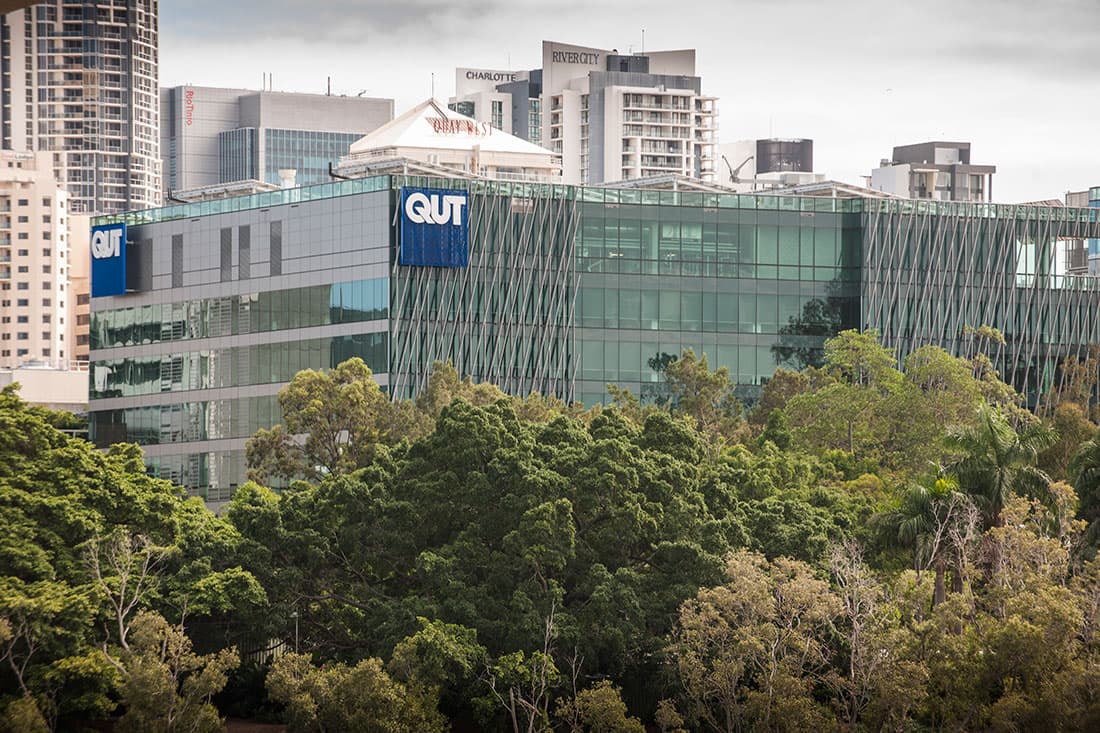
Photo by Queensland University of Technology on Unsplash
Navigating the Application Process: A Step-by-Step Guide
Applying to QUT's sessional pool is straightforward but detail-oriented. Follow these steps to maximise success:
- Review your fit: Assess your qualifications against the majors: Media and Communication Industries, Journalism, or Strategic Communication.
- Prepare documents: Craft a concise CV (maximum three pages) detailing education, industry roles, teaching history, and unit preferences.
- Compose email: Nominate your preferred major(s), state your highest qualification, and attach the CV. Email to ciesj.communication@qut.edu.au.
- Submit promptly: Expressions of interest remain active for 12 months, with unit coordinators contacting matches as needs arise.
- Follow up: Complete any requested inductions or training upon offer.
For broader opportunities, explore QUT's casual portal at QUT Careers.
Compensation, Benefits, and What to Expect Financially
QUT remunerates sessional academics via competitive casual rates updated annually. As of December 2025, hourly equivalents include:
| Category | Rate |
|---|---|
| Casual Lecture - Basic | $232.33 |
| Casual Lecture - Developed | $310.20 |
| Casual Tutorial (indicative) | $120-150 |
Rates vary by activity (lecturing, tutoring, marking) and expertise level, incorporating casual loading for no paid leave. Benefits encompass superannuation contributions up to 17 percent, professional development access, and campus perks like gyms and libraries. While income fluctuates with hours—typically 50-200 per semester—many supplement with multiple institutions.
View detailed scales via QUT Sessional Salary PDF.
The Broader Context: Sessional Staff in Australia's Expanding Higher Ed Sector
Australia's higher education landscape is booming, with enrolments projected to grow amid a market valued at USD 40.1 billion in 2025. Yet, casualisation persists: sessionals comprise 50-80 percent of undergraduate teaching hours, though recent data shows slight declines in casual FTE amid decasualisation pushes like the 2024 Closing Loopholes Act. In communication fields, demand surges due to digital media evolution, with interpersonal skills topping job ads.
Challenges include precarious workloads and limited pathways to permanency, but initiatives like QUT's pool offer stability through recurring appointments. National trends indicate rising student success rates (87.9 percent in 2025) partly creditable to experienced casuals.

Building a Sustainable Career as a Sessional Academic
Sessional roles serve as launchpads to full-time lectureships, with many QUT alumni transitioning via demonstrated excellence. Professional development includes research collaborations at the Digital Media Research Centre and teaching workshops. Networking within the Faculty of Creative Industries opens doors to grants and publications.
Success stories abound: industry journalists finding purpose in mentoring, PhD students accruing scholarly service, and PR experts bridging theory-practice gaps. Balancing multiple gigs requires strong time management, but yields diverse experience.

Photo by Queensland University of Technology on Unsplash
Emerging Trends Shaping Communication Teaching Roles
By 2030, communication management jobs are forecasted to grow eight percent, fuelling academic demand. Key shifts include AI integration in curricula, emphasis on ethical journalism amid misinformation, and hybrid media strategies. QUT's forward-thinking approach positions sessionals to lead these innovations.
Government incentives for teacher training and research funding further bolster opportunities, particularly in Queensland's media hub.
Actionable Advice for Standing Out in Your Application
- Tailor your CV to QUT's majors, quantifying impacts (e.g., 'Mentored 50 students to 90% pass rate').
- Gather student evaluations or peer testimonials showcasing engagement.
- Research units via QUT's course finder to propose specific contributions.
- Leverage platforms like AcademicJobs.com for visibility.
- Prepare for interviews by aligning experiences with QUT's real-world focus.
With enrolments rising and digital demands escalating, now is prime time to join QUT's dynamic team.


Be the first to comment on this article!
Please keep comments respectful and on-topic.