
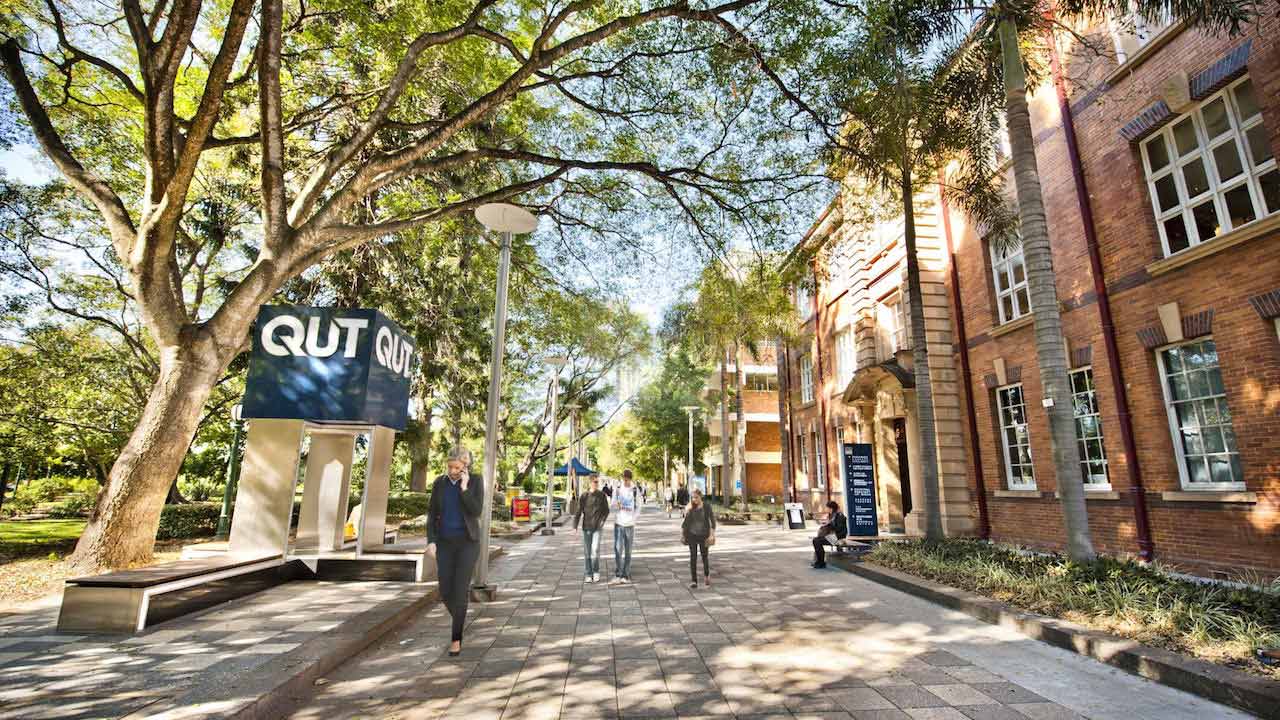
Australia faces mounting pressures on its water resources, from prolonged droughts and intense flooding to the need for sustainable urban development and environmental protection. In this context, academic roles that bridge cutting-edge research with practical teaching are vital. Queensland University of Technology (QUT) is currently seeking a Lecturer or Senior Lecturer in Water Engineering to strengthen its School of Civil and Environmental Engineering. This ongoing, full-time position based at the Gardens Point campus in Brisbane offers a hybrid work arrangement and represents a significant opportunity for experienced professionals to contribute to real-world solutions in water management.
The Critical Role of Water Engineering Amid Australia's Environmental Challenges
Water engineering encompasses the design, management, and optimisation of systems that handle water supply, treatment, distribution, stormwater, and wastewater. In Australia, these skills are essential due to the country's variable climate, growing urban populations, and commitments to environmental sustainability. Regions like the Murray-Darling Basin illustrate the complexities involved, where balancing agricultural needs, ecological health, and community access requires sophisticated modelling and adaptive strategies. Climate change exacerbates these issues, leading to altered rainfall patterns, increased evaporation rates, and more frequent extreme events. Professionals in this field develop innovative approaches such as Water Sensitive Urban Design (WSUD), advanced hydrological modelling, and nature-based solutions to build resilience. QUT's new appointment will help address these national priorities through both education and applied research.
QUT's Leadership in Civil and Environmental Engineering Education and Research
Queensland University of Technology stands out for its practical, industry-aligned approach to engineering education. The School of Civil and Environmental Engineering integrates teaching and research to tackle challenges like infrastructure resilience, climate adaptation, and resource management. Its Water and Environmental Engineering Research group focuses on sustainable water and wastewater treatment technologies, real-time monitoring with low-cost sensors, integrated urban water management, advanced modelling in hydrology and hydraulics, contaminant management including emerging pollutants like PFAS, and policy development. Collaboration with industry and government partners ensures that academic work translates into tangible outcomes, such as improved flood forecasting and smarter water asset performance. This environment provides an ideal setting for a new academic to lead initiatives that position QUT as a leader in sustainable water solutions.
Core Responsibilities in Teaching and Curriculum Development
The successful candidate will deliver high-quality teaching across undergraduate and postgraduate civil engineering courses, incorporating innovative and scholarly approaches to learning. This includes developing curriculum that covers engineering hydraulics, hydrology, and water resources management while preparing students for careers in a rapidly evolving sector. Emphasis is placed on practical skills, such as using modelling software, understanding regulatory frameworks, and applying sustainable design principles. The role also involves supervising research students and fostering an engaging classroom environment that encourages critical thinking and problem-solving. By mentoring the next generation of engineers, the appointee will help ensure Australia's water sector remains equipped with skilled professionals capable of addressing complex, interconnected challenges.
Research Leadership and Industry Collaboration Expectations
Research forms a cornerstone of this position, with expectations for demonstrated leadership through successful grant applications, high-quality peer-reviewed publications, and presentations at top-tier conferences. Candidates should align their work with the school's strengths in water engineering while pursuing external funding opportunities. Industry engagement is highly valued, enabling partnerships that drive applied projects and knowledge translation. For instance, collaborations could focus on real-time monitoring systems or integrated approaches to urban water cycles. The hybrid work model supports flexibility, allowing the academic to balance on-campus teaching and research activities with off-campus collaboration. This setup reflects QUT's forward-thinking approach to academic work in a connected world.
Further insights into national water strategies can be found on the Australian Government’s National Water Grid page, which highlights investments in water security and climate adaptation.
Essential Qualifications and Experience for Applicants
Ideal candidates will hold a PhD in a relevant field such as civil engineering, environmental engineering, or water resources engineering, complemented by a strong track record in research leadership. This includes securing competitive grants, publishing in high-impact journals, and demonstrating industry engagement. Teaching experience in civil engineering subjects is required, along with the ability to contribute to a collaborative, high-performance culture. Interpersonal skills for building internal and external partnerships are crucial, as is alignment with QUT’s values of ambition, integrity, inclusiveness, innovation, and academic freedom. Aboriginal and Torres Strait Islander applicants are particularly encouraged, in line with the university’s Indigenous Australian Employment Strategy. No visa sponsorship is available, so ongoing full-time work rights in Australia are mandatory.
Attractive Remuneration, Benefits, and Work-Life Balance at QUT
The salary package is competitive, ranging from AUD$137,608 to $163,427 per annum for Level B (Lecturer) or AUD$168,578 to $194,406 per annum for Level C (Senior Lecturer), inclusive of 17% superannuation and 17.5% recreation leave loading. Additional benefits include generous parental leave of up to 26 weeks for primary carers, a purchased leave scheme for up to eight extra weeks, salary packaging options, Fitness Passport access, and professional development opportunities. QUT emphasises work-life balance through its hybrid arrangements and commitment to inclusivity, creating an environment where staff can thrive personally and professionally. These provisions support long-term career satisfaction and retention in academia.
Pathways for Career Growth in Australian Higher Education
Positions like this serve as stepping stones for engineers transitioning into or advancing within academia. Early-career researchers can build profiles through grant success and teaching excellence, progressing from Lecturer to Senior Lecturer and beyond. The role offers scope for leadership in research centres, supervision of higher-degree students, and contributions to university governance. Broader opportunities exist across Australian institutions, where demand for expertise in sustainable infrastructure and environmental engineering continues to grow. This appointment at QUT exemplifies how academic roles combine intellectual stimulation with societal impact, allowing professionals to influence policy, industry practices, and community outcomes.
Real-World Impacts of Water Engineering Academics on Society
Academics in water engineering play pivotal roles in shaping responses to pressing issues. Their research informs better flood management, more efficient treatment processes, and equitable water allocation strategies that benefit agriculture, urban communities, and ecosystems. For example, advancements in hydrological modelling help predict and mitigate risks in vulnerable catchments, while WSUD principles guide the creation of liveable cities. By educating students and collaborating with stakeholders, these experts ensure that innovative solutions reach implementation. The position at QUT will amplify these contributions, supporting Australia’s goals for environmental sustainability and economic resilience in the water sector.
Explore CSIRO’s work on water resources for additional context on national research efforts: CSIRO Water Research.
Preparing a Strong Application and Next Steps
Prospective applicants should highlight their research achievements, teaching philosophy, and industry experience in their submissions. A well-crafted academic CV that demonstrates grant success, publication records, and partnership development will stand out. The application process involves submitting materials through the official QUT portal, with a closing date of 12 July 2026. Preparation tips include reviewing the position description for alignment with specific research areas like hydraulics and hydrology. This is an excellent time for qualified professionals to advance their careers while contributing to meaningful work in higher education.

Future Outlook for Water Engineering in Australian Academia
As climate pressures intensify and technological advancements like IoT-enabled monitoring and AI-driven modelling emerge, demand for skilled water engineering academics will rise. Universities across Australia are expanding programs to meet workforce needs, creating ongoing opportunities for those passionate about education and innovation. QUT’s investment in this role signals a proactive stance toward building capacity in the field. For individuals considering academic careers, now is an opportune moment to engage with institutions driving sustainable change. The outcomes will benefit not only the higher education sector but also the broader Australian community reliant on effective water management.