
Spain's higher education sector is grappling with the profound effects of record-breaking heat and associated wildfires in 2026, prompting universities across the country to reassess research priorities, field methodologies, and ecosystem studies. Institutions are increasingly integrating climate resilience into curricula and collaborative projects, reflecting a broader shift toward addressing environmental challenges through academic inquiry.
Adapting Research Agendas in Spanish Universities
Faculty and researchers at Spanish universities are revising fieldwork protocols to account for extreme temperatures that pose risks to both personnel and equipment. This includes developing new safety guidelines and remote monitoring techniques that reduce the need for prolonged exposure in affected areas. Such adaptations ensure continuity in data collection while prioritizing the well-being of academic staff and students.
Collaborations between departments of environmental science, biology, and engineering are expanding, fostering interdisciplinary approaches to understanding how prolonged heat affects biodiversity and soil health. These efforts align with national priorities for sustainable development and position Spanish higher education as a leader in climate-related scholarship.

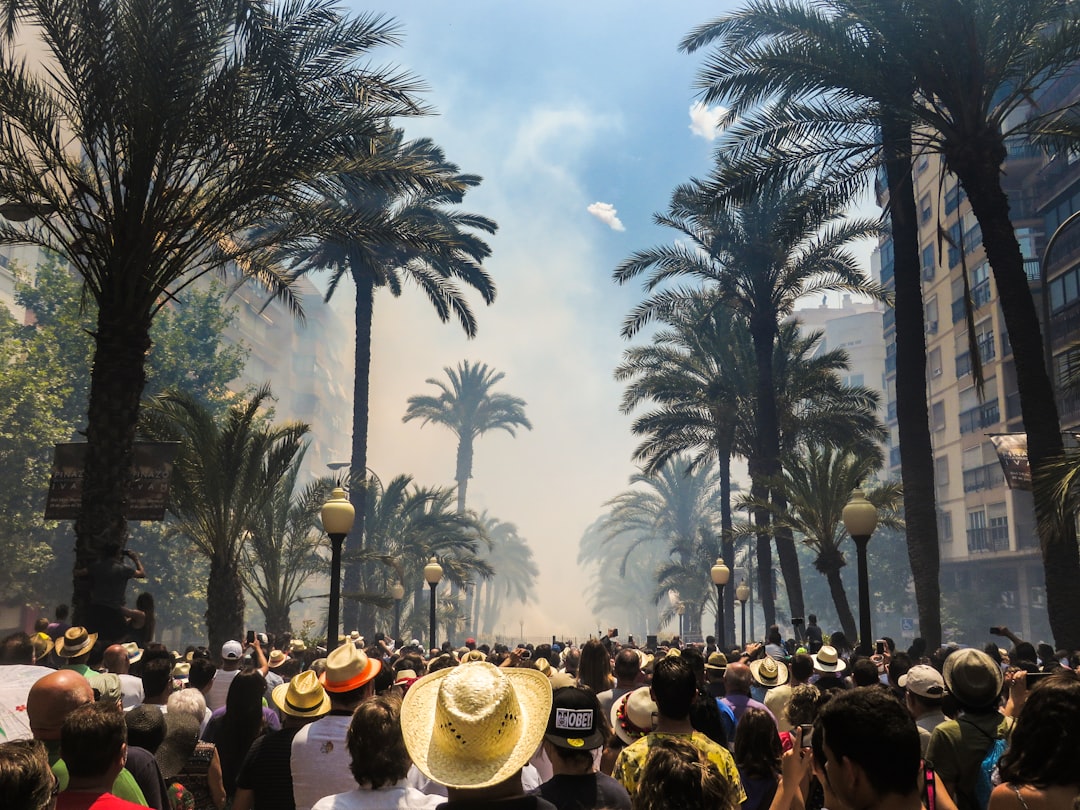
Photo by Silviya Nenova on Unsplash
Impacts on Ecosystem Studies and Field Research
Ecosystem research in Spain faces unique hurdles as wildfires alter landscapes and disrupt long-term monitoring sites. Universities are responding by establishing new protected research plots and investing in satellite and drone technologies to gather data without direct human presence in high-risk zones. This shift not only mitigates immediate dangers but also enhances the precision of environmental modeling.
Graduate programs are incorporating modules on climate adaptation, preparing the next generation of researchers to navigate changing conditions. PhD candidates are exploring topics such as post-fire recovery patterns and heat stress on native flora, contributing valuable insights that inform both policy and conservation strategies.
Funding and Institutional Support for Climate Research
Spanish universities are seeking additional resources to sustain and expand climate and ecosystem research amid these challenges. Grants focused on environmental resilience are becoming more prominent, supporting projects that examine the intersection of heat events and academic productivity. Administrators are also advocating for increased investment in laboratory facilities that can simulate extreme conditions for controlled experiments.
These initiatives help maintain Spain's competitive edge in European research networks, where collaborative studies on climate impacts are gaining momentum. By prioritizing such funding, institutions ensure that academic output remains robust despite external pressures.

Photo by Eugene Chystiakov on Unsplash
Challenges for Academics and Career Development
Early-career researchers and postdoctoral fellows encounter particular difficulties when extreme weather disrupts planned fieldwork or conference attendance. Universities are addressing this through flexible timelines, virtual collaboration platforms, and mentorship programs that emphasize resilience and adaptive strategies. Career advice sessions now routinely include discussions on balancing research ambitions with environmental realities.
Professional development opportunities, such as workshops on data analytics for climate modeling, are helping academics pivot toward computational approaches that complement traditional fieldwork. This evolution supports long-term career sustainability in a field increasingly defined by climate variability.
Future Outlook for Higher Education in Environmental Sciences
Looking ahead, Spanish universities are poised to play a central role in national and international responses to climate challenges. New degree programs and research centers dedicated to ecosystem management and heat adaptation are under consideration, reflecting demand from both students and industry partners. These developments promise to strengthen the pipeline of qualified professionals equipped to tackle pressing environmental issues.
By embedding climate considerations into core academic functions, Spain's higher education institutions are not only responding to current events but also building capacity for future generations of scholars. This proactive stance underscores the vital contribution of universities to societal resilience.


