
Discovering the Premier Leadership Opportunity at NorthWest Arkansas Community College
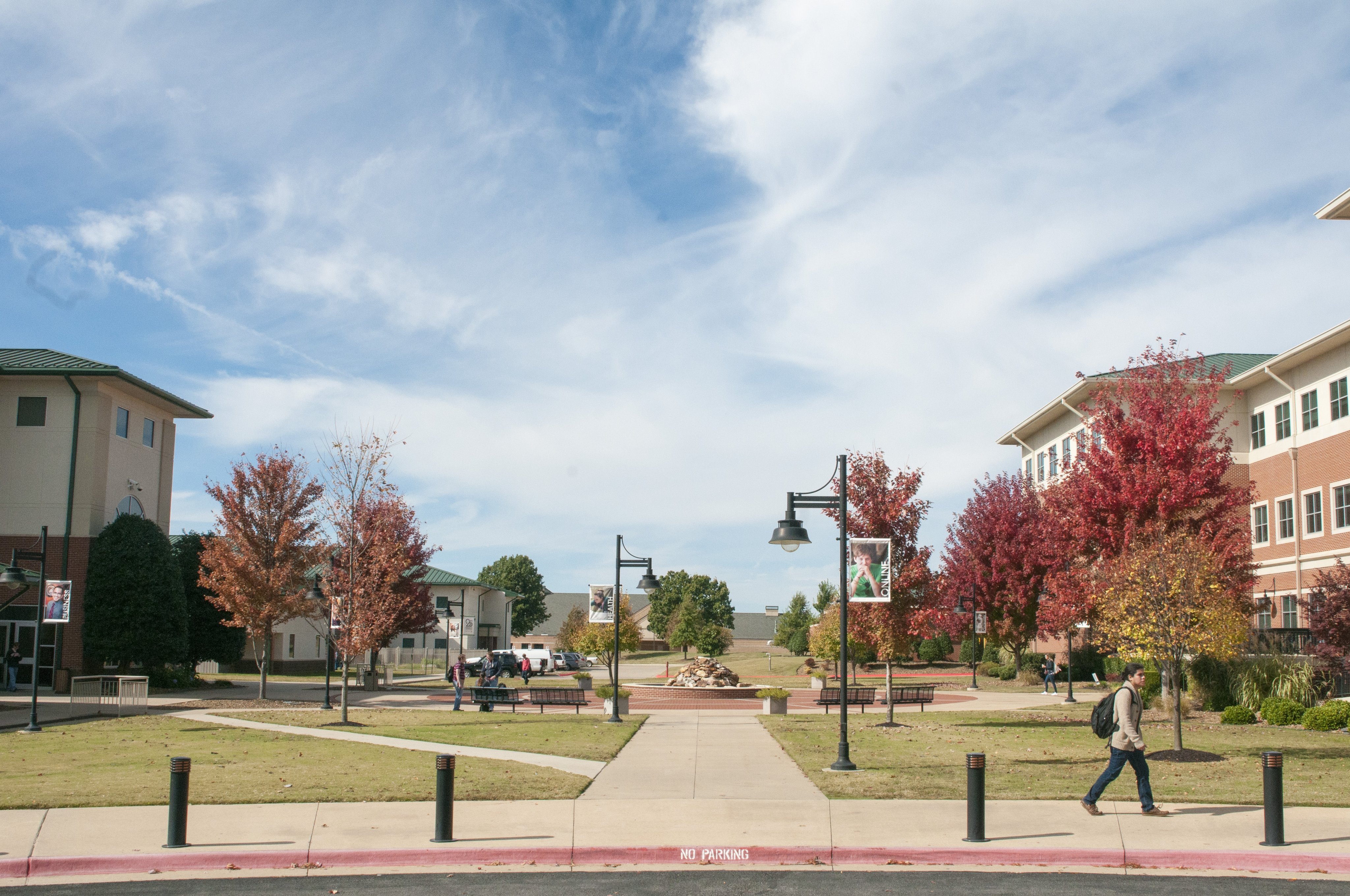
NorthWest Arkansas Community College (NWACC) stands as a beacon of educational excellence in the heart of a rapidly expanding region. Nestled in Bentonville, Arkansas, this institution has become the largest community college in the state, serving over 8,000 students annually with a diverse array of associate degrees, technical certificates, and workforce training programs. The recent announcement of the Division Dean position for Communication & Arts presents a pivotal moment for visionary leaders passionate about fostering creativity and innovation in higher education.
This role comes at a time when Northwest Arkansas—home to global giants like Walmart headquarters and a burgeoning tech and arts scene—is experiencing unprecedented growth. Bentonville's transformation from a quiet town into a vibrant hub for culture, business, and education underscores the strategic importance of strengthening programs in communication and the arts. Aspiring deans will find themselves at the forefront of shaping the next generation of artists, communicators, journalists, and designers in one of America's most dynamic regions.
NorthWest Arkansas Community College: A Hub of Innovation and Growth
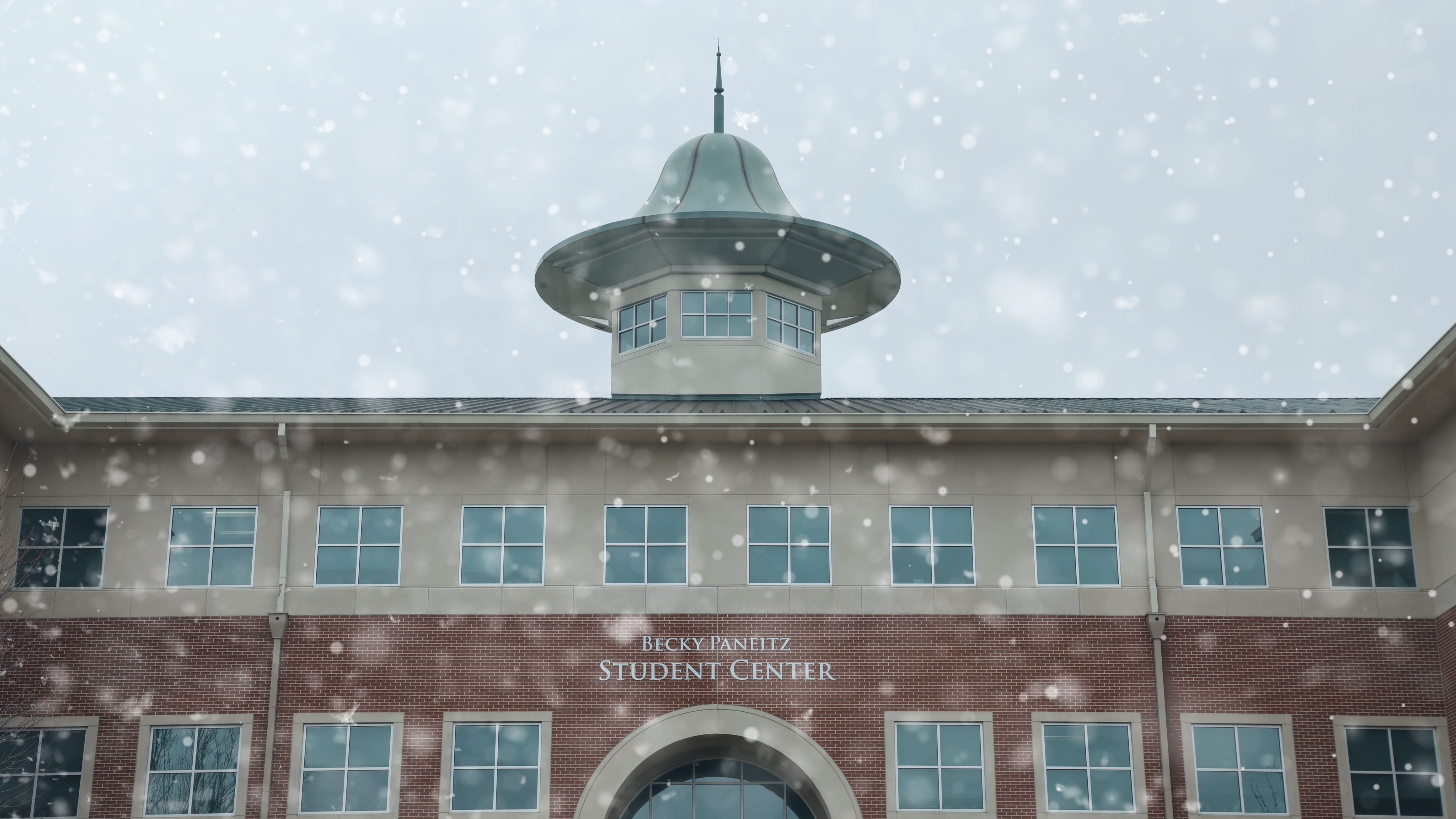
Founded in 1989, NWACC has evolved dramatically, mirroring the economic boom fueled by corporate relocations and investments in infrastructure. The college's main campus in Bentonville features state-of-the-art facilities, including the Shetty Center for Hospitality and the upcoming expansions in health sciences and technology. With an 18:1 student-to-faculty ratio, NWACC emphasizes personalized education, boasting high transfer rates to four-year universities and strong workforce placement outcomes.
The institution's commitment to affordability—average in-district tuition around $4,000 per year—makes it accessible to a broad demographic, including first-generation students and working adults. Recent enrollment data shows stabilization and growth post-pandemic, with community colleges nationwide reporting a 3-4% uptick in 2025, particularly in career-focused programs. NWACC's strategic location near Crystal Bridges Museum of American Art and the Walmart Campus enhances partnerships, providing students real-world exposure.

Inside the Communication & Arts Division: Programs and Impact
The Division of Communication & Arts at NWACC is a powerhouse, offering pathways in art, graphic design, creative writing, English for college and career, media and journalism, music, theatre, cinematic arts, and languages. Students pursue Associate of Arts (A.A.) degrees tailored for transfer, alongside technical certificates like Graphic Design Proficiency that lead directly to employment.
Key programs include the Associate of Fine Arts in disciplines such as creative writing, music, and theatre, preparing graduates for baccalaureate pursuits. The division's journalism and media track equips students with skills in multimedia storytelling, vital in today's digital landscape. Hands-on opportunities abound, from theatre productions at the NWACC Fine Arts Center to graphic design projects collaborating with local businesses. Enrollment in arts and humanities courses has held steady, reflecting demand for creative skills amid workforce shifts toward content creation and visual communication.
Faculty in the division are practitioners—professional artists, journalists, and performers—who bring industry insights to the classroom. This blend of theory and practice ensures graduates are competitive, with many securing roles at regional media outlets, design firms, and cultural institutions.
Core Responsibilities of the Division Dean
The Division Dean serves as the chief academic and administrative leader, overseeing all facets of the division's operations. This includes directing curriculum development, ensuring program alignment with accreditation standards like those from the Higher Learning Commission, and championing student success initiatives. Daily duties encompass faculty and staff hiring, performance evaluations, professional development, and fostering a collaborative environment.
Budget management is central, involving resource allocation for equipment, events, and facilities upgrades. The dean coordinates program reviews, resolves student issues, and liaises with college leadership on strategic planning. External outreach—partnerships with K-12 schools, four-year universities, and industry—is key to expanding enrollment and transfer pathways. In a community college setting, the role demands versatility: from advocating for arts funding to integrating emerging technologies like AI in design courses.
- Lead faculty recruitment and supervision to maintain high instructional quality.
- Develop and assess curricula responsive to labor market needs.
- Manage divisional budgets and facilities effectively.
- Promote equity, diversity, and inclusion across programs.
- Represent the division in college-wide committees and community engagements.
Qualifications and Profile of an Ideal Candidate
Candidates must hold a master's degree in a relevant field, with a doctorate strongly preferred from a regionally accredited institution. A minimum of five years' teaching experience in higher education, coupled with proven administrative leadership—such as department chair or program director—is essential. Experience in community colleges is advantageous, given their unique focus on access and applied learning.
Strong communication skills, data-driven decision-making, and a commitment to student-centered pedagogy are non-negotiable. The ideal dean demonstrates cultural competency, navigating diverse student populations, and a track record of accreditation success. Knowledge of trends like digital media evolution and sustainable arts funding positions applicants favorably. Salary starts at approximately $100,362, with comprehensive benefits including retirement plans and professional development support.
For more on the division's offerings, explore the NWACC Communication & Arts page.
Navigating Trends in Arts and Communication Education at Community Colleges
Community colleges are pivotal in democratizing access to arts and communication training, yet face evolving demands. Enrollment in humanities has fluctuated, but specialized programs like graphic design and digital journalism thrive, driven by industry needs. A 2025 National Student Clearinghouse report notes over 19 million postsecondary enrollments, with community colleges gaining ground through affordability and flexibility.
Key trends include hybrid learning models post-2025, integration of AI tools for content generation, and emphasis on transferable skills like visual storytelling. Funding challenges persist, with public two-year tuition averaging $1,440-$2,250 in-district, but grants and partnerships mitigate gaps. Deloitte's 2026 Higher Education Trends highlight reinvention amid enrollment pressures and tech advancements.
Challenges and Strategic Opportunities for Division Leaders
Division deans confront budget constraints, faculty retention amid competitive salaries, and adapting curricula to rapid tech changes. Enrollment volatility—down 40% since 2010 peaks but rebounding—requires innovative recruitment. DEI initiatives demand proactive leadership to support underrepresented voices in arts fields historically dominated by certain demographics.
Opportunities abound: Northwest Arkansas' arts ecosystem, including Walton Family Foundation support, offers collaboration potential. Leaders can pioneer micro-credentials in digital media, boost transfer rates via articulation agreements, and leverage regional growth—projected 2% annual population increase—for sustained enrollment. Success stories from peers, like expanded media labs at California community colleges, provide blueprints.

Reference the National Student Clearinghouse enrollment trends for data insights.
Why Northwest Arkansas is the Ideal Setting for This Role
Bentonville's renaissance positions NWACC uniquely. With world-class biking trails, the 21c Museum Hotel, and Crystal Bridges drawing millions, the area fosters a creative economy. Walmart's presence drives demand for communication specialists in corporate media, while startups seek graphic designers. Quality of life shines: low cost of living, excellent schools, and outdoor recreation attract families.
The region's economic forecast predicts robust job growth in professional services, aligning with division programs. Deans here influence not just academia but community culture, through events like NWACC Theatre productions attended by thousands annually.
Application Process and Timeline
Applications close May 16, 2026—act swiftly. Submit via the official portal, including a cover letter, CV, transcripts, and statements on leadership philosophy and diversity commitment. References will follow initial screening. The process involves interviews, presentations, and campus visits.
Apply directly at NWACC Careers or view details on AcademicJobs.com. Prepare by researching NWACC's strategic plan and division metrics.
Career Advancement Advice for Aspiring Higher Ed Leaders
Transitioning to dean requires building a portfolio of administrative wins: lead committees, secure grants, mentor faculty. Network via American Association of Community College conferences. Tailor applications to institutional missions—NWACC prioritizes innovation and equity. Post-appointment, prioritize transparent communication and data analytics for impact measurement.
Future Outlook: Shaping Tomorrow's Creatives
As higher education pivots toward skills-based learning, the Division Dean at NWACC will drive transformative change. Expect growth in cinematic arts amid streaming booms and communication programs adapting to AI ethics. With supportive leadership and regional momentum, this role promises lasting legacy in US community college arts education.


Discussion
Be the first to comment on this article!
You’ll be asked to sign in before your comment is posted.