

James Cook University has put a new enterprise portfolio manager job on the table in Townsville, and if you're reading the advertisement the way most people read a university job ad, you'll miss why this one is worth a hard look.
This is a professional staff role, not an academic appointment. It sits at the layer above project and program management. The person who takes it will own the view across a stack of initiatives, decide what gets priority, and report on whether the whole portfolio is delivering what the university actually needs.
The position is advertised through James Cook University's careers platform and lists Townsville, Queensland as the location. The title may sound corporate, but the context is squarely higher education, with all the competing demands that brings.
What the Role Actually Demands
A project has a start and a finish. A program groups related projects under one owner. A portfolio is the decision layer above both. It's the full set of initiatives an organisation chooses to fund, run, pause or stop, and the portfolio manager's job is to keep that set coherent.
In a university, the portfolio can include student system replacements, campus infrastructure, research platform upgrades, compliance programs and faculty-led service redesigns. The enterprise portfolio manager has to sequence all of that work so teams aren't overloaded by March and idle by October.
Hiring panels at this level usually probe for more than a formal project management certificate. They want evidence that you have managed dependencies across silos, reallocated funding when priorities changed, and killed weak projects before they dragged down the rest of the portfolio. If you cannot show a time you said no to a sponsor and made it stick, expect a short interview.
Why Universities Are Formalising This Role
Universities run more simultaneous initiatives than they did a decade ago. Enrolment shifts, research funding cycles and regulatory deadlines all pull in different directions. A university cannot simply pause teaching while a system migration overruns, and a faculty dean does not report to the project manager trying to change their workflows.
That is why portfolio oversight has moved from a dotted line in a project management office to a named role. The enterprise portfolio manager gives the institution a single point of accountability for the total pipeline of change, not just the health of individual projects.
James Cook University is part of that shift. The full position description and current closing date are on the James Cook University careers page.
What a Hiring Panel Will Actually Probe
University interviews for portfolio roles are less likely to ask for definitions and more likely to run scenarios drawn from real institutional pain. You should arrive ready to discuss:
- How you built a portfolio view when data was incomplete, not when it was clean.
- How you handled a senior sponsor who kept adding scope after the business case closed.
- How you managed dependencies across projects that did not report to you directly.
- What you stopped, not just what you started, to protect delivery capacity.
Bring examples with numbers: the projects you killed, the spend you reallocated, the timeline you recovered after a priority changed. If you come from government, health or utilities instead of higher education, show you understand that a university campus cannot simply go dark for a weekend every time a system needs upgrading.
Townsville Is Not a Small-Town Posting
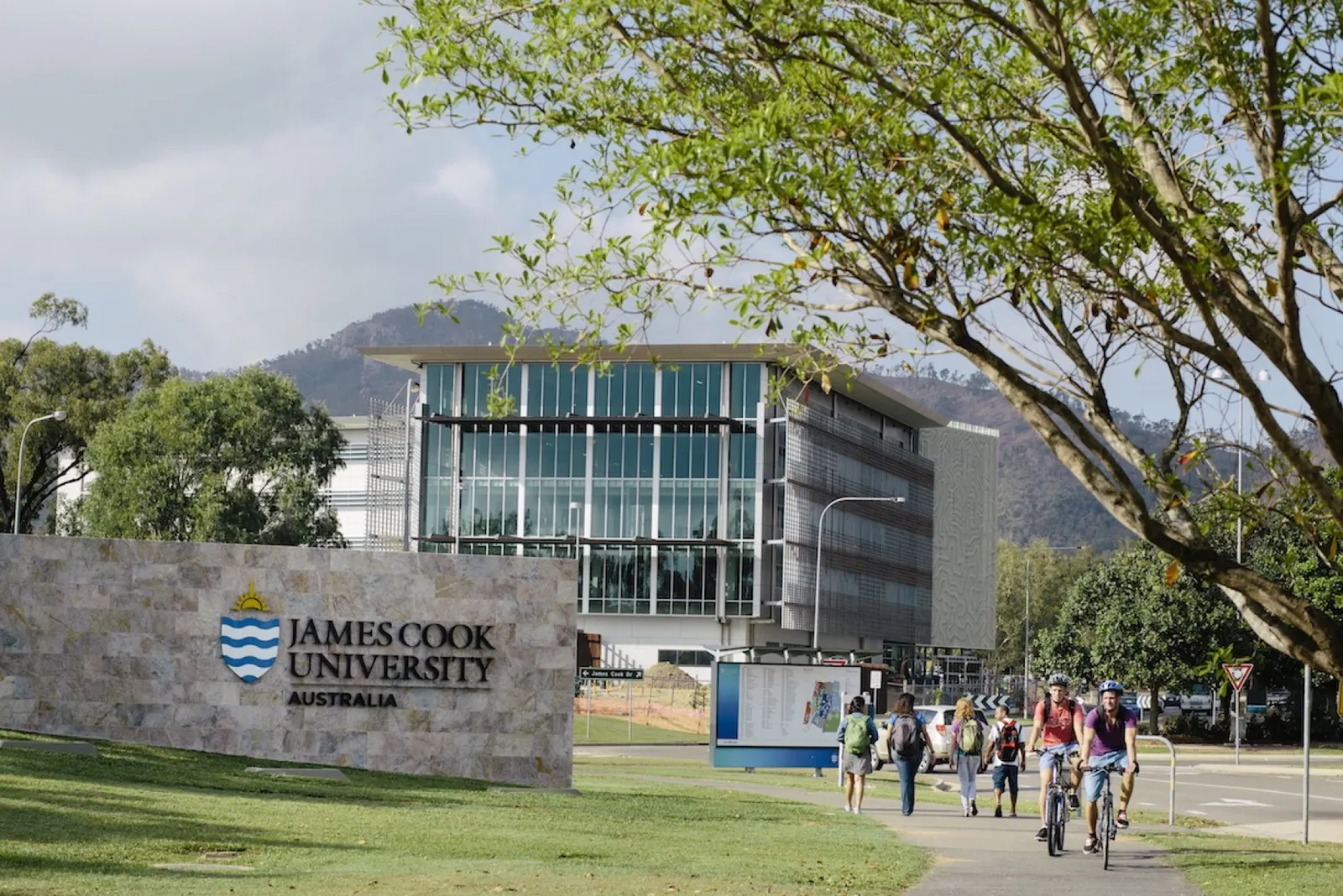
Townsville is the largest city in northern Queensland and a serious operational base for health, defence, marine science and education. James Cook University's Townsville campus is the largest of its Australian sites, and the university also runs campuses and study locations in Cairns, Singapore and across regional Queensland.
That means the portfolio manager will operate in a multi-campus environment. Decisions made in Townsville can affect staff and students in Cairns, Singapore and remote locations, and the job will require comfort with distance, different time zones and stakeholders who are not in the same building.
For more on the university's footprint and strategy, see the James Cook University website.
How to Apply Without Wasting Your Shot
The application itself should be a portfolio management task. You do not send a generic CV and hope the panel sees potential. You treat the position description as your scope statement, and you build your evidence against it.
- Pull the key selection criteria out of the position description and put each one on a page.
- Write a short example against every criterion using the STAR structure: situation, task, action, result.
- Put the strongest evidence in the first three lines of your cover letter, not the final paragraph.
- Check the university's current strategic plan and annual report before you write anything. Use the language JCU actually uses, not generic project-management wording.
- Submit through the official portal even if you have a contact inside the university, because late-stage panel processes run on the system, not on email.
If you want a quick snapshot of the opportunity before you commit an hour to the university's own system, the Enterprise Portfolio Manager listing on AcademicJobs points to the official application page and gives you the core details in one place.

One Move Before the Deadline
Spend forty-five minutes today. Open the position description, mark the closing date in your calendar, and write one paragraph that maps your strongest portfolio decision to JCU's published strategic priorities. That paragraph becomes the spine of your application.
Everyone else will submit a CV and wait. You'll be the candidate who showed up able to answer the only question that really matters: what have you done for a whole portfolio, not just a project?



Discussion
Be the first to comment on this article!
You’ll be asked to sign in before your comment is posted.