

Most candidates will scroll past “Executive Officer, Complaints and Inquiries” because the title sounds like a back-office role. That is a mistake, and it is the kind of mistake that leaves strong university administration jobs to the handful of people who read the position description closely.
Bond University has advertised the role through its own jobs portal, and the position sits in the part of a university that few outsiders see until something goes wrong: the formal handling of complaints, appeals and external inquiries. If you have worked in a registrar’s office, a legal practice, a government ombudsman’s office or a corporate complaints team, you already know the skills this job tests daily.
Why the role matters more than the title suggests
Australian universities operate under the Higher Education Standards Framework, which requires institutions to have effective internal complaints handling and review mechanisms. That is not a policy footnote. When a student challenges a grade, a staff member raises a grievance, or a regulator asks a question, the university has to respond in a way that is fair, timely and documented.
Bond is not advertising a receptionist job. It is advertising a role that sits inside the governance layer of the institution. The person appointed will handle matters that can escalate to external agencies, legal claims or media attention if they are mishandled. That is why the role exists as a dedicated position rather than an add-on to someone else’s workload.
What the advertised role actually covers
The job title gives you the broad shape, but the daily work is more specific. Expect to be the first point of coordination for complaints and inquiries lodged with the university, including those from students, parents, staff and members of the public. You will be reading incoming matters, deciding how urgent or sensitive they are, and routing them to the right university area.
Typical duties in a university complaints and inquiries role include:
- Receiving and triaging complaints, appeals and inquiries through formal channels
- Coordinating responses across academic and administrative units
- Maintaining confidential case records and preparing reports for senior decision-makers
- Supporting investigations and reviews under university policies
- Advising staff on complaints procedures and procedural fairness obligations
The regulatory basis for this work is the Higher Education Standards Framework 2021, administered by the Tertiary Education Quality and Standards Agency. Providers must show they have clear processes for handling complaints and appeals, and staff in these roles are expected to apply procedural fairness from first contact through to outcome.
What makes a competitive applicant
You don’t need to have worked inside a university to be a strong candidate. Complaints handling, case management, administrative law, ombudsman work, regulatory compliance and legal support all transfer directly into this role. What matters is that you can read a policy, apply it consistently and write a clear recommendation under pressure.
Bond’s advertisement directs applicants to the full position description. Use it. The university will set out the selection criteria it wants addressed. In this kind of role, the shortlisting panel is looking for evidence that you can manage confidential information, handle difficult conversations without becoming defensive, and produce written records that stand up to external review.
How to apply without wasting your shot
The official application link is Bond University’s job listing, and the role is also listed at AcademicJobs.com. Open both. The Bond portal is where you submit, but the AcademicJobs listing gives you a second view of how the role is being described to the Australian job market.
Before you write your cover letter, do these things in this order:
- Download the position description and highlight every selection criterion
- Write one brief example against each criterion, naming the situation, task, action and result
- Read Bond University’s current complaints and appeals policies so you can speak to the framework
- Confirm your eligibility to work in Australia before you invest time in the application
Do not bury your case management experience in a generic cover letter. The panel does not need five paragraphs about your passion for higher education. It needs to see that you know how to open a matter, record it, escalate it at the right threshold and close it out with a defensible decision.
The Bond University context candidates should know
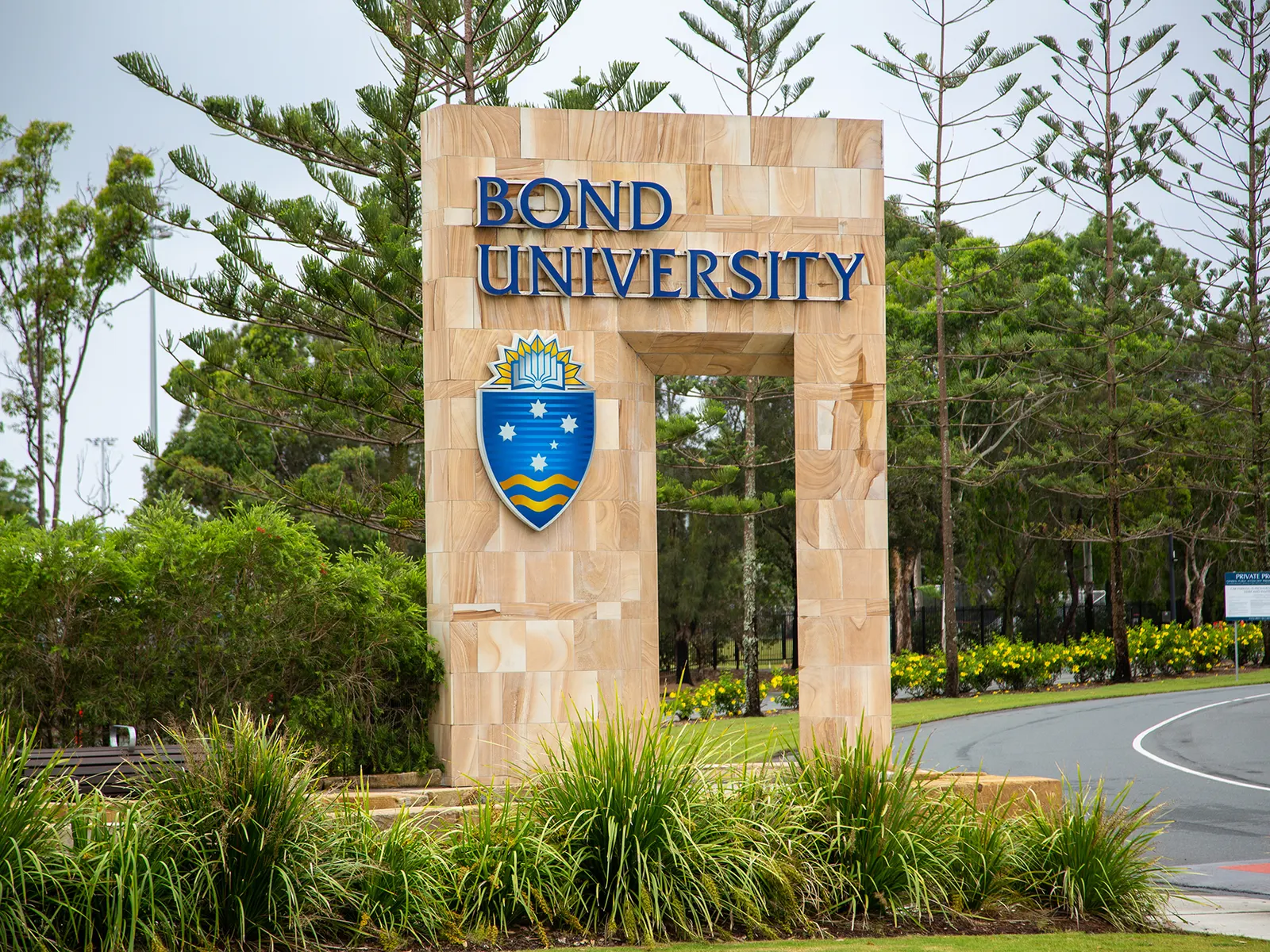
Bond University is Australia’s first private non-profit university. It was established in 1987, admitted its first students in 1989, and operates from a campus at Robina on the Gold Coast. It runs three semesters each year rather than two, which compresses the academic calendar and affects how complaints and inquiries arrive in waves.
The university is smaller than Australia’s large public institutions, and that changes the role. In a compact university, an executive officer in complaints and inquiries may work directly with senior staff, see matters through from start to finish, and have more influence over process improvements than they would in a larger bureaucracy.
For more context on the institution, see Bond University’s official about page.

Four moves this week
If this role fits your experience, don’t sit on it. University hiring processes move slowly once they start, but strong candidates prepare fast.
- Open the official job listing and download the position description today
- Map your last three case management examples to the selection criteria before you write anything
- Check the AcademicJobs listing for any additional application notes or questions other candidates have raised
- Set a reminder to submit at least two days before the closing date, because university portals get busy and late submissions are rarely accepted
The single action to take this week: open the position description and highlight the verbs. If you see words like triage, coordinate, investigate, advise and report, build your application around those verbs. That’s how the panel will read it.