
What the role actually asks of you
You don't need acting experience for this, and you don't need a health background. Bond University is recruiting First Nations people as simulated participants, and the advertisement lists multiple positions rather than one. If the job title means nothing to you yet, the short version is this: health students need a real person to practise on before they ever sit opposite a real patient. That person is you.
A simulated participant — the role also goes by simulated patient or standardised patient in some programs — portrays a patient or a family member, sometimes a client in a community scenario, inside a structured training exercise. You get a backstory and a set of presenting concerns. You hold the character while a student interviews or examines you. Then you step out of role and tell the student what the experience felt like from the patient's side of the desk. The feedback, not the acting, is the point.
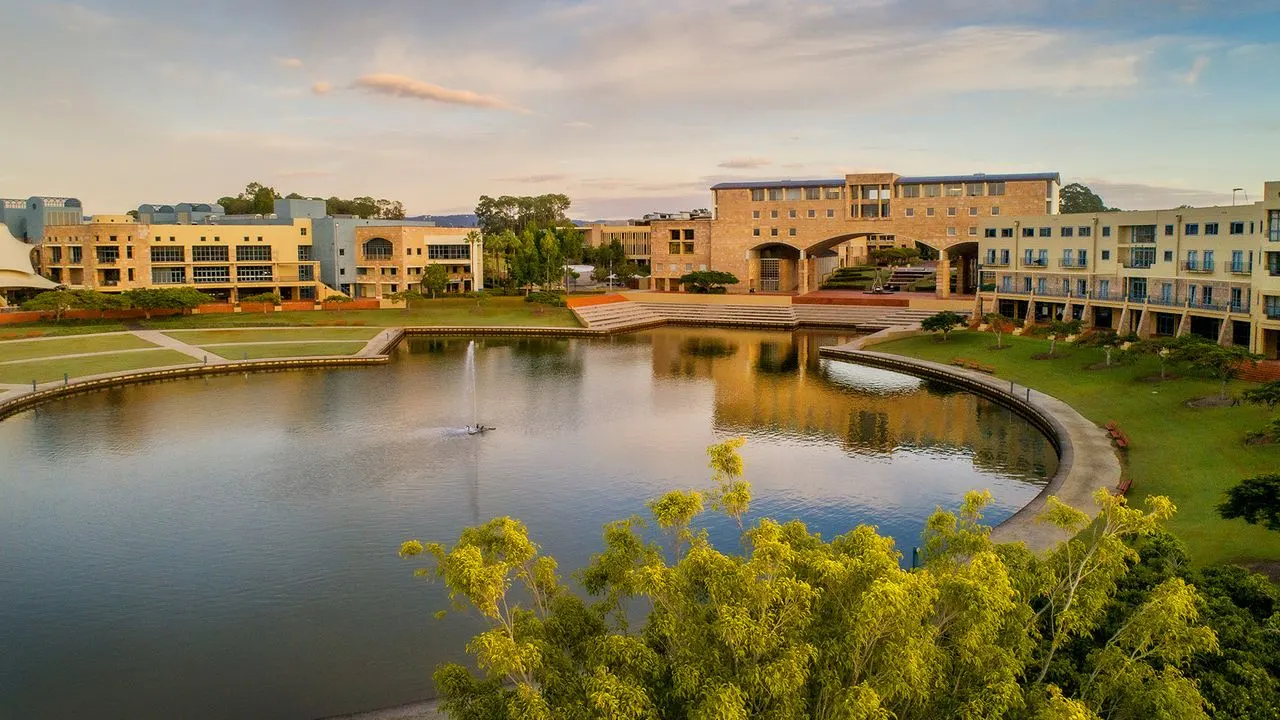
The work supports Bond's health and medical programs on the Gold Coast, where students build clinical communication in a controlled setting before they're trusted with genuine consultations. You don't need a teaching qualification either. What you need is the ability to remember a character's details, stay in role while a nervous student finds their feet, and speak honestly afterwards about how the encounter landed.
Why the role is designated for First Nations people
The positions are open to Aboriginal and Torres Strait Islander people because the lived experience is the credential. When a health professional sits down with a First Nations patient, the way that conversation unfolds can shape the diagnosis, the treatment plan, and whether the patient ever walks back through the door.
The national picture explains the stakes. Australian Institute of Health and Welfare reporting has long shown a life-expectancy gap of roughly eight years between Indigenous and non-Indigenous Australians, alongside a heavier overall burden of disease. A meaningful share of that gap connects to care that didn't feel safe, and to practitioners who never learned how to ask the right questions in a way that respects family, community, and silence.
Cultural safety is not a checklist. It's the capacity to sit with silence and to ask about family without making assumptions. It's noticing when a patient has stopped talking and working out, in the moment, how to earn the rest of the story. A First Nations simulated participant makes that capacity teachable because the student is standing in front of someone who can say, from experience, whether the approach landed.
What a shift actually looks like
The people who do this work well come from everywhere: parents, retirees, artists, community workers, students in unrelated fields. What they share is a willingness to stay in character and an honest, direct style of feedback.
In a typical booking you're briefed on the scenario before the learners arrive. You memorise the character's details — their name, their worries, what they're willing to reveal, what they're withholding. Then students take turns interviewing or examining you while a facilitator observes. A scenario might ask a student to explain a new medication to a patient whose family has told them the clinic doesn't listen properly. The student has to check your understanding, find out who makes health decisions at home, and adjust when you signal discomfort.
After each encounter you give structured feedback: what helped, what you felt while it was happening, and one thing worth changing next time. The university trains you in the method before your first session, and the field has decades of guidance behind it. The Association of Standardized Patient Educators sets standards for this kind of work internationally, covering everything from role portrayal to how feedback should be delivered.
The difference between a script and a real conversation
The scenarios look simple, and that's deliberate. A student who can't hold eye contact while asking about your medication won't improve under pressure in a busy clinic. A student who cuts you off when you start explaining what the doctor told your sister will cut off the next patient too. Your job is to notice that moment and name it in the feedback.
For First Nations learners and non-Indigenous learners alike, practising with a First Nations simulated participant changes the room. It takes cultural communication out of the abstract and attaches it to a face with a name, to a voice with a set of reactions. The feedback carries weight because it comes from someone who occupies the patient role by design, not by accident.
Pay, hours, and what the advertisement says
The official advertisement sits on Bond University's jobs portal, and that's where you'll find the current rate and the closing date, plus whatever documentation the university asks for before it shortlists you. Read that page before you apply, because the specifics change with each intake.
Shift-based casual work like this is booked around teaching timetables, which suits people who need flexibility or who are fitting the role around community obligations, study, or caregiving. If you're selected, expect training before your first booking and a briefing before each scenario. You'll also be expected to respect confidentiality; what happens in a teaching session stays there, including the student feedback you observed.
No one should apply blind. Check the advertised role on Bond University's site for the version that applies today, then make your call.
Why one casual role matters beyond the campus
The health workforce in Australia still looks nothing like the communities it serves. Aboriginal and Torres Strait Islander people remain significantly underrepresented among doctors, nurses, and allied health practitioners, even as demand for culturally safe care keeps climbing. Every student who learns to hold a difficult conversation now carries that skill into their first hospital placement and their first independent consultation.
Simulated-participant programs are one of the few places where cultural capability can be rehearsed without risk to a real patient, and where the feedback comes from someone with the authority of lived experience. The National Aboriginal Community Controlled Health Organisation has argued consistently that Aboriginal health belongs in Aboriginal hands, and that non-Indigenous practitioners have an obligation to learn how to work respectfully alongside those services. A simulated participant can't fix the system. What the role does is make sure the next cohort of practitioners has already held the awkward, necessary conversations in a room where feedback is welcome.
Australian Institute of Health and Welfare data keeps the stakes visible: the life-expectancy gap sits at roughly eight years, and conditions that are entirely manageable with early, trusted primary care still account for too much of that difference.

Get your application in this week
Here's the practical path. The full listing also appears on the AcademicJobs.com board, where you can compare it against other advertised roles if you're weighing options.
- Confirm you meet the eligibility requirement: the role is designated for Aboriginal and Torres Strait Islander applicants.
- Read the position description end to end, including availability expectations and the campus location.
- Prepare a short expression of interest that states plainly who you are, why you're interested, and any community or communication experience you'd bring.
- Submit through Bond University's application form before the closing date.
Roles like these don't sit empty for long. When the right person steps forward with lived experience and a willingness to speak plainly, the panel tends to notice quickly. Take the one practical step this week: open the advertisement, check the closing date, and book the half-hour it takes to apply properly.



Discussion
Be the first to comment on this article!
You’ll be asked to sign in before your comment is posted.