
James Cook University Invites Applications for Knowledge Broker Role in Drought Resilience Hub
James Cook University (JCU) is actively recruiting a Knowledge Broker to support the Tropical North Queensland Drought Resilience Adoption and Innovation Hub, known as the TNQ Drought Hub. This fixed-term position, based in Townsville with options for Cairns or hybrid arrangements, represents a significant opportunity for professionals passionate about translating academic research into practical solutions for regional communities facing climate challenges.
The role, classified at Academic Level C with a salary range of $137,166 to $157,465 per annum plus up to 17% superannuation, runs until 30 June 2027. It focuses on bridging the gap between cutting-edge research and on-ground application, helping farmers, Indigenous landholders, and communities build long-term resilience to drought in one of Australia's most unique agricultural regions.
Context of Drought in Tropical North Queensland Agriculture
Tropical North Queensland encompasses diverse agricultural sectors including beef cattle, sugarcane, horticulture, dairy, citrus, and tropical fruits. These industries form the backbone of local economies but remain highly vulnerable to variable rainfall patterns and prolonged dry periods. Drought in this region often manifests not only as absolute water shortages but also through shifts in seasonal distribution, increased evaporation rates, and compounding effects from heat stress on livestock and crops.
Producers across the Wet Tropics and surrounding areas have experienced firsthand how reduced soil moisture, altered flowering and fruiting cycles, and heightened risks of pests and diseases can erode productivity and profitability. Beyond economic losses, drought places significant strain on community wellbeing, mental health, and social cohesion in rural towns. The TNQ Drought Hub addresses these interconnected challenges by fostering collaborative approaches that draw on both scientific innovation and traditional knowledge held by First Nations custodians.
The National Drought Resilience Hubs Program Under the Future Drought Fund
The TNQ Drought Hub operates as one of eight regional hubs established through the Australian Government's Future Drought Fund. This multi-billion-dollar initiative supports research, development, extension, adoption, and commercialisation activities aimed at enhancing preparedness for future droughts. The hubs adopt a hub-and-spoke model, connecting a central university-led team with local natural resource management organisations and industry partners to deliver tailored support across wide geographic areas.
Each hub maintains a dedicated Knowledge Broker who facilitates the flow of information between researchers, policymakers, agribusinesses, and land managers. This structure ensures that evidence-based practices reach those who need them most, while local insights inform ongoing research priorities. Recent expansions of the program have included additional funding for adoption officers and collaborative projects that demonstrate tangible outcomes within short timeframes.
More details on the national program are available on the Department of Agriculture, Fisheries and Forestry website.
James Cook University's Central Role in Leading the TNQ Hub
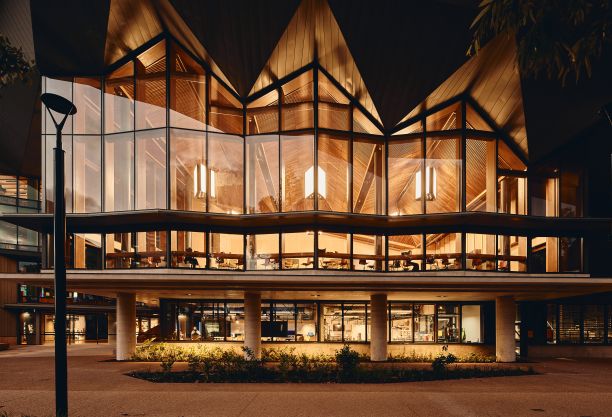
JCU leads the TNQ Drought Hub from its Ideas Lab in Cairns, working closely with six natural resource management groups across the region. The university's deep expertise in tropical agriculture, environmental science, and Indigenous engagement positions it ideally to drive place-based solutions. Activities span transformational agricultural systems, innovation and commercialisation, human capacity building, and sustainable enterprise development for Aboriginal and Torres Strait Islander communities.
By embedding research within real-world contexts, JCU strengthens its mission of creating brighter futures for life in the tropics. The hub's vision emphasises an innovative, profitable, and sustainable agricultural sector alongside resourceful and adaptable communities. This aligns closely with broader university goals of impactful research that addresses pressing regional and global issues such as climate adaptation.
Defining the Knowledge Broker Position and Its Strategic Importance
A Knowledge Broker serves as a vital intermediary who identifies knowledge gaps, translates complex research findings into accessible formats, and builds capacity for evidence-informed decision-making. In the context of the TNQ Drought Hub, this involves coordinating resources across hub nodes, fostering relationships between end-users and researchers, and supporting the co-design of solutions with stakeholders including farmers, supply chain businesses, and Traditional Owners.
Key responsibilities include leading knowledge management and communications, facilitating links across sectors, and aiding the interpretation and application of research evidence in local policy and practice. Candidates ideally bring postgraduate qualifications or equivalent experience in agriculture, natural resource management, or related fields, along with proven skills in applied research extension and stakeholder engagement. The position demands strong leadership in managing diverse teams and navigating organisational and cultural change.
Current Projects and Collaborative Activities Driving Resilience
The TNQ Drought Hub has rolled out numerous practical initiatives that exemplify effective knowledge exchange. These include hands-on irrigation workshops helping producers optimise whole-system decision-making, flood-mapping sessions equipping sugarcane growers with localised data for disaster preparedness, and symposia exploring enhanced rock weathering as an emerging soil amendment technology.
Other efforts focus on soil health through the national Regional Soil Coordinators network, ESG frameworks to support sustainability reporting and risk management, and tools like AgValuate—an innovation readiness assessment designed specifically for farmers to evaluate their adoption journey. Events such as the GrowHer program inspire the next generation of women in agriculture, while think tanks strengthen collaboration around reef extension and horticulture supply chains.
These activities demonstrate the hub's commitment to co-design, ensuring solutions reflect the unique climatic, cultural, and economic realities of Tropical North Queensland.
Educational Opportunities and Capacity Building Through the Hub
Beyond direct farmer support, the TNQ Drought Hub invests in developing future leaders via initiatives like the TNQ Drought Hub Honours Scholarships. These awards, valued at up to $5,000, enable students at JCU and partner institutions to pursue research on climate and drought resilience topics. Such programs integrate higher education directly with regional needs, preparing graduates for careers in agricultural innovation, extension services, and environmental management.
Workshops and training sessions also upskill existing professionals in areas like entrepreneurship, commercialisation, and the use of decision-support tools. This educational dimension underscores the hub's role in building long-term human capacity alongside immediate resilience measures.
Perspectives from Stakeholders and Demonstrated Impacts
Farmers and community members involved with the hub report greater confidence in adopting new practices, from improved water management to diversified land uses. Indigenous partners contribute traditional ecological knowledge that enhances the cultural relevance and effectiveness of resilience strategies. Researchers benefit from clearer pathways to impact, seeing their work applied in real paddocks and communities.
Early outcomes include strengthened networks among producers, better-informed investment decisions, and pilot projects that test transformational approaches under local conditions. These successes highlight the value of university-led hubs in delivering measurable benefits while fostering trust and collaboration across sectors.
Navigating Challenges in Knowledge Translation for Drought Resilience
Effective knowledge brokering requires overcoming barriers such as differing priorities between researchers and practitioners, varying levels of digital literacy among rural stakeholders, and the need to respect cultural protocols when engaging with First Nations communities. The TNQ Drought Hub addresses these through flexible delivery models, ongoing co-design processes, and a focus on building enduring relationships rather than one-off interventions.
Climate variability adds another layer of complexity, demanding adaptive strategies that evolve with new data and experiences. The hub's emphasis on monitoring, evaluation, and continuous learning supports this dynamic environment.
Looking Ahead: The Future of University-Led Resilience Initiatives
As the Future Drought Fund program undergoes review and transition, hubs like the TNQ Drought Hub continue to demonstrate the pivotal role of higher education institutions in regional development. The upcoming competitive grant round for the next phase signals sustained national commitment to these collaborative models through to 2032 and beyond.
For JCU, the Knowledge Broker position offers a platform to further embed the university as a trusted partner in agricultural transformation. Successful applicants will contribute to shaping resilient futures while advancing their own careers in a supportive academic environment known for its tropical focus and community impact.
Next Steps for Interested Candidates and the Broader Community
Applications for the Knowledge Broker role close on 23 July 2026. Prospective applicants are encouraged to review the full position description and submit a resume along with a cover letter detailing relevant experience. For confidential enquiries, contact the current Knowledge Broker at the hub.
Those already working in related fields can engage with the TNQ Drought Hub through its website, upcoming events, or partnership opportunities. Whether as a researcher, producer, or community member, involvement helps strengthen the collective effort toward drought-resilient landscapes and livelihoods in Tropical North Queensland.



Discussion
Be the first to comment on this article!
You’ll be asked to sign in before your comment is posted.