

A groundbreaking collaboration between RMIT University, Deakin University, and Western Sydney University (WSU) has spotlighted an unexpected resource in wildlife research: roadkill carcasses. Published in the prestigious Biology Letters journal on January 28, 2026, the study titled "Roadkill reimagined: a review of innovative scientific use and value of animals killed by vehicular traffic" reveals how these tragic road fatalities can serve as an ethical alternative to live animal capture in many scientific contexts. Led by Dr. Christa Beckmann from RMIT's School of Science, the research synthesizes 312 peer-reviewed studies across 67 countries, uncovering 26 broad and 91 specific applications for roadkill specimens.
This innovation addresses a pressing need in wildlife science, where ethical constraints often limit invasive sampling methods. By repurposing animals already deceased from vehicle collisions, researchers can advance knowledge on species distributions, disease monitoring, and ecology without subjecting live wildlife to stress, injury, or mortality risks associated with trapping. The findings resonate strongly in Australia, where roads claim an estimated 10 million native animals annually, turning a conservation crisis into a potential scientific boon.
Collaborative Effort from Leading Australian Universities
The study exemplifies interdisciplinary teamwork among Australia's top higher education institutions. Dr. Christa Beckmann, affiliated with RMIT, WSU, and Deakin, spearheaded the effort alongside co-authors Michael R. Crossland from WSU, Kaileigh T. Wright from Trent University in Canada, and Peter A. Biro from Deakin. This multi-institutional approach pooled expertise in ecology, animal ethics, and data analysis, highlighting how university partnerships drive impactful research.
RMIT's focus on applied science, Deakin's strength in environmental studies, and WSU's wildlife expertise created a synergistic review that not only catalogs global practices but also advocates for greater adoption Down Under. "While roadkill will always be tragic, using these losses wisely could help drive scientific discovery and conservation forward," Beckmann noted, underscoring the universities' commitment to ethical innovation.
Such collaborations are vital for aspiring researchers. Opportunities abound in higher ed research jobs at these institutions, where projects like this blend fieldwork with rigorous analysis.
The Alarming Scale of Roadkill in Australia
Australia's vast road network intersects critical wildlife habitats, resulting in staggering mortality rates. Estimates suggest 10 million native mammals, birds, reptiles, and amphibians perish on roads yearly, with some sources citing up to four million mammals alone. This 'hidden road toll' disproportionately affects vulnerable species like quokkas, koalas, and carpet pythons, as illustrated by a Northern Territory specimen featured in the study.

These figures underscore the urgency: rather than decomposing roadside, these carcasses hold untapped value. Initiatives like the Australian Roadkill Reporting Project already map hotspots via citizen science, feeding into databases that inform mitigation and research.
For more on environmental careers, explore advice for research assistants in Australia.
Key Findings: 117 Diverse Scientific Applications
The review meticulously categorized roadkill's utility, identifying 26 broad uses—from anatomy and body condition assessments to genetics and teaching aids—and 91 specific ones. Mammals featured in 75% of studies (282 species), followed by reptiles (149 species), birds (137), amphibians (60), and invertebrates (17).
- Species presence/distribution: Most common, with 38 studies mapping rare or extinct populations.
- Parasites and pathogens: 67 papers evaluated prevalence using non-invasive sampling.
- Diet analysis: Stomach contents revealed foraging habits without live dissection.
- Museum specimens: 9 studies contributed to collections, preserving biodiversity records.
- Contaminants/pollution: Tissues tested for heavy metals and toxins.
These applications span ecology, epidemiology, and conservation genetics, proving roadkill's versatility.Read the full study here.
Real-World Examples of Roadkill in Action
Global cases abound: roadkill has tracked invasive cane toads in Australia, detected chytrid fungus in amphibians, and supplied fox scats for diet studies. In one instance, badger carcasses revealed tuberculosis spread; another used deer roadkill as bait to observe eagle behavior.
Australian researchers have leveraged local roadkill for genetic barcoding of snakes and monitoring pollutants in urban possums. Museums like those at RMIT and Deakin benefit from preserved specimens, enhancing teaching collections. "Roadkill has helped locate populations thought to be extinct," Beckmann highlighted.

Learn about research jobs advancing such innovations.

Photo by Karsten Winegeart on Unsplash
Ethical Advantages: Aligning with the 3Rs Principle
The study's core innovation lies in ethics. Live capture often involves traps causing injury or stress, requiring costly approvals. Roadkill sidesteps this: animals are opportunistically sourced, minimizing harm and aligning with the 3Rs (Replacement, Reduction, Refinement) of animal research.
"Researchers can often avoid live capture and handling," Beckmann explained, noting faster permitting for deceased specimens. This is particularly valuable for threatened species, where live sampling is restricted. In Australia, where ethics committees scrutinize wildlife protocols, roadkill offers a compliant pathway.RMIT news release.
Challenges and Best Practices for Roadkill Sampling
Despite benefits, limitations persist: non-random sampling biases toward road-crossing individuals; decomposition degrades DNA or tissues; scavengers alter bodies. Recommendations include diverse road sampling, rapid collection (ideally at night), protective gear, and bias acknowledgment in publications.
- Process step-by-step: Stop safely, photograph in situ, collect fresh samples (liver for genetics, stomach for diet).
- Store frozen or preserved; return remains to ecosystems.
- Collaborate with apps like Roadkill Reporter for hotspots.
Universities like WSU train students in these protocols via field courses.
Boosting Conservation and Biodiversity Monitoring
Roadkill data informs hotspot mitigation—fencing, underpasses—while specimens track population genetics and health. In Australia, it aids koala decline studies and invasive species surveillance. Museums gain irreplaceable records amid climate change.Australian Roadkill Reporting Project.
This positions Australian unis as leaders in sustainable wildlife science.
Educational Impact: From Classrooms to Museums
Roadkill supplies teaching tools: dissections, 3D scans, fossilization demos. Universities preserve specimens for osteology classes, reducing live animal needs. RMIT and Deakin examples include python skulls for anatomy.
Explore research assistant jobs in ecology at Australian universities.
Future Outlook: Scaling Up Roadkill Utilization
The authors call for standardized protocols, databases, and public reporting apps. With rising vehicle miles, roadkill volumes grow—future tech like drones could aid collection. Australian unis plan expanded programs, potentially influencing policy.
Beckmann envisions: "A wake-up call to better utilize roadkill."
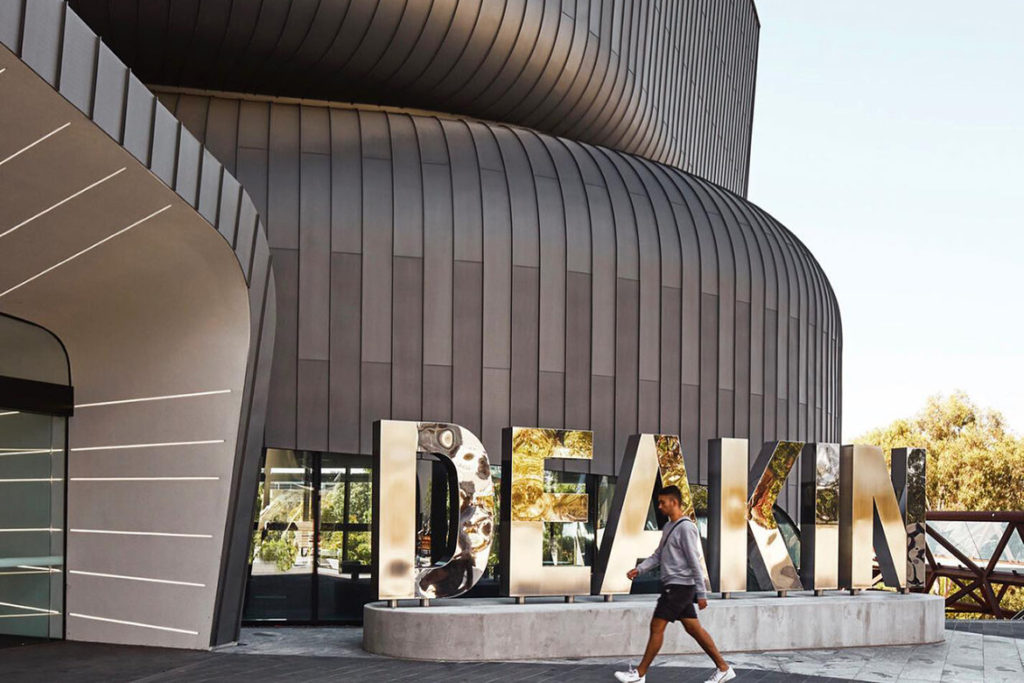
Photo by Deakin University on Unsplash
Career Opportunities in Wildlife Research Innovation
This study opens doors for ecologists, geneticists, and ethicists. RMIT, Deakin, and WSU seek postdocs and lecturers in wildlife science. Check higher ed jobs, university jobs, and higher ed career advice for roles. Rate My Professor for insights on supervisors. Institutions like these offer pathways from PhD to faculty via projects like this.
.webp)



Discussion
Be the first to comment on this article!
You’ll be asked to sign in before your comment is posted.