
Promote Your Research… Share it Worldwide
Have a story or a research paper to share? Become a contributor and publish your work on AcademicJobs.com.
Submit your Research - Make it Global NewsDiscovering the Vital Role in Clinical Education Support
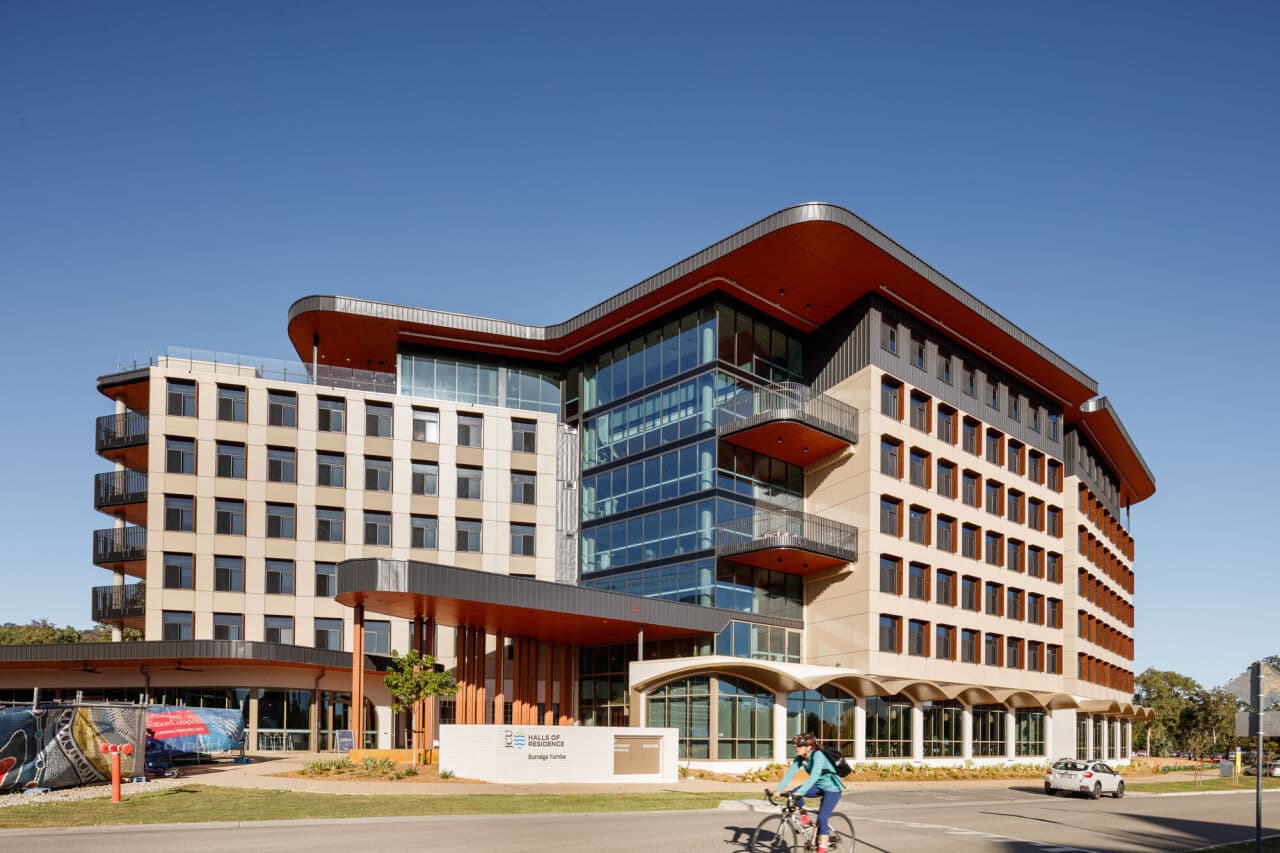
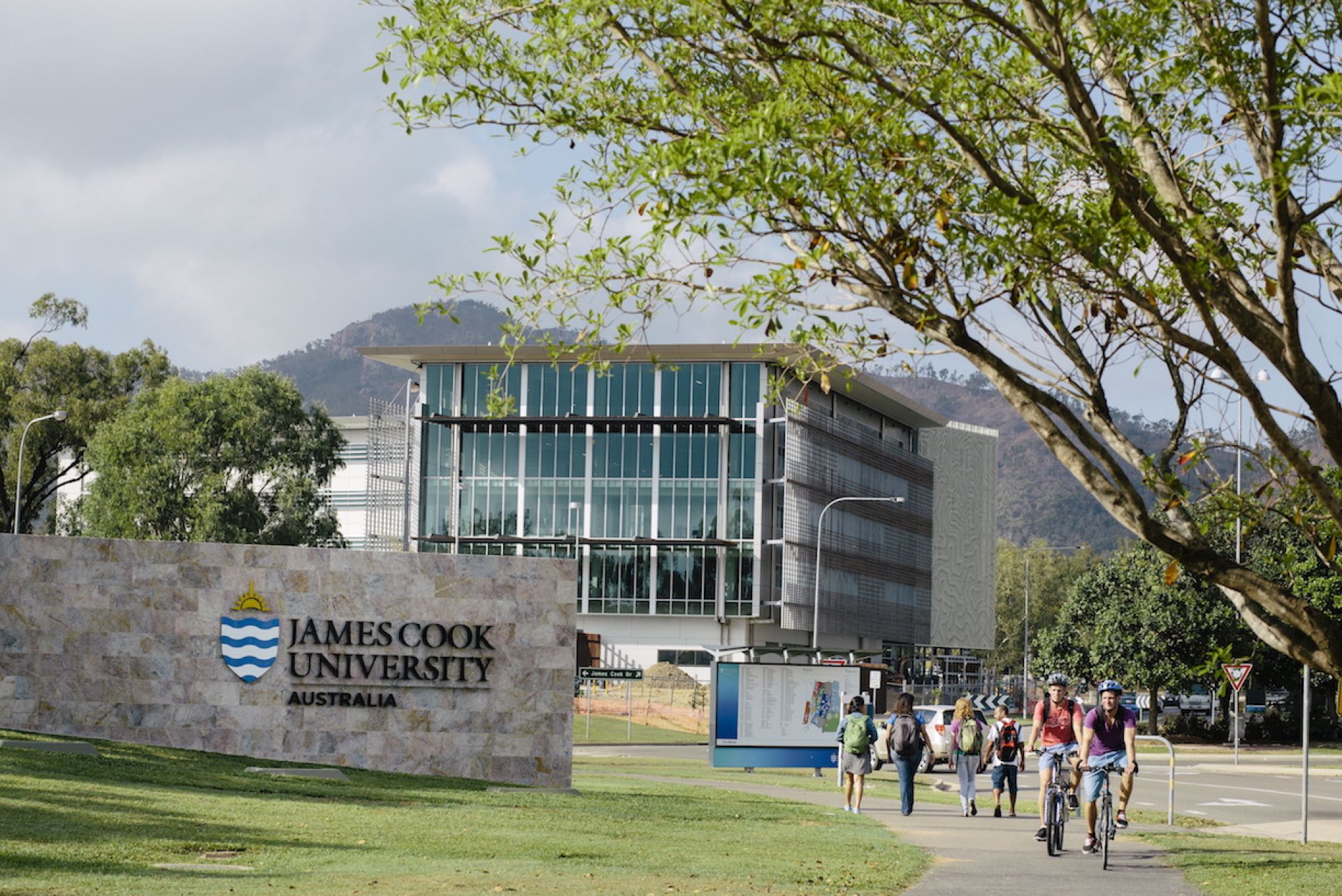
James Cook University in Townsville, Queensland, is actively seeking a dedicated Laboratory and Technical Support Officer to bolster its Clinical Sciences team. This full-time, fixed-term position until late August 2026 offers a unique chance to contribute directly to undergraduate teaching in medicine and healthcare sciences. Nestled at the Bebegu Yumba campus, known as the 'place of learning' in the local Birri-Gubba language, the role emphasizes hands-on preparation and maintenance of clinical simulation equipment, ensuring seamless delivery of practical sessions for aspiring health professionals.
The university's commitment to addressing health workforce shortages in northern Australia makes this position particularly impactful. With a focus on tropical and rural health challenges, JCU produces graduates who predominantly stay in regional areas, serving communities that need them most. This opportunity aligns perfectly with the growing demand for skilled technical support in higher education settings where simulation-based learning is revolutionizing medical training.
James Cook University: A Leader in Tropical Health Education
Established as Queensland's second-oldest university, James Cook University stands out for its specialization in issues pertinent to northern Australia and the tropics. The College of Medicine and Dentistry, which houses the Clinical Sciences team, leads nationally in preparing work-ready graduates for regional, rural, and remote practice. Over 41 percent of its health alumni work in outer regional Queensland, while 67 percent of medicine graduates remain in northern Queensland post-graduation.
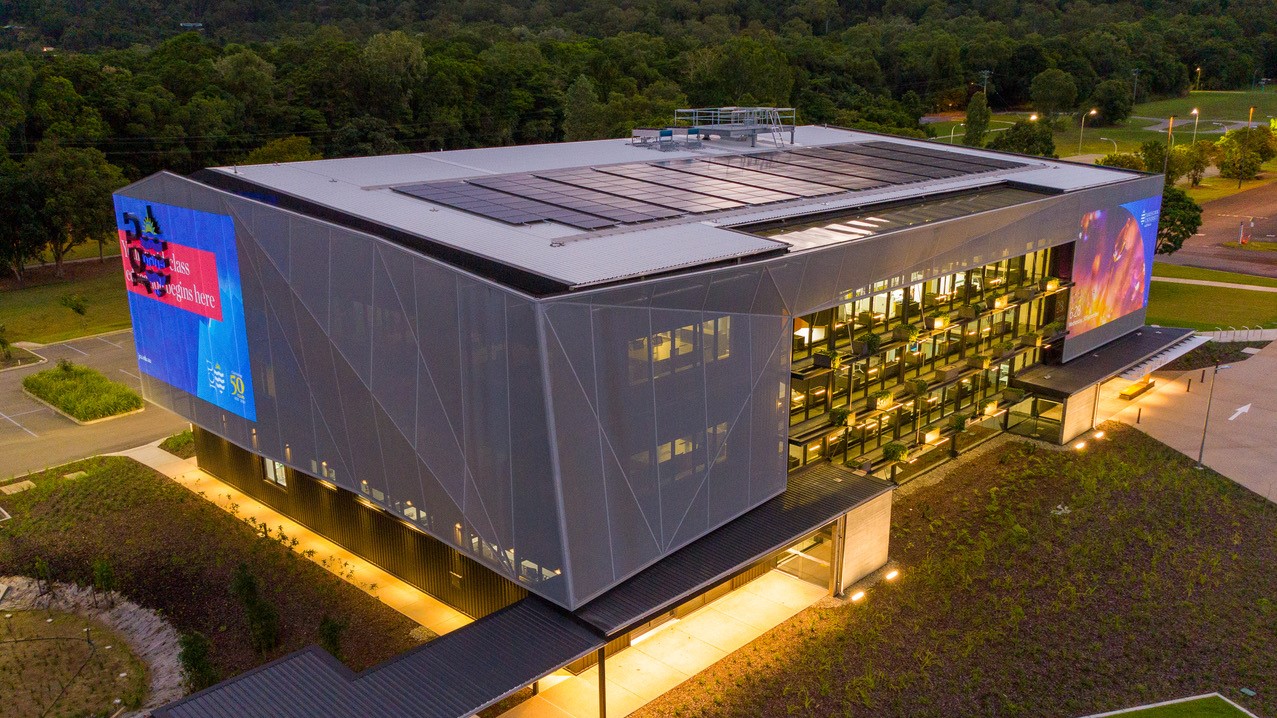
The Bebegu Yumba campus in Douglas, Townsville, features state-of-the-art facilities including the Clinical Practice Building and the newly established NQ Spark simulation centre. This $32.2 million advanced training hub positions the region as a national leader in simulation-based medical education, research, and testing. High-fidelity manikins and medical instruments used in undergraduate labs replicate real-world scenarios, from emergency procedures to routine diagnostics, preparing students for diverse clinical environments.
JCU's emphasis on socially accountable education extends to partnerships like the Northern Queensland Regional Training Hubs, fostering integrated career pathways for junior doctors and enhancing local healthcare access.
Core Responsibilities Shaping Student Success
In this role, you'll deliver high-quality technical support for laboratory-based teaching activities. This involves meticulously preparing, maintaining, and cleaning medical instruments, manikins, and associated equipment to guarantee readiness for every clinical session. Imagine setting up a simulated operating theatre or troubleshooting a high-fidelity patient simulator moments before a group of medical students arrives—that's the daily rhythm.
Safety is paramount: you'll uphold Workplace Health and Safety legislation, hygiene standards, and university protocols. This includes risk mitigation through proper cleaning, waste disposal, and equipment servicing. You'll also guide staff and students on lab procedures, technical policies, and legislation, fostering a culture of informed practice. Continuous improvement comes via reviewing session outcomes, gathering feedback, and contributing to service enhancements.
- Prepare simulation setups for medicine and healthcare sciences classes
- Maintain equipment inventory and perform routine servicing
- Ensure compliance with WHS and infection control standards
- Support troubleshooting during high-volume teaching periods
- Collaborate on feedback loops for lab improvements
Essential Qualifications and Experience Demanded
Candidates need demonstrated experience with clinical and simulation equipment in health professional education. This means hands-on knowledge of preparation, operation, and troubleshooting—from basic manikins to advanced simulators mimicking vital signs and responses. A strong grasp of Workplace Health and Safety principles is non-negotiable, applied effectively in lab or clinical teaching settings.
Well-developed analytical and problem-solving skills help manage shifting priorities and deadlines in a fast-paced environment. Effective communication—written, verbal, and interpersonal—is key for customer-focused service and relationship-building with diverse stakeholders. Proven teamwork and independent work capabilities, plus proficiency in Microsoft Office and adaptability to new software, round out the profile.
Special conditions include holding a current First Aid Certificate, C-Class Queensland driver's license, Working with Children Blue Card, and readiness for manual handling tasks. These ensure you're equipped for the dynamic, student-centered world of university clinical labs. For full details, visit the official JCU careers page.

Competitive Compensation and Employment Terms
At Higher Education Worker Level 5 (HEWL 5), the salary spans $78,740 to $89,310 annually, plus up to 17 percent employer superannuation contributions. This positions it competitively within Australian university technical roles, where similar laboratory support positions average around $77,000 to $90,000 depending on experience and location.
The 36.25-hour workweek offers balance in a full-time fixed-term contract, ideal for professionals seeking stability until late 2026 with potential extensions based on university needs. Benefits typical of JCU include professional development opportunities, aligning with the sector's growth in healthcare support roles amid Australia's expanding health workforce demands.
Life at Bebegu Yumba Campus and Townsville
Townsville's tropical lifestyle complements academic pursuits, with its beaches, Magnetic Island proximity, and vibrant community appealing to university staff. The Bebegu Yumba campus buzzes with modern amenities, including libraries, sports facilities, and health services like JCU Health General Practice right on-site.
For staff, on-campus living options provide convenience, while the city's affordability—lower housing costs than southern capitals—enhances appeal. Proximity to Townsville University Hospital facilitates real-world exposure, enriching the technical support role. Recent developments like the Engineering and Innovation Place and NQ Spark underscore JCU's investment in cutting-edge facilities.

The Growing Importance of Technical Support in Health Education
Simulation-based learning has transformed health professional training, with technical officers like this role pivotal in its success. In Australian universities, these positions ensure labs mirror clinical realities, boosting student competency and retention in underserved areas. JCU's focus on tropical health amplifies this, addressing unique challenges like peripheral vascular disease and trauma care.
Industry trends show surging demand: healthcare support jobs lead employment growth to 2035, driven by aging populations and tech integration. Universities increasingly rely on skilled technicians for high-fidelity setups, infection control, and WHS compliance amid rising student numbers. Explore more on JCU's simulation advancements via the College of Medicine and Dentistry page.
Career Pathways and Progression Opportunities
This role serves as a launchpad for technical careers in higher education. Many advance to senior technical officer positions, lab managers, or specialized simulation coordinators. With JCU's research emphasis, opportunities arise in supporting grants and projects, potentially leading to postgraduate study.
Average career progression sees salaries climb to $100,000+ in senior roles, with pathways into research support or health tech innovation. Networking via university committees and NQRTH hubs enhances prospects, especially in regional Australia where demand outpaces supply.
- Entry to mid-level technical support
- Specialization in simulation or WHS
- Management of lab teams
- Transition to research technical roles
- Further education via JCU programs
Navigating the Application Process Effectively
Applications close May 18, 2026, at 11:55 PM AEST. Submit via JCU's careers portal: complete the form, upload your resume, and a cover letter addressing key selection criteria. Tailor your response to highlight clinical equipment experience, WHS knowledge, and problem-solving examples.
Contact Mitch Russell at mitch.russell@jcu.edu.au for queries (Job Ref: 495095). Prepare for potential interviews focusing on scenario-based questions, like handling equipment failures during sessions. Success hinges on demonstrating passion for education support and regional commitment. Also check the listing on AcademicJobs.com for aggregated opportunities.
Future Outlook for Lab Support in Australian Higher Ed
As universities digitize training with VR and AI simulations, technical roles evolve, demanding adaptability alongside core skills. JCU's NQ Spark initiative heralds expanded facilities, promising more positions. Nationally, healthcare technical jobs grow 12-15 percent by 2030, with universities prioritizing regional talent.
This JCU vacancy exemplifies the sector's vitality, offering meaningful impact on future doctors and nurses tackling tropical health frontiers.


Be the first to comment on this article!
Please keep comments respectful and on-topic.