
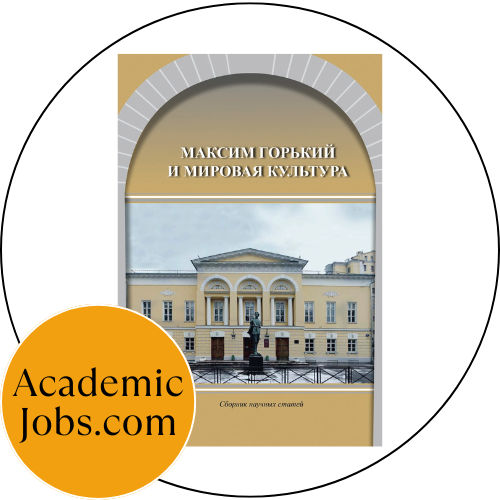
MGIL Logo

Maxim Gorky Institute of Literature Jobs & Careers

Why work at Maxim Gorky Institute of Literature?

Maxim Gorky Institute of Literature Jobs & Information

Overview of Maxim Gorky Institute of Literature

The Maxim Gorky Institute of Literature (MGIL), located in the heart of Moscow, Russia, stands as a cornerstone of higher education in the field of literary arts. Founded in 1933 and named after the renowned Russian writer Maxim Gorky, this institute has nurtured generations of poets, novelists, playwrights, and literary scholars. As a specialized university under the Russian Ministry of Science and Higher Education, MGIL offers unique training programs that blend creative practice with academic rigor, making it an attractive destination for jobs at Maxim Gorky Institute of Literature.

MGIL's mission focuses on cultivating literary talent through intensive workshops, seminars, and mentorship by established authors. Its programs emphasize Russian literary traditions while incorporating global perspectives, preparing students for careers in writing, academia, publishing, and cultural institutions. For those seeking higher ed jobs in literature, MGIL represents a prestigious opportunity to contribute to one of Europe's most storied literary hubs.

History and Legacy

Established during the Soviet era, MGIL emerged as a response to the need for professional literary training amid rapid cultural development. Maxim Gorky himself advocated for its creation, envisioning a space where aspiring writers could hone their craft under expert guidance. Over the decades, the institute has evolved, surviving political upheavals and adapting to post-Soviet realities. Today, it boasts alumni like Nobel laureate Svetlana Alexievich and poets such as Joseph Brodsky, underscoring its influence on world literature.

Key milestones include expansions in the 1960s to include screenwriting and translation departments, and modern initiatives integrating digital humanities. This rich history informs jobs at MGIL, where faculty often draw on archival resources and historical context in their teaching.

Academic Programs and Departments

MGIL offers bachelor's, master's, and doctoral programs across departments like Poetry, Prose Fiction, Literary Translation, Criticism and Literary Theory, Dramaturgy, and Screenwriting. Students engage in small-group seminars where they critique peers' work and receive feedback from faculty. The PhD program emphasizes original research in philology (the study of language in literary texts) and creative dissertations.

These programs create demand for specialized faculty, with jobs focusing on mentoring emerging writers. Explore university job types for insights into lecturer and professor roles common here.

Career Opportunities: Jobs at Maxim Gorky Institute of Literature

📊 Positions at MGIL span teaching, research, and administration. Common roles include:

  • Lecturers in Poetry or Prose, guiding workshops.
  • Professors of Literary Theory, leading advanced seminars.
  • Research Associates in Russian Literature archives.
  • Administrative roles like Department Heads or Dean of Faculty.

Check lecturer jobs and professor jobs listings for similar opportunities. With Moscow's thriving publishing scene, MGIL faculty often collaborate on literary projects, enhancing career prospects.

Required Academic Qualifications

To secure faculty jobs at MGIL, candidates typically need a PhD (Candidate of Sciences in Russia) in philology, comparative literature, or creative writing. For lecturer positions, a master's degree with proven teaching experience suffices. Russian language proficiency is essential, though English is valued for international programs. These qualifications ensure instructors can handle rigorous curricula rooted in classical and contemporary texts.

Research Focus and Expertise Needed

🔬 MGIL prioritizes research in Russian modernism, postmodernism, poetics, and translation studies. Expertise in authors like Pushkin, Tolstoy, or contemporary figures like Pelevin is advantageous. Faculty are expected to publish in peer-reviewed journals and contribute to conferences, aligning with Russia's emphasis on scholarly output in higher education.

Preferred Experience

Successful applicants often have 5+ years of teaching, multiple book publications, or grants from bodies like the Russian Humanitarian Scientific Fund. Experience mentoring published authors or editing literary magazines strengthens applications. For postdoc jobs, prior research fellowships are key.

Skills and Competencies

Essential skills include exceptional writing ability, critical analysis, and workshop facilitation. Competencies in digital tools for literary analysis and cross-cultural communication are increasingly valued. Soft skills like mentoring diverse talents foster MGIL's collaborative environment.

Definitions

Key terms for jobs at MGIL:

  • Philology: The study of language through texts, focusing on historical and literary contexts.
  • Dramaturgy: The theory and practice of dramatic composition for theater and film.
  • Poetics: The study of poetic structure, form, and theory.

Application Process and Tips

📝 Applications are submitted via MGIL's website or by email to department heads, including a CV, cover letter, writing samples, and references. Deadlines align with academic years (often spring for fall starts). Tips:

Interviews may involve teaching demos or manuscript critiques. Persistence pays off in competitive fields like higher ed faculty jobs.

Diversity and Inclusion Initiatives

🌍 MGIL advances inclusion through scholarships for underrepresented regional writers and international exchange programs with universities in Europe and Asia. Recent efforts include gender-balanced faculty hiring and workshops on multicultural literature, reflecting Russia's diverse ethnic tapestry. While challenges persist, initiatives foster equitable opportunities.

Work-Life Balance and Campus Life

🏛️ Nestled in Moscow's literary district, MGIL's campus buzzes with readings, festivals, and guest lectures. Faculty enjoy flexible schedules, sabbaticals for writing, and proximity to Bolshoi Theatre and Pushkin Museum. Work-life balance benefits from Russia's generous academic leave policies, though teaching loads are intensive. Moscow's metro and cultural amenities support vibrant lives beyond academia.

Living and Working in Moscow

Moscow offers affordable housing near campus, world-class libraries like the Russian State Library, and a dynamic scene for literature enthusiasts. Salaries support comfortable living; faculty often engage in side projects like book launches. For expats, higher ed career advice on relocating helps.

Why Pursue Jobs at MGIL?

Joining MGIL means shaping Russia's literary future amid historic surroundings. With growing international ties, opportunities abound for impactful careers. Explore higher ed jobs, university jobs, and higher ed career advice on AcademicJobs.com. Ready to apply? Post a job or browse openings today.

View all University Jobs

Frequently Asked Questions

🎓What are the top jobs at Maxim Gorky Institute of Literature?

Top roles include Assistant Professor in Prose, Lecturer in Poetry, and Research Fellow in Literary Criticism at Maxim Gorky Institute of Literature. These positions focus on creative writing and analysis. Explore opportunities at Higher Ed Jobs.

How can I find the best professors at Maxim Gorky Institute of Literature?

Use Rate My Professor to discover and review top-rated educators at Maxim Gorky Institute of Literature based on student feedback and ratings.

📊What are average salaries for faculty at Maxim Gorky Institute of Literature?

Average salaries range from 40,000-60,000 RUB for assistant professors to 80,000-120,000 RUB for full professors at Maxim Gorky Institute of Literature. Factors include experience and department. Visit Professor Salaries for detailed insights.

🚀What's the career path for academics at Maxim Gorky Institute of Literature?

Career paths start with lecturer roles, progressing to tenure-track positions and full professorships, emphasizing publications and teaching. Learn more about advancement at Higher Ed Career Advice.

📊What salary can professors expect at Maxim Gorky Institute of Literature compared to other universities?

Professors at Maxim Gorky Institute of Literature earn competitive salaries, similar to other Russian institutions, with full professors at 80,000-120,000 RUB. Comparisons show alignment with national averages. Visit Professor Salaries for benchmarks.

How do I rate my professor at Maxim Gorky Institute of Literature?

Share your experiences and rate professors easily at Rate My Professor to help others in the Maxim Gorky Institute of Literature community.

🔬What research trends are at Maxim Gorky Institute of Literature?

Current trends include digital literature, comparative studies, and translation innovations. Opportunities abound in literary research. Explore related positions at Research Jobs.

🏆What makes a career at Maxim Gorky Institute of Literature rewarding?

Rewarding aspects include mentoring writers, cultural impact, and professional growth in a historic setting. Discover benefits and advice at Higher Ed Career Advice.

📚What departments offer the most opportunities at Maxim Gorky Institute of Literature?

Departments like Prose and Poetry have high demand for faculty. Check listings at Higher Ed Jobs.

🎓How does student life integrate with academics at Maxim Gorky Institute of Literature?

Students engage in literary events and workshops. Use Rate My Professor for perspectives.

Get 100 top candidates instantly with A.I. Candidate Connect

Post and Connect – the new way of promoting your higher ed jobs

No Job Listings Found

There are currently no jobs available.

Express interest in working

Let Maxim Gorky Institute of Literature know you're interested in opportunities

Express Interest

Receive university job alerts

Get alerts from AcademicJobs.com as soon as new jobs are posted

Post a job vacancy

Are you a Recruiter or Employer? Post a new job opportunity today!

Post a Job