Academic Jobs - Home of Higher Ed Logo
Menlo College Jobs

Menlo College

Chief Advancement Officer

Closes:

Salary: $185,000 – $235,000 per year

1,582

TITLE: Chief Advancement Officer

ORGANIZATION: Menlo College

LOCATION: Atherton, CA

REPORTS TO: President of the College

MENLO COLLEGE’S MISSION

At Menlo College, we ignite potential and educate students to make meaningful contributions in the innovation economy.

Our students thrive in an environment that values: small class sizes, experiential learning, engaged and student-centered faculty, holistic advising, exceptional student success resources, robust athletics programs and student leadership activities, and opportunities to engage in the Silicon Valley environment. Our graduates are able to learn throughout their lives and to think analytically, creatively, and responsibly in order to drive positive change in organizations and communities. Our faculty members mentor students by identifying potential, cultivating students’ individual talents, and helping them build a roadmap to support their success. We support our faculty in producing research that informs teaching, theory development, and professional practice.

MENLO COLLEGE’S VALUES

  • Value diverse ideas and celebrate our differences
  • Treat all people with fairness and equity
  • Develop the full potential in each person
  • Support a range of teaching and learning styles
  • Continually improve the educational process
  • Consider one’s responsibilities to others
  • Act with integrity

ABOUT MENLO COLLEGE

Menlo College is doing transformative work with an incredibly diverse population of students, about one-third of whom are the first in their families to attend college. One hundred years old in 2027, this small gem of a private college − with less than 900 students − is changing lives and providing a stream of inspiring, diverse and capable graduates to Silicon Valley companies and organizations. The private school offers four-year undergraduate degrees in business and psychology, and three graduate programs that leverage key areas of excellence within the College.

Menlo College faculty members teach and mentor from their perspectives as scholars, entrepreneurs, managers, and community leaders. Menlo College attracts students from all over the world -- young adults who are committed to learning, playing intercollegiate sports, starting and leading organizations, and volunteering in the community. The campus is located in Atherton, California, 30 miles south of San Francisco in Silicon Valley, one of the world's most entrepreneurial and innovative locations. Silicon Valley is renowned as an innovation incubator with many opportunities for experience-based learning.

Menlo College is consistently included in lists of America's best colleges, including citations by the Princeton Review. AffordableCollegesOnline.org (AC Online) has brought additional recognition to the quality of the Menlo College experience when the organization named Menlo as one of the 4-year colleges in California with the best lifetime return on investment (ROI). The diversity of Menlo students is reflected as a Hispanic-Serving Institution as well as having one-quarter of the students attending from other countries. Menlo is also one of the safest campuses anywhere; Universities.com ranks Menlo first in California, and fourth in the nation as the "safest college campus in America." For more about Menlo College, please visit https://www.menlo.edu.

ABOUT THE OPPORTUNITY

Menlo College seeks its next Chief Advancement Officer (CAO) to lead the College’s $100 million comprehensive campaign in anticipation of the College’s centennial in 2027. Currently in the silent phase, over $60 million has been raised. The Chief Advancement Officer oversees alumni relations and development with a team of 6 FTEs. Working closely with the Board of Trustees, President and other College leaders, the CAO will build and deepen relationships with trustees, faculty, staff, current students, alumni, parents, foundations, corporations and others to realize the College’s mission and vision. The next CAO will be an entrepreneurial leader who will transform advancement efforts by implementing best practices, spearheading efforts to expand resources for the College and unlocking doors to new possibilities.

This is a hybrid position with the CAO expected to be on campus to build relationships with other College leaders, staff and key stakeholders.

Key Responsibilities

Leadership

  • Provide leadership, management, and mentoring to Advancement staff; provide guidance on best practices and strategy
  • Partner with the President and other College leadership, Advancement staff, and Menlo College trustees in order to deliver effective strategies for donor engagement
  • Fundraising
  • Develop, refine and implement strategies for fundraising that maximize giving
  • Inspire and direct the work of the Advancement team in order to implement fundraising programs using donor cultivation and stewardship opportunities that maximize giving
  • Manage an active portfolio of major donors and prospects by creating and implementing personalized cultivation and stewardship plans and gift requests for each donor within portfolio; assume responsibility for cultivating other donors as appropriate
  • Play a leading role in fundraising and ensure Menlo College’s ability to cultivate and solicit major donors, foundations, and corporations to significantly increase contributions
  • Analyze reports on donor interactions to make strategic decisions to maximize giving opportunities; prepare and present information and progress to Menlo College’s senior leadership team, the board, and partners

Professional Experience/Qualifications

Experience:

  • Seasoned fundraising professional with proven ability to help create and achieve goals of a multi-year, multi-strategy development plan; at least eight years’ fundraising experience and five years of experience supervising staff
  • Experience in building and expanding a development effort by making use of moves management, wealth screening, major gift solicitation, and other development tools
  • Demonstrated experience overseeing complex or multiple projects through to success, including meeting financial goals and coordinating the work of key staff and volunteers
  • Demonstrated success in fundraising with a track record of soliciting and closing five-and six-figure gifts, with experience in seven- and eight-figure gifts a plus; experience with foundations, and corporations strongly preferred
  • Experience in developing and/or leading capital or comprehensive campaigns
  • Experience leading the planning and execution of small- and large-scale fundraising events
  • Experience liaising with a board and/or board committees
  • Experience working in an organization that uses long-term planning and Key Performance Indicators or dashboards in the management of staff and operations
  • Understands databases (preferably RaisersEdge) and has high comfort level analyzing and applying data to hone strategies and achieve goals using wealth screening data
  • Experience with donor relations, preferentially alumni

Strongly Preferred:

  • Professional experience in higher education

Skills:

  • Exceptional leadership skills, with a collaborative spirit and strong management skills; demonstrated ability to inspire and motivate staff, board, donors, and volunteers a must
  • Strong strategic and implementation skills; ability to grasp the opportunities and challenges of the organization and the role
  • Works well as a team with senior management and seen as a partner with organizational leadership (e.g., a President/CEO/ED)
  • Comfort with and possessing strong presentation skills
  • Outstanding communicator; excellent speaking, writing, and interpersonal skills

Personal Characteristics:

  • Passion for the mission and values of Menlo College
  • Strategic thinker
  • Personable and enthusiastic; a relationship builder
  • Flexible and adaptable
  • Works well under pressure
  • Strong emotional intelligence, especially in empathy, self-awareness, and active listening
  • Thrives in a goal-oriented, dynamic, and entrepreneurial environment
  • Commitment to diversity, equity, and inclusion values
  • Ability to work on-site on the Menlo College campus
  • Willingness to travel, as needed, to build relationships and implement programs

Education:

  • Bachelor’s degree required
  • Advanced degree preferred
  • Certified Fund Raising Executive (CFRE) credential a plus

COMPENSATION

The salary range for this position is $185,000-$235,000 and includes a benefits package.

TO APPLY

Brakeley Search is conducting this search on an exclusive basis on behalf of Menlo College. Interested candidates should apply via email by sending a resume and a letter outlining qualifications as PDF or Word documents to Chelsea Burr at CBurr@BrakeleySearch.com with “Menlo College” in the subject line.

Inquiries may be made, in confidence, to Scott Staub, Managing Director, at SStaub@BrakeleySearch.com.

EOE STATEMENT

Menlo College is an Equal Opportunity Employer with a strong commitment to diversity.

BRAKELEY SEARCH is a search firm focused exclusively on the nonprofit sector. As a division of Brakeley Briscoe, Inc. (BBI), Brakeley Search works with local, national, and international nonprofits to help them hire exceptional senior-level leaders. https://www.brakeleybriscoe.com/fundraising-capital-campaigns-executive-search/brakeley-search/
Job details

Title
Chief Advancement Officer
Employer
Menlo College
Location
1000 El Camino Real, Atherton, CA 94027, USA
Published
May 26, 2026
Closes:
Jun 25, 2026
Job type
Full time, Staff / Administration
Field
Other Administrative Positions
Salary

Salary: $185,000 – $235,000 per year

Tell them AcademicJobs.com sent you!

Job Fulfilled

About the employer

Menlo College Jobs

Menlo College

4.0 Star Employer Ranking

Menlo College, known for its focus on business and entrepreneurship, offers a dynamic work environment with opportunities for professional growth and community engagement.

Visit the employer page

Hire Experts… Post a Job

Post a Job

Roles… Create a Job Alert

Related Jobs

View All Jobs
Fort Wayne, Indiana78

Assistant Coach Men's Lacrosse

Indiana Institute of Technology
Binghamton, New York66

Anatomy and Physiology Lab Coordinator

Binghamton University
Binghamton, New York76

Head Cheer Coach

Binghamton University
Binghamton, New York65

House Operations Director

Binghamton University
Binghamton, New York76

Associate Director of Student Conduct

Binghamton University
Binghamton, New York80

Laboratory Assistant, Auditory Cognitive Neuroscience Research

Binghamton University
The Woodlands, Texas72

Part-Time Writing Tutor Bach NC Lvl I

Lone Star College
The Woodlands, Texas69

Part-Time Coach, Women's Soccer

Lone Star College
The Woodlands, Texas58

Maintenance Technician I

Lone Star College
San Jose, California59

SPEAKS Program Analyst

San Jose State University

Related Reading

Chief Advancement Officer: Strategic Leadership for University Fundraising and Growth

Driving Institutional Success Through Philanthropy and Engagement

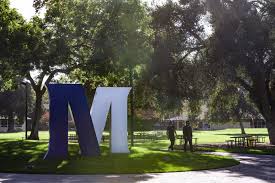
Photo by Menlo College on Unsplash

The Evolving Landscape of University Advancement

In today’s higher education environment, institutions face mounting pressures from declining enrollment, shifting funding landscapes, and the need to demonstrate clear value to students, alumni, and donors. Effective advancement efforts have become essential for sustaining academic excellence, supporting student success initiatives, and driving innovation across campuses. At the heart of these efforts sits a pivotal leadership position responsible for strategic fundraising, relationship building, and long-term institutional growth.

Universities and colleges across the United States increasingly recognize that dedicated leadership in advancement can transform how resources are secured and relationships are nurtured. This role bridges the gap between institutional vision and the philanthropic community, ensuring that colleges remain vibrant centers of learning and research amid economic and demographic changes.

Core Responsibilities of Advancement Leadership

The position encompasses a wide array of strategic and operational duties. Primary among these is designing and executing comprehensive fundraising strategies that include major gifts, planned giving, annual appeals, corporate partnerships, and foundation support. Leaders in this area also oversee alumni and parent relations programs, organizing events that strengthen lifelong connections to the institution.

Additional duties often involve directing communications, marketing, and public relations efforts to enhance institutional visibility. This includes managing print and digital outreach, coordinating high-profile events, and ensuring consistent messaging that resonates with diverse stakeholders. Oversight of compliance for related foundations and grant administration further supports sustainable operations.

By aligning these functions, the role helps institutions cultivate a robust community of advocates and investors who are invested in the long-term success of academic programs, scholarships, and campus facilities.

Essential Qualifications and Experience

Candidates typically hold at least a bachelor’s degree, with advanced degrees preferred for senior roles. A strong track record of eight or more years in nonprofit fundraising is standard, including at least five years in senior leadership positions. Experience in higher education, independent schools, or related nonprofit sectors is highly valued.

Key personal attributes include strategic vision, exceptional interpersonal skills, and the ability to collaborate closely with presidents, boards, and academic leaders. Proven success in building donor pipelines, managing teams, and navigating complex institutional cultures sets top candidates apart. Familiarity with modern tools for donor management and data-driven decision making is increasingly important.

Why This Leadership Matters for U.S. Colleges

Advancement leadership directly influences an institution’s ability to weather financial challenges and pursue ambitious goals. In an era where public funding for higher education faces scrutiny and private support becomes more competitive, skilled professionals help secure the resources needed for scholarships, faculty support, and innovative programs.

Stakeholders including students, faculty, alumni, and community partners all benefit when advancement efforts are led effectively. Successful initiatives can expand access to education, foster research breakthroughs, and strengthen ties between campuses and the broader economy through workforce development partnerships.

Current Trends Shaping Advancement Strategies

Recent analyses highlight several forces reshaping higher education, including artificial intelligence adoption, demographic shifts, and evolving expectations around economic mobility. Leaders must integrate technology to streamline operations while maintaining the human element essential to donor cultivation and alumni engagement.

Workforce development has emerged as a top priority, with institutions aligning advancement efforts to support programs that prepare graduates for in-demand careers. Data literacy and adaptability are now core competencies for advancement teams seeking to maximize impact amid rapid change.

Many colleges are also emphasizing inclusive practices and transparent storytelling to rebuild public trust and attract diverse donor bases.

Related image

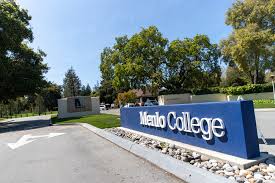
Photo by Menlo College on Unsplash

Challenges and Solutions in the Field

Common hurdles include competition for philanthropic dollars, evolving donor expectations around impact measurement, and the need to adapt to digital transformation. Economic uncertainty can affect giving patterns, requiring flexible strategies that balance short-term needs with long-term campaigns.

Solutions often involve leveraging data analytics for personalized outreach, forming cross-functional teams with academic leaders, and investing in professional development for staff. Building resilient networks through corporate and foundation relations provides additional stability.

Real-World Examples from American Universities

Institutions such as those in the California system and large public universities have demonstrated success through targeted campaigns that combine alumni storytelling with strategic events. Smaller liberal arts colleges have thrived by focusing on niche donor interests in areas like sustainability or career readiness programs.

These examples illustrate how tailored approaches, informed by institutional mission and regional context, yield meaningful results in resource development and community strengthening.

Future Outlook for Advancement Professionals

Looking ahead, the demand for experienced leaders remains steady as institutions adapt to new realities. Projections indicate continued growth in related administrative roles, underscoring the value placed on advancement expertise. Professionals who embrace innovation while upholding ethical standards and relationship-centered approaches will be well positioned for success.

Opportunities abound for those ready to contribute to institutions navigating transformation, particularly in areas like AI integration for donor engagement and collaborative models that support broader societal goals.

Career Pathways and Professional Development

Many enter the field through development roles or alumni affairs before advancing to senior positions. Ongoing education through professional associations, certifications in fundraising, and mentorship programs help build the necessary expertise.

Key skills to cultivate include grant writing, financial acumen, policy understanding, and the ability to foster inclusive environments. Those with experience across multiple sectors bring fresh perspectives that enrich institutional strategies.

Actionable Steps for Aspiring Leaders

Individuals interested in this career path can start by gaining hands-on experience in fundraising or communications at colleges or nonprofits. Networking through industry events and staying informed about higher education trends provides valuable context.

Reviewing current openings and preparing tailored applications that highlight measurable achievements in relationship building and revenue growth can open doors. Continuous learning about emerging tools and best practices ensures readiness for leadership challenges.

Related image

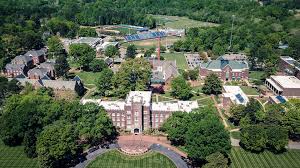
Photo by Menlo College on Unsplash

Exploring Specific Opportunities in the Sector

Current openings, such as the Chief Advancement Officer position at Menlo College in Atherton, California, offer competitive compensation ranging from $185,000 to $235,000 along with the chance to shape advancement at a dynamic institution. Apply here for this role and discover more details about responsibilities and qualifications.

For additional university advancement listings and career resources tailored to higher education professionals, visit the dedicated job board at this specialized page.

Frequently Asked Questions

🎯What does a Chief Advancement Officer do at a university?

A Chief Advancement Officer leads all fundraising, alumni relations, development, communications, and events efforts to secure resources and build lasting stakeholder relationships that support the institution’s mission.

📋What qualifications are needed for Chief Advancement Officer positions?

Typically a bachelor’s degree (advanced degree preferred) plus at least eight years of fundraising experience, including five years in senior leadership, often within higher education or nonprofits.

🎓How does the Chief Advancement Officer support student success?

By securing scholarships, program funding, and resources that enhance academic offerings and accessibility, the role directly contributes to improved outcomes for students and the broader campus community.

📈What trends are influencing advancement work in 2026?

Key influences include AI integration for operations, focus on workforce development, demographic shifts, and strategies to rebuild trust through transparent impact reporting and inclusive engagement.

💼Are there many Chief Advancement Officer jobs available?

Opportunities exist at colleges and universities nationwide, with active postings at institutions like Menlo College and others seeking experienced leaders to drive development efforts.

🚀How can someone prepare for a Chief Advancement Officer role?

Gain progressive experience in development or alumni affairs, pursue relevant certifications, build networks, and develop skills in data analytics, strategic planning, and cross-functional leadership.

💰What salary range is typical for this position?

Compensation often falls between $185,000 and $235,000 or higher depending on institution size, location, and experience, reflecting the strategic importance of the role.

🤖How does AI affect advancement strategies?

AI helps streamline donor research, personalize communications, and optimize campaigns, allowing teams to focus more on relationship building while improving efficiency in routine tasks.

⚖️What challenges do Chief Advancement Officers face?

Challenges include competitive philanthropic environments, measuring impact effectively, adapting to digital shifts, and aligning efforts with evolving institutional priorities amid funding uncertainties.

🔍Where can I find more information on university jobs in advancement?

Specialized academic job platforms list current openings and provide resources for professionals interested in higher education leadership and development careers.