
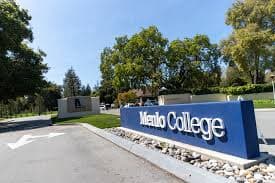
The Evolving Landscape of University Advancement
In today’s higher education environment, institutions face mounting pressures from declining enrollment, shifting funding landscapes, and the need to demonstrate clear value to students, alumni, and donors. Effective advancement efforts have become essential for sustaining academic excellence, supporting student success initiatives, and driving innovation across campuses. At the heart of these efforts sits a pivotal leadership position responsible for strategic fundraising, relationship building, and long-term institutional growth.
Universities and colleges across the United States increasingly recognize that dedicated leadership in advancement can transform how resources are secured and relationships are nurtured. This role bridges the gap between institutional vision and the philanthropic community, ensuring that colleges remain vibrant centers of learning and research amid economic and demographic changes.
Core Responsibilities of Advancement Leadership
The position encompasses a wide array of strategic and operational duties. Primary among these is designing and executing comprehensive fundraising strategies that include major gifts, planned giving, annual appeals, corporate partnerships, and foundation support. Leaders in this area also oversee alumni and parent relations programs, organizing events that strengthen lifelong connections to the institution.
Additional duties often involve directing communications, marketing, and public relations efforts to enhance institutional visibility. This includes managing print and digital outreach, coordinating high-profile events, and ensuring consistent messaging that resonates with diverse stakeholders. Oversight of compliance for related foundations and grant administration further supports sustainable operations.
By aligning these functions, the role helps institutions cultivate a robust community of advocates and investors who are invested in the long-term success of academic programs, scholarships, and campus facilities.
Essential Qualifications and Experience
Candidates typically hold at least a bachelor’s degree, with advanced degrees preferred for senior roles. A strong track record of eight or more years in nonprofit fundraising is standard, including at least five years in senior leadership positions. Experience in higher education, independent schools, or related nonprofit sectors is highly valued.
Key personal attributes include strategic vision, exceptional interpersonal skills, and the ability to collaborate closely with presidents, boards, and academic leaders. Proven success in building donor pipelines, managing teams, and navigating complex institutional cultures sets top candidates apart. Familiarity with modern tools for donor management and data-driven decision making is increasingly important.
Why This Leadership Matters for U.S. Colleges
Advancement leadership directly influences an institution’s ability to weather financial challenges and pursue ambitious goals. In an era where public funding for higher education faces scrutiny and private support becomes more competitive, skilled professionals help secure the resources needed for scholarships, faculty support, and innovative programs.
Stakeholders including students, faculty, alumni, and community partners all benefit when advancement efforts are led effectively. Successful initiatives can expand access to education, foster research breakthroughs, and strengthen ties between campuses and the broader economy through workforce development partnerships.
Current Trends Shaping Advancement Strategies
Recent analyses highlight several forces reshaping higher education, including artificial intelligence adoption, demographic shifts, and evolving expectations around economic mobility. Leaders must integrate technology to streamline operations while maintaining the human element essential to donor cultivation and alumni engagement.
Workforce development has emerged as a top priority, with institutions aligning advancement efforts to support programs that prepare graduates for in-demand careers. Data literacy and adaptability are now core competencies for advancement teams seeking to maximize impact amid rapid change.
Many colleges are also emphasizing inclusive practices and transparent storytelling to rebuild public trust and attract diverse donor bases.
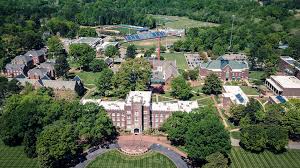
Photo by Menlo College on Unsplash
Challenges and Solutions in the Field
Common hurdles include competition for philanthropic dollars, evolving donor expectations around impact measurement, and the need to adapt to digital transformation. Economic uncertainty can affect giving patterns, requiring flexible strategies that balance short-term needs with long-term campaigns.
Solutions often involve leveraging data analytics for personalized outreach, forming cross-functional teams with academic leaders, and investing in professional development for staff. Building resilient networks through corporate and foundation relations provides additional stability.
Real-World Examples from American Universities
Institutions such as those in the California system and large public universities have demonstrated success through targeted campaigns that combine alumni storytelling with strategic events. Smaller liberal arts colleges have thrived by focusing on niche donor interests in areas like sustainability or career readiness programs.
These examples illustrate how tailored approaches, informed by institutional mission and regional context, yield meaningful results in resource development and community strengthening.
Future Outlook for Advancement Professionals
Looking ahead, the demand for experienced leaders remains steady as institutions adapt to new realities. Projections indicate continued growth in related administrative roles, underscoring the value placed on advancement expertise. Professionals who embrace innovation while upholding ethical standards and relationship-centered approaches will be well positioned for success.
Opportunities abound for those ready to contribute to institutions navigating transformation, particularly in areas like AI integration for donor engagement and collaborative models that support broader societal goals.
Career Pathways and Professional Development
Many enter the field through development roles or alumni affairs before advancing to senior positions. Ongoing education through professional associations, certifications in fundraising, and mentorship programs help build the necessary expertise.
Key skills to cultivate include grant writing, financial acumen, policy understanding, and the ability to foster inclusive environments. Those with experience across multiple sectors bring fresh perspectives that enrich institutional strategies.
Actionable Steps for Aspiring Leaders
Individuals interested in this career path can start by gaining hands-on experience in fundraising or communications at colleges or nonprofits. Networking through industry events and staying informed about higher education trends provides valuable context.
Reviewing current openings and preparing tailored applications that highlight measurable achievements in relationship building and revenue growth can open doors. Continuous learning about emerging tools and best practices ensures readiness for leadership challenges.
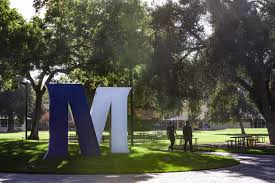
Photo by Menlo College on Unsplash
Exploring Specific Opportunities in the Sector
Current openings, such as the Chief Advancement Officer position at Menlo College in Atherton, California, offer competitive compensation ranging from $185,000 to $235,000 along with the chance to shape advancement at a dynamic institution. Apply here for this role and discover more details about responsibilities and qualifications.
For additional university advancement listings and career resources tailored to higher education professionals, visit the dedicated job board at this specialized page.