
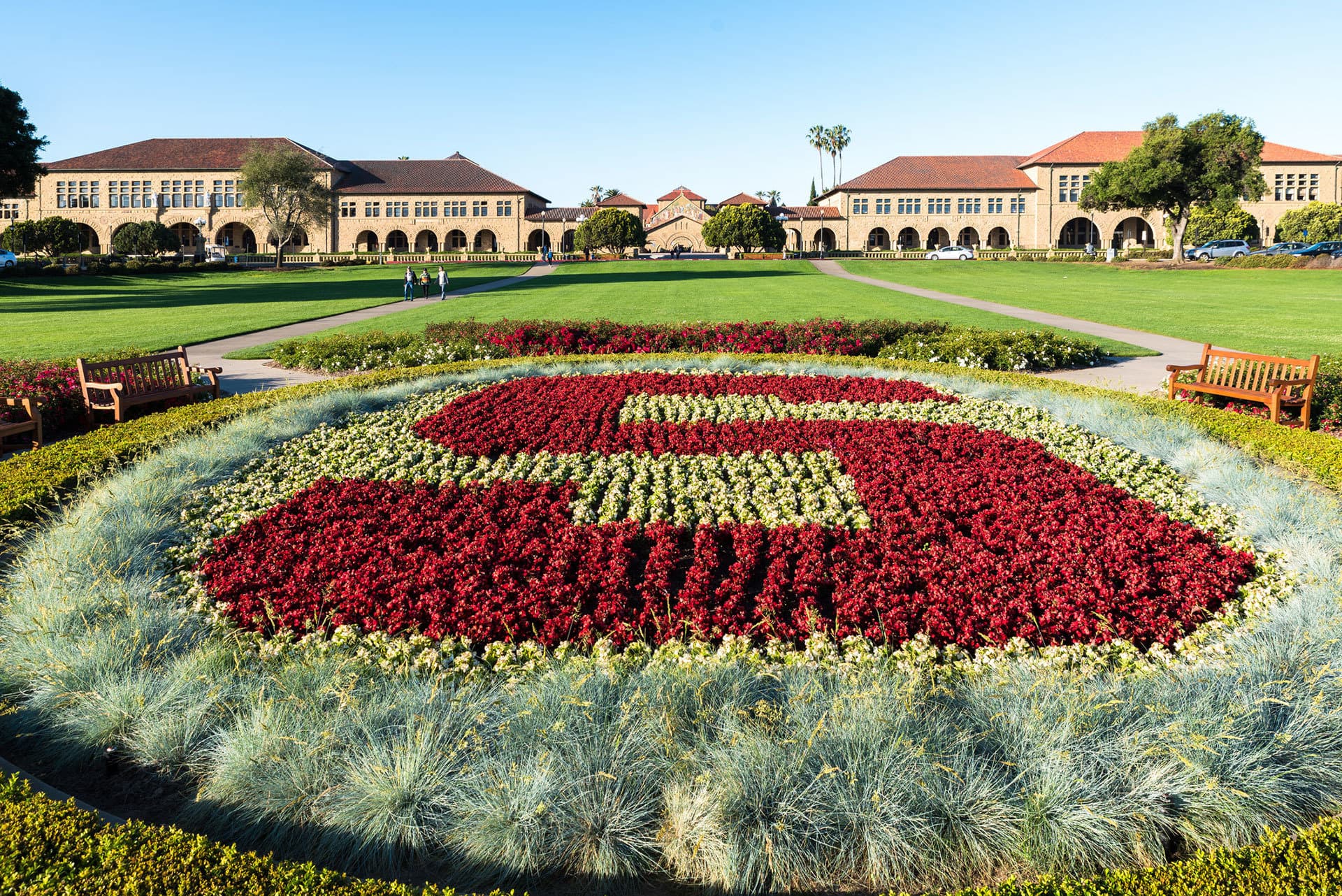
The Evolving Landscape of Medical Resident Education in the United States
Medical resident education stands at a pivotal crossroads in 2026, shaped by rapid advancements in healthcare delivery, technological integration, and shifting workforce dynamics. Residency programs across the country train thousands of physicians each year, preparing them for the complexities of modern medicine. With over 163,000 residents currently in training, the focus has intensified on creating robust, evidence-based curricula that balance clinical excellence with wellness and innovation.
Institutions like Stanford University are at the forefront of this transformation, recognizing that dedicated faculty leaders are essential to driving progress. The demand for experts who can blend teaching excellence with program development has never been higher, particularly in non-tenure line roles focused on education.
Key Challenges in Residency Training Programs
Residency training faces persistent hurdles, including high burnout rates, evolving accreditation standards, and the need to incorporate emerging technologies. Studies highlight that nearly one in three residents experience symptoms of burnout, underscoring the importance of supportive educational environments. Programs must also adapt to shorter duty hours, increased emphasis on competency-based assessments, and the integration of interprofessional collaboration.
Addressing these issues requires visionary educators who can redesign curricula, mentor the next generation, and foster research that informs best practices. The result is a more resilient healthcare workforce capable of meeting patient needs in diverse settings.
Recent Research and Publications Driving Change
Groundbreaking studies in 2025 and 2026 have illuminated pathways for improvement in graduate medical education. Research from organizations like the AAMC emphasizes the growing diversity among residents, with more women and international medical graduates entering the field. Publications explore the role of artificial intelligence in personalized learning and simulation-based training, showing measurable gains in procedural competence and diagnostic accuracy.
Another area of focus involves climate change and health, with calls for residency programs to prepare physicians for environmental health challenges. These publications not only advance knowledge but also highlight opportunities for faculty to contribute original work that shapes national standards.
The Critical Role of Dedicated Education Faculty
Faculty specializing in medical and resident education serve as architects of future physician training. They design innovative didactic sessions, oversee mentorship programs, and lead curricular reforms that align with accreditation requirements. Their work extends beyond the classroom to include administrative leadership, program evaluation, and the cultivation of inclusive learning environments.
In non-tenure line teaching positions, these educators focus intensely on pedagogical excellence without the pressures of traditional research mandates, allowing deeper investment in trainee development and institutional growth.
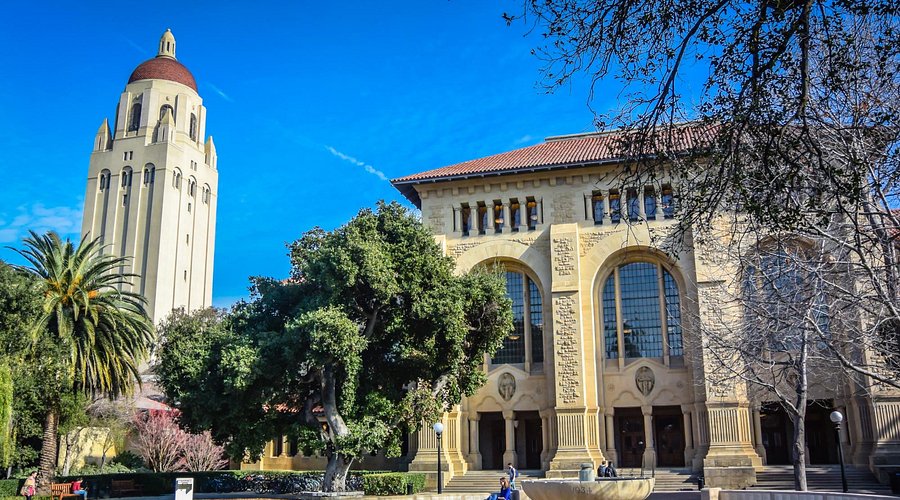
Spotlight on Stanford University’s Opportunity
Stanford University’s Department of Medicine is actively recruiting an Associate Professor or Professor in Medical and Resident Education. This non-tenure line teaching position offers a unique platform to influence one of the nation’s premier academic medical centers. Candidates will contribute to didactic teaching, advising, mentoring, and program building while potentially engaging in clinical activities if qualified.
The role emphasizes curricular innovation and administrative leadership, positioning the successful applicant to shape residency experiences for internal medicine and subspecialty trainees. Located in the heart of Silicon Valley, Stanford provides unparalleled resources for integrating technology into education.
Qualifications and Expectations for Ideal Candidates
Applicants must hold an MD, PhD, or MD/PhD, with a proven track record of teaching excellence. Board certification in internal medicine or a subspecialty is preferred for those pursuing clinical components, along with eligibility for a California medical license. The ideal candidate demonstrates expertise in pedagogical contributions, including mentoring, program development, and innovative curriculum design.
Stanford values candidates who bring diverse perspectives to enhance the university’s teaching and clinical missions. This position represents a chance to lead at the associate or full professor level in a collaborative, forward-thinking environment.
Impact on Medical Training and Broader Healthcare
Faculty in these roles directly influence patient outcomes by elevating the quality of resident preparation. Enhanced training programs lead to better diagnostic skills, improved communication, and stronger leadership among new physicians. At institutions like Stanford, such positions also support research that feeds back into national medical education policies.
The ripple effects extend to workforce retention, reduced burnout, and greater equity in healthcare delivery, particularly as programs adapt to serve increasingly diverse patient populations.
Broader Implications for US Higher Education in Medicine
This hiring initiative reflects larger trends in American higher education, where universities prioritize specialized teaching faculty to meet accreditation demands and student expectations. Non-tenure line roles allow focused investment in education without diluting clinical or research commitments elsewhere.
Stanford’s approach serves as a model for other institutions seeking to strengthen their graduate medical education offerings amid competitive talent markets and evolving healthcare landscapes.

How to Apply and Next Steps
Applications for the position are being reviewed beginning in mid-July 2026 and will remain open until September 30, 2026. Interested candidates should prepare materials highlighting their teaching achievements, leadership experience, and vision for resident education. The application portal provides detailed instructions on required documents and submission processes.
Prospective applicants are encouraged to reach out with questions to the designated contact for personalized guidance. This is an exceptional opportunity to join a world-class team dedicated to excellence in medical training.
Future Outlook for Medical Education Leadership
As healthcare continues to evolve with AI, precision medicine, and global health considerations, the need for expert educators will only grow. Positions like the one at Stanford signal a commitment to investing in the human capital that sustains high-quality residency programs.
Leaders in this space will play pivotal roles in reimagining training models, ensuring graduates are prepared for the challenges of tomorrow’s medicine while advancing equity and innovation across the field.