
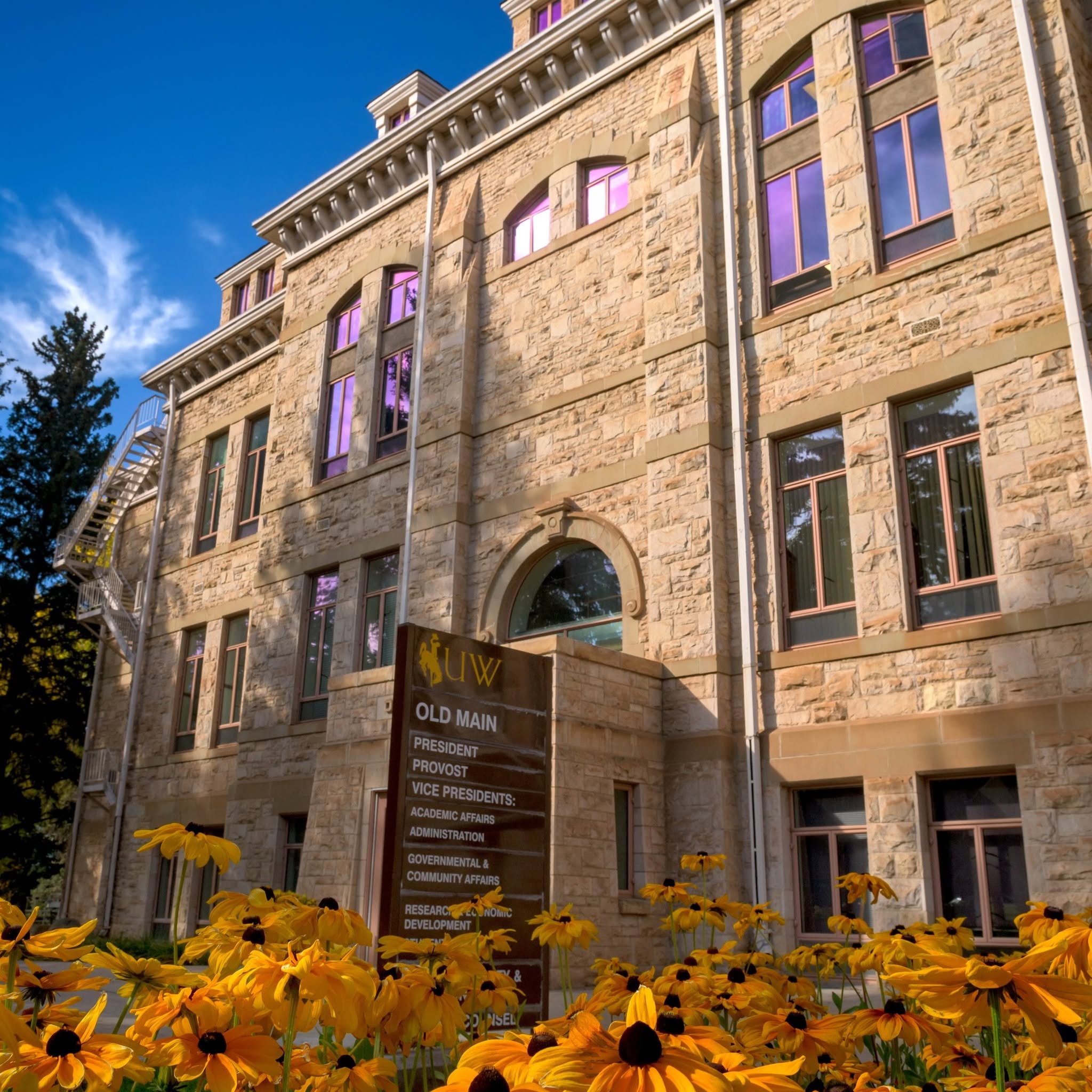
The Merkle Research Group at the University of Wyoming has posted an opening for a Research Scientist, Associate. The role centers on quantitative wildlife ecology, with a focus on movement data, conservation tools, and support for state and federal partners.
Jerod Merkle leads the group, which develops R packages and geospatial methods to turn GPS collar records and remote sensing layers into decisions managers can use. The new position splits time as 75 percent research and 25 percent service, including workshop coordination that helps agencies apply those tools.
Position basics and compensation range
Salary sits between $60,000 and $85,000 depending on experience and qualifications. The package includes standard university benefits. Start date remains flexible, with a preference for fall 2026 but room for negotiation. The appointment is based in Laramie, though some duties can shift to hybrid arrangements once core projects are underway.
Base rates for similar associate-level roles in wildlife ecology at land-grant universities run from roughly $55,000 on the low end to $90,000 when specialized quantitative skills or agency experience enter the picture. This posting lands squarely in the middle of that band.
What the work actually looks like day to day
Day-to-day tasks include cleaning and analyzing movement datasets, building or refining decision-support scripts, co-authoring manuscripts with agency collaborators, and running training sessions that walk managers through new R functions or GIS workflows. Service duties center on organizing those workshops rather than heavy teaching loads.
One researcher who joined a comparable quantitative ecology group three years ago described the first six months as a steady cycle of data wrangling followed by quick feedback loops with field biologists. The honest part: early code often broke when new collar formats arrived, and fixing the import scripts took longer than the analysis itself. That pattern repeats across labs that handle real-time telemetry feeds.
Skills the group seeks
A master’s degree in ecology, biology, or a closely related quantitative field forms the minimum. Strong applicants show documented work with GPS collar data, spatial analysis in GIS platforms, and either R or Python scripting. Experience writing peer-reviewed papers and working directly with wildlife agencies counts heavily because the group’s output feeds management plans rather than staying in academic journals alone.
Desired extras include prior exposure to disease ecology questions, especially chronic wasting disease in ungulates, and comfort presenting results to mixed audiences of scientists and practitioners. The group already maintains open tools such as wildlifemovetools, so familiarity with version control and package development helps new hires contribute quickly.
Field context for these roles
Wildlife agencies continue to expand use of movement data for corridor planning and disease response. Groups that maintain both the analytical capacity and the translation skills to partners stay busy. The Merkle lab’s recent work on how housing density affects big-game movement provides one concrete example of the applied questions that surface regularly.
Most labs of this size post one or two associate or postdoc positions every 18 to 24 months. The exception occurs when grant cycles align with retirements or expansions; then multiple openings appear within a single year. This posting follows the more common rhythm.
What this means for your lab
If you run a research group that generates movement or spatial datasets, the practical takeaway is straightforward: hire for the translation step early rather than assuming existing staff will absorb it. One shared folder structure and one README template per project still prevent the three-week data rescue stories that surface whenever a postdoc or technician departs. Start enforcing that habit on the next dataset you collect, not the archive that already feels overwhelming.
If you are the candidate, treat the application as a demonstration of those same habits. A clean CV that highlights specific scripts or packages you maintained, paired with a cover letter that names one or two agency partners you have worked with, moves the file to the top of the stack faster than generic statements about interest in ecology.
Applications route through the University of Wyoming’s online portal. Materials include a cover letter, current CV or résumé, and contact details for four professional references. Review the full description and submit before the review period closes.













Discussion
Be the first to comment on this article!
You’ll be asked to sign in before your comment is posted.