Most people chasing a professor or associate professor job in media and communication at Taylor's University will send a CV and wait. You're reading the full listing and the official application route, which already puts you ahead of half the field. The way to win this one is to treat it like a short project: know the institution, know the school, know the courses you could cover, and make the committee's job easy.
The role sits in the School of Media and Communication at Taylor's University in Subang Jaya, Selangor, Malaysia. That matters because the school isn't a general humanities department with a media course bolted on. It runs specialised programmes in areas such as advertising, broadcasting, digital media production, journalism, public relations, and communication studies. If you've spent your career in one of those fields, the committee wants to see that you can slot into their curriculum and strengthen it, not just carry out your own research in a silo.
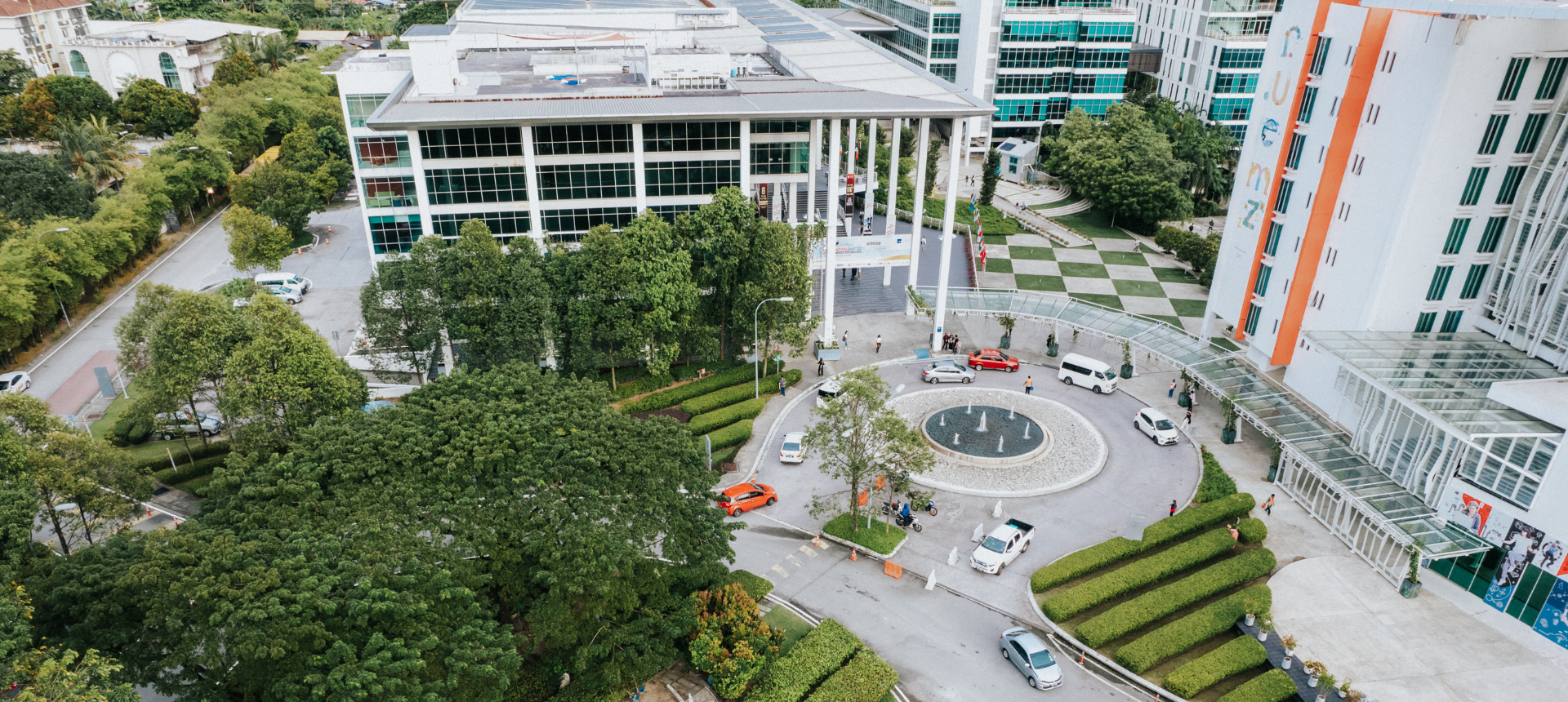
Taylor's University is a private institution with strong international ambitions. The campus sits in the Klang Valley, close enough to Kuala Lumpur for industry partnerships but far enough out for a contained campus experience. Private universities in Malaysia often move faster on hiring than public universities, but they also expect faculty to contribute across teaching, research, postgraduate supervision, and industry-facing projects. You need to show you can do all four, because the job ad says professor or associate professor, not lecturer.
What the Job Posting Actually Tells You
The listing is deliberately brief: Professor / Associate Professor in Media and Communication, with applications routed through Taylor's University's official careers portal. There is no salary band in the ad, and that's not unusual for senior academic posts in Malaysia. Pay is usually negotiated based on rank, publication record, international experience, and whether the university is relocating you from overseas.
The slash between professor and associate professor is the most important detail. It means the selection committee is open to two levels of seniority. A full professor candidate will be expected to show a substantial publication record, a history of postgraduate supervision, external research funding, and enough standing to lead research clusters. An associate professor candidate will need a strong upward trajectory: solid publications, teaching evaluations, some supervision experience, and a clear research plan for the next five years. If you sit between those two, apply and let the committee place you.
The application page itself likely asks for a curriculum vitae, cover letter, teaching statement, research statement, and referee details. Don't wait for the portal to prompt you. Prepare every document as a PDF with your name in the filename. Committees in media and communication see hundreds of applications for senior posts, and poorly labelled files waste their time.
Before You Apply, Fix Your Academic CV
Your CV is not a list of everything you've ever done. For a senior role in media and communication, the first page needs to answer four questions: what you teach, what you research, who you've supervised, and how your work connects to industry. If a committee member can't answer those after ninety seconds, your file goes into the maybe pile.
Do these five things before you submit:
- Match your research statement to the school's existing strengths. Look up the School of Media and Communication staff profiles and current research themes, then name two areas where your work extends them.
- List the specific courses you can teach. Saying "media studies" is weak. Saying "digital journalism production, media ethics, audience analytics, and public relations writing" tells the committee exactly how to schedule you in the first semester.
- Quantify supervision outcomes. If you've supervised master's or doctoral students, say how many completed, what their topics were, and whether they published or presented their work.
- Translate industry experience into classroom value. If you spent time in broadcasting, advertising, corporate communication, or public relations, describe one module, studio, or workshop you would build around that experience.
- Put your research outputs where they are easy to find. Use a stable link to your Google Scholar profile or ORCID, and ensure your three best publications are available as PDFs.
Keep the document under eighteen pages. Senior search committees in media and communication often see CVs that run to forty pages, and most of that length is padding. Use the extra space to make your research and teaching sections clearer, not to list conference attendance from a decade ago.
If your current CV still reads like a chronological list of job titles, rewrite it before you touch the application portal. The committee isn't looking for a longer document; it's looking for a clearer signal.
What the Hiring Committee Won't Tell You
Senior academic hiring in Malaysia's private universities can move quickly once a shortlist exists, but the pre-shortlist stage can take weeks. University approval processes, budget sign-offs, and cross-campus committees all leave fingerprints on the timeline. You can ask the contact person for the expected interview dates when you submit, but don't treat a slow response as a rejection.
Strong candidates do not wait four months for a committee to reconvene, so if you have an industry offer or another academic offer, say so politely. It won't make you seem difficult. It tells the university you're in demand, and it gives the search committee a reason to speed up its internal approvals. Universities that move fast on senior candidates tend to get better final pools.
One habit that wastes candidates' time is submitting the same application to every vacancy. The School of Media and Communication at Taylor's University is specific: it wants someone who can work across research, teaching, regional industry ties, and postgraduate supervision. A generic cover letter that says "I am passionate about media" tells the committee you didn't read their school page. Name the programmes, name the research clusters, explain why Malaysia makes sense for your next five years, and mention one regional partner you want to work with.
Check the Official Pages Before You Submit
The job board listing points to the official application page, but you should read both. The full listing on AcademicJobs.com gives the direct link to the university portal. The official Taylor's University careers page may list additional requirements, closing dates, and documents that a shortened job board version leaves out.
Spend thirty minutes on the Taylor's University website. Look at the School of Media and Communication's current teaching staff, research news, and programme pages. If you can cite one recent initiative from the school in your cover letter, you'll stand out from every candidate who copied a template.
Before you finalize your CV, review how to build an academic CV that selection panels actually read. A clear CV and cover letter take time, but they are the difference between a shortlist and a quiet rejection.
If You're Applying from Outside Malaysia
Many senior media and communication appointments in Malaysian private universities go to international candidates. If you don't already have the right to work in Malaysia, the university will typically sponsor an employment pass for a full-time academic position. Start early: ask about visa processing time, dependant passes for a spouse or children, housing allowance, and annual flights home.
Private universities in Malaysia often structure senior academic packages differently from public institutions. Some include a base salary, a housing allowance, a performance-linked research incentive, and sometimes a completion bonus. Some negotiate a higher salary in place of housing. Get the details in writing before you accept, especially if you're moving across continents. A verbal promise about a research stipend is not a contract.
Ask about the expected teaching load before you sign. Some private universities in Malaysia expect more contact hours than a research-intensive public university in Australia or the UK. A lower title might come with a heavier teaching block; a full professor post might include programme leadership. Get the allocation in writing, along with any service expectations such as committee work, accreditation reporting, industry advisory boards, or external examining.
Also consider the practical side. The campus is in Subang Jaya, which has direct transport links to Kuala Lumpur and its international airport. If you're weighing this role against a job in Europe or North America, factor in the lower cost of living, the regional research networks, the industry partnerships you can build in Southeast Asia, and the region's media growth. For media and communication scholars, Southeast Asia offers a fast-changing media environment that many Western universities don't reach.
How to Apply Without Wasting Your Time
Here is a practical sequence that works for a senior academic post:
- Download the full job details from the university portal and save them as a PDF.
- Create a one-page summary of your teaching areas, research themes, supervision record, and industry connections, then attach it to the front of your CV if the portal allows additional documents.
- Write a cover letter that names the school, the courses you can teach, and one research project you would develop at Taylor's University.
- Gather three representative publications as clean PDFs, not links that might expire.
- Contact two referees now and tell them which role you're applying for, so they know to expect a request from the university.
After you submit, set a calendar reminder for two weeks. If the portal or contact person hasn't acknowledged your application, send a short follow-up with your name, the role title, the date you applied, and one line about your fit. That single message often moves a file from the pile to the screen.
This week, email the head of the School of Media and Communication or the contact person listed in the application with one specific question about the role's research expectations. Do it before you submit. A candidate who asks a sharp, relevant question is easier to remember than one who only sends documents.